
Key Highlights
- Pope Francis invokes Our Lady of Africa for migrants caught in crisis.
- The migration flow between Spain and Morocco highlights humanitarian issues.
- Local communities play a crucial role in supporting migrants.
Pope Francis has recently turned his attention to the plight of migrants caught in the complex dynamics between Spain and Morocco, invoking the intercession of Our Lady of Africa. This spiritual appeal underscores the deep human suffering associated with the ongoing migration crisis, reminding the world that behind every statistic lies an individual seeking safety and dignity. The Pope's call for prayer is not just a religious gesture; it is a moral imperative aimed at fostering compassion and understanding in a time of crisis.
The relationship between Spain and Morocco is historically rich yet fraught with tension, particularly regarding migration flows. The Strait of Gibraltar and the enclaves of Ceuta and Melilla serve as critical entry points for thousands fleeing instability, poverty, or conflict in North and Sub-Saharan Africa. These perilous journeys often involve makeshift boats or dangerous swims across fortified borders, leading to frequent tragedies that shock the conscience of the international community.
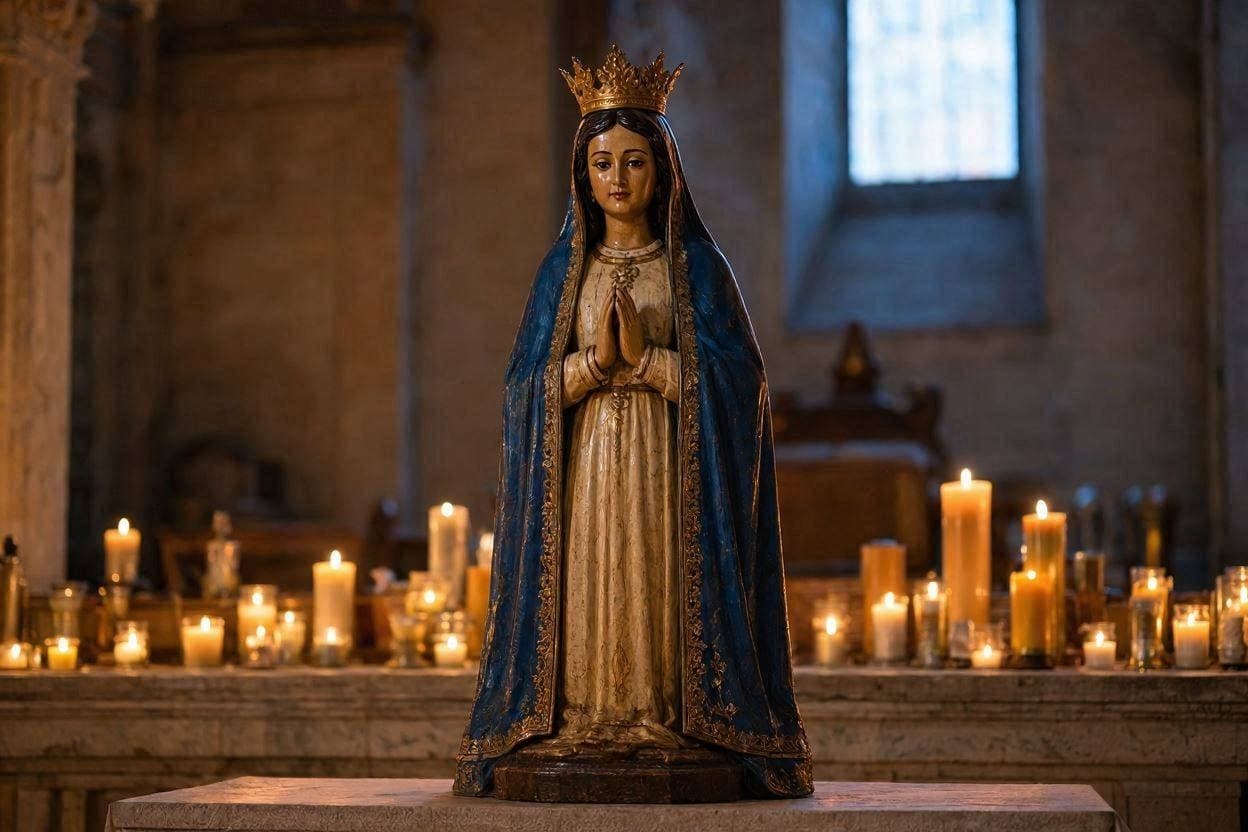
By invoking Our Lady of Africa, Pope Francis emphasizes the shared humanity of those on the move. This title refers to a specific devotion to the Virgin Mary that resonates across the African continent, symbolizing protection and hope. The Pope's invocation serves as a bridge between cultures, acknowledging the faith traditions of many migrants while appealing to the Christian heritage of Europe. It is a gesture of solidarity that seeks to soften the harsh realities of border enforcement with compassion.
The migration crisis is multifaceted, involving diplomatic negotiations, security concerns, and humanitarian obligations. Spain and Morocco have experienced fluctuations in their cooperation, with migration sometimes leveraged in broader political disputes. When tensions rise, border controls may tighten or loosen unpredictably, leaving migrants in limbo. The Pope’s call for prayer subtly nudges leaders toward stability and humane treatment, urging them to prioritize the well-being of vulnerable individuals over political expediency.
For the Catholic Church, migration is a central theme of its social teaching. Pope Francis has consistently advocated for policies that welcome, protect, promote, and integrate migrants. His reference to Our Lady of Africa reinforces this stance, framing the issue not as a security threat but as a test of moral character. It invites believers and non-believers alike to consider the ethical dimensions of how societies respond to those in need.
Local communities in both Spain and Morocco often find themselves on the front lines of this crisis. Volunteers, religious organizations, and civil society groups work tirelessly to provide food, shelter, and medical care to arrivals. Their efforts are fueled by a sense of duty and empathy, reflecting the values the Pope champions. However, they frequently operate with limited resources, highlighting the need for broader systemic support and international cooperation.
The invocation of Our Lady of Africa also serves as a reminder of the spiritual roots of the region. Christianity and Islam have coexisted in North Africa and Southern Europe for centuries, shaping a shared cultural landscape. In times of crisis, these shared histories can offer a foundation for dialogue and mutual respect. Prayer becomes a space where differences are set aside in favor of common human concerns.
Pope Francis’s appeal to Our Lady of Africa is a gentle yet powerful call for compassion in the face of a persistent humanitarian challenge. It reminds us that while politics may divide, our shared humanity and spiritual hopes can unite us in the pursuit of justice and mercy for all migrants.
Published by Banx Network. This article is part of the Banx decentralized media programme, powered by the BXE token on the XRP Ledger.



