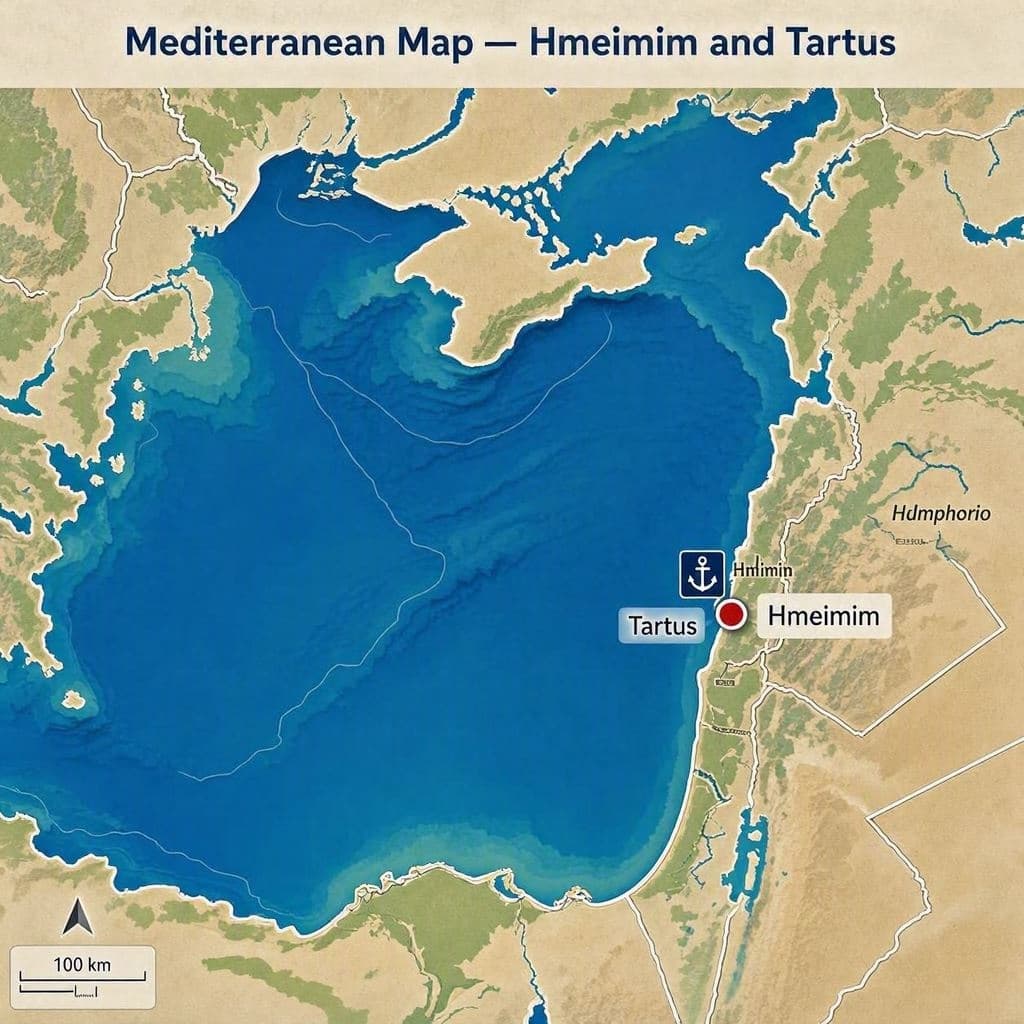
In the complex theater of Middle Eastern politics, alliances are often forged in fire and tempered by necessity. Recently, Syria and Russia reached a new accord regarding the future of Moscow’s military presence in the country. This agreement, which reorganizes the use of key bases like Hmeimim Airbase and Tartus Port, reflects a mutual dependence that has evolved over years of conflict. It invites reflection on the pragmatic nature of international relations, where strategic interests often outweigh ideological differences. The handshake between Damascus and Moscow is a symbol of survival and adaptation.
Under the new terms, Syria will take greater control over civilian facilities at the Hmeimim airbase and the commercial section of Tartus port. While Russia retains its military footprint, the arrangement acknowledges Syrian sovereignty and administrative authority. This shift is significant for the new Syrian government, which seeks to assert independence while maintaining crucial support. For Russia, it ensures continued access to strategic Mediterranean locations without the burden of full administrative responsibility.
The phrase "they need each other" captures the essence of this partnership. Syria relies on Russian military and economic backing to stabilize its post-conflict society. Russia, in turn, values its geopolitical influence in the region and the strategic advantage provided by its bases. This interdependence has survived political changes and international pressure, demonstrating its resilience. It is a relationship built on shared interests rather than shared values.
For the international community, the accord raises questions about the future of regional stability. Some view it as a step toward normalization, while others worry it may legitimize authoritarian practices. The balance of power in the Middle East is delicate, and any shift can have wide-ranging effects. Diplomats are watching closely, assessing how this agreement might influence other conflicts and alliances.
Economically, the deal includes provisions for cooperation in energy and infrastructure. Russia has supported Syria’s economy through various means, including currency printing contracts. This financial lifeline helps Damascus manage its recovery efforts. In return, Syria offers Russia access to resources and markets. This economic dimension adds depth to the political alliance.
As the accord is implemented, challenges will arise. Balancing national sovereignty with foreign military presence is never easy. Domestic opinion in Syria is divided, with some welcoming stability and others fearing continued foreign influence. The government must navigate these sentiments carefully to maintain internal cohesion.
The new accord between Syria and Russia redefines their military and economic partnership, reflecting a mutual need for stability and influence. As both nations move forward, the focus remains on implementing the agreement while addressing domestic and international concerns. The hope is for a stable and sovereign Syria.
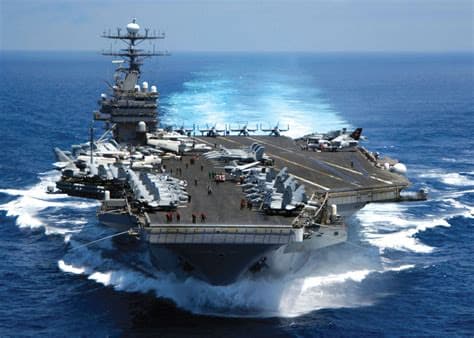
AI Image Disclaimer: The images provided are AI-generated to visually represent the diplomatic and geopolitical aspects of the story.
Sources: Al Jazeera France 24 CNN
Published by Banx Network. This article is part of the Banx decentralized media programme, powered by the BXE token on the XRP Ledger.


.jpg&w=3840&q=75 "EU Gambling Levy Omitted From Irish MFF Budget Draft, but Remains Under Discussion")