

Key Highlights
- Earthquake Magnitude:A powerful 7.8 magnitude earthquake struck the Philippines, causing widespread concern.
- Emergency Response:Local authorities initiated evacuations and safety inspections across affected regions.
- Community Resilience:Residents and organizations collaborated to address immediate needs and ensure safety.
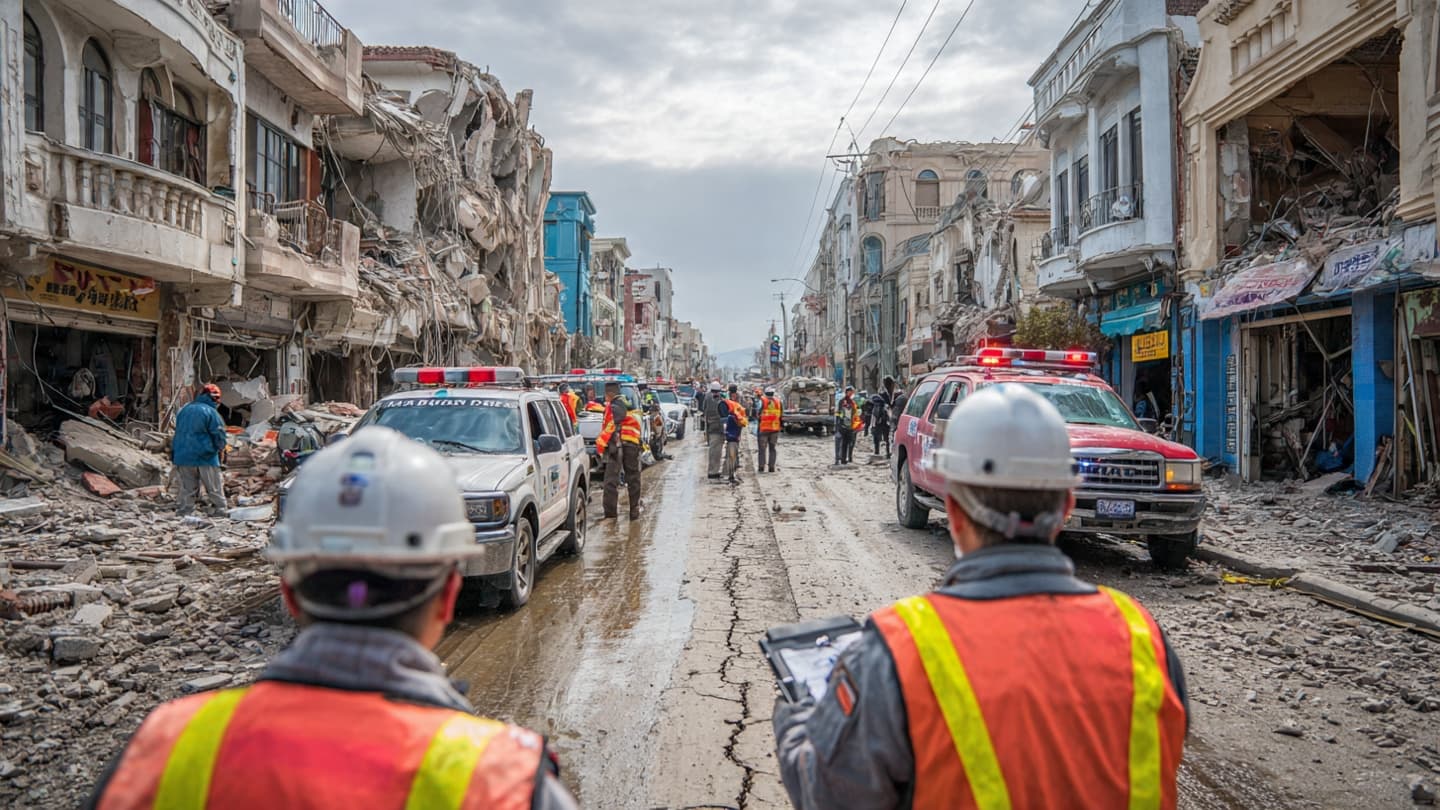
A powerful magnitude 7.8 earthquake struck the Philippines, reminding the world of nature's formidable strength. The earthquake, which occurred on [insert date], was felt across various regions, prompting immediate action from emergency authorities and international observers. Evacuations were ordered in vulnerable areas, and temporary closures of public facilities were implemented as officials assessed the damage.
The Philippines is situated within the Pacific Ring of Fire, a region known for its high seismic activity. This geographic reality means that earthquakes and volcanic eruptions are common occurrences for the millions of residents living in the archipelago. Following the earthquake, local authorities urged residents to remain vigilant, particularly in areas prone to aftershocks. Emergency management agencies worked closely with regional governments to disseminate information and monitor conditions.
In the aftermath of the earthquake, safety inspections of infrastructure, public facilities, and transportation networks became a priority. Officials aimed to determine the extent of the impact and ensure that essential services could continue. The event highlighted the importance of preparedness measures that have been developed over the years, including emergency drills, building regulations, and public awareness campaigns.
Scientists are continuously studying seismic activity to enhance forecasting models and risk assessments. While precise earthquake prediction remains elusive, advancements in monitoring technology have improved early-warning systems and emergency response planning. These developments are crucial for minimizing the impact of future seismic events.
As residents began to share their experiences, stories of cooperation and support emerged. Community organizations, volunteers, and local officials collaborated to address immediate needs, ensuring that public safety remained the highest priority. The solidarity displayed by communities during such crises underscores the resilience that often surfaces in the face of natural disasters.
International agencies and neighboring countries closely monitored the situation, recognizing that large earthquakes can have far-reaching effects on regional transportation, humanitarian planning, and disaster-response coordination. As assessments continue and recovery efforts progress, authorities remain focused on restoring normalcy while acknowledging the challenges posed by natural hazards.
The recent earthquake serves as a stark reminder of the power of nature and the importance of community preparedness and resilience in the face of adversity.
Published by Banx Network. This article is part of the Banx decentralized media programme, powered by the BXE token on the XRP Ledger.




