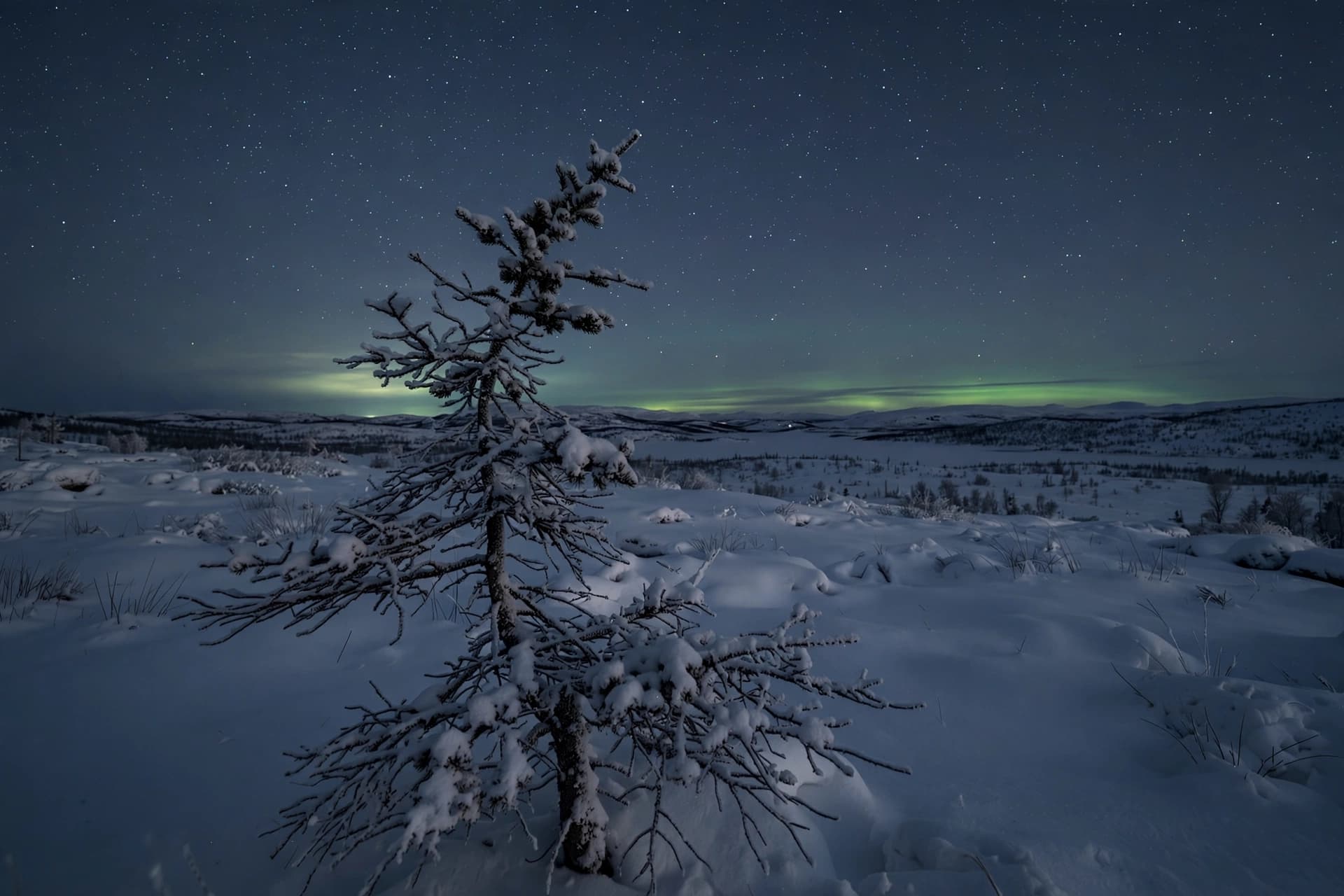
The Arctic has long been seen as one of Earth’s quietest and coldest regions, a place where ice and ocean meet in slow, steady balance. Yet recent scientific observations show that this balance is shifting more quickly than in many other parts of the planet.
Climate monitoring data indicates that the Arctic is warming at a rate more than three times faster than the global average. This phenomenon, often referred to as Arctic amplification, is driven by feedback loops involving ice loss and heat absorption.
As sea ice melts, darker ocean surfaces are exposed, absorbing more sunlight and accelerating warming. This process reinforces itself over time, creating a cycle that strengthens regional temperature increases.
Researchers tracking these changes use satellite data, ocean measurements, and long-term climate models to understand how quickly conditions are evolving. The findings consistently show a strong upward trend in regional warming.
The consequences of this shift extend beyond the Arctic itself. Changes in ice cover influence global weather patterns, including jet stream behavior, storm tracks, and seasonal temperature variability.
Communities in northern regions are already experiencing changes in traditional ice stability, which affects transportation, ecosystems, and local livelihoods. These impacts are closely monitored by climate researchers and regional authorities.
While the Arctic remains vast and remote, its transformation is increasingly connected to global climate systems in measurable ways.
The rapid warming of the Arctic highlights how polar regions are responding strongly to global temperature increases, with effects that extend far beyond the region itself.
AI Image Disclaimer: Images in this article are AI-generated and used for illustrative purposes only.
Sources (verification check): NASA Climate, NOAA, Reuters, World Meteorological Organization
Published by Banx Network. This article is part of the Banx decentralized media programme, powered by the BXE token on the XRP Ledger.