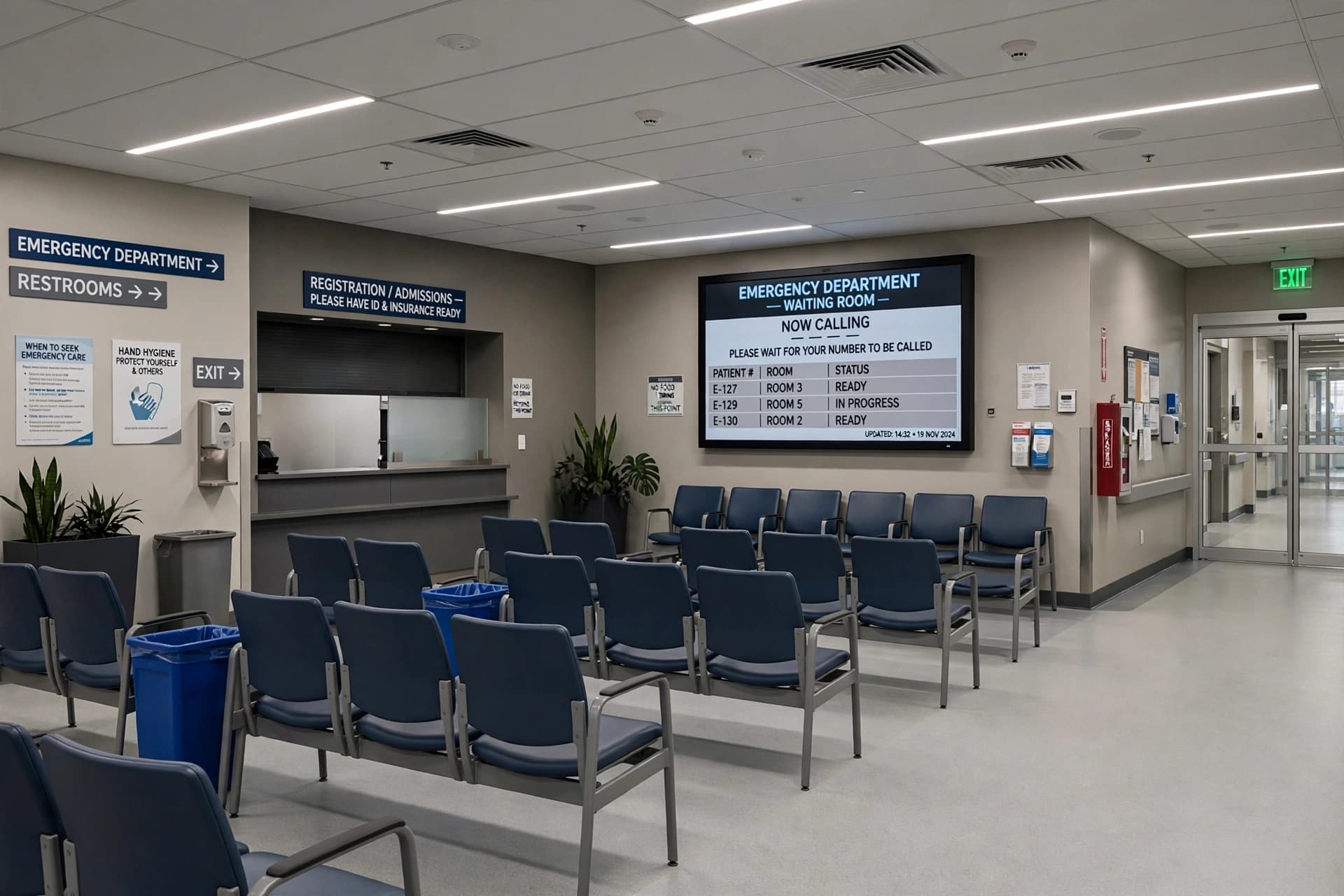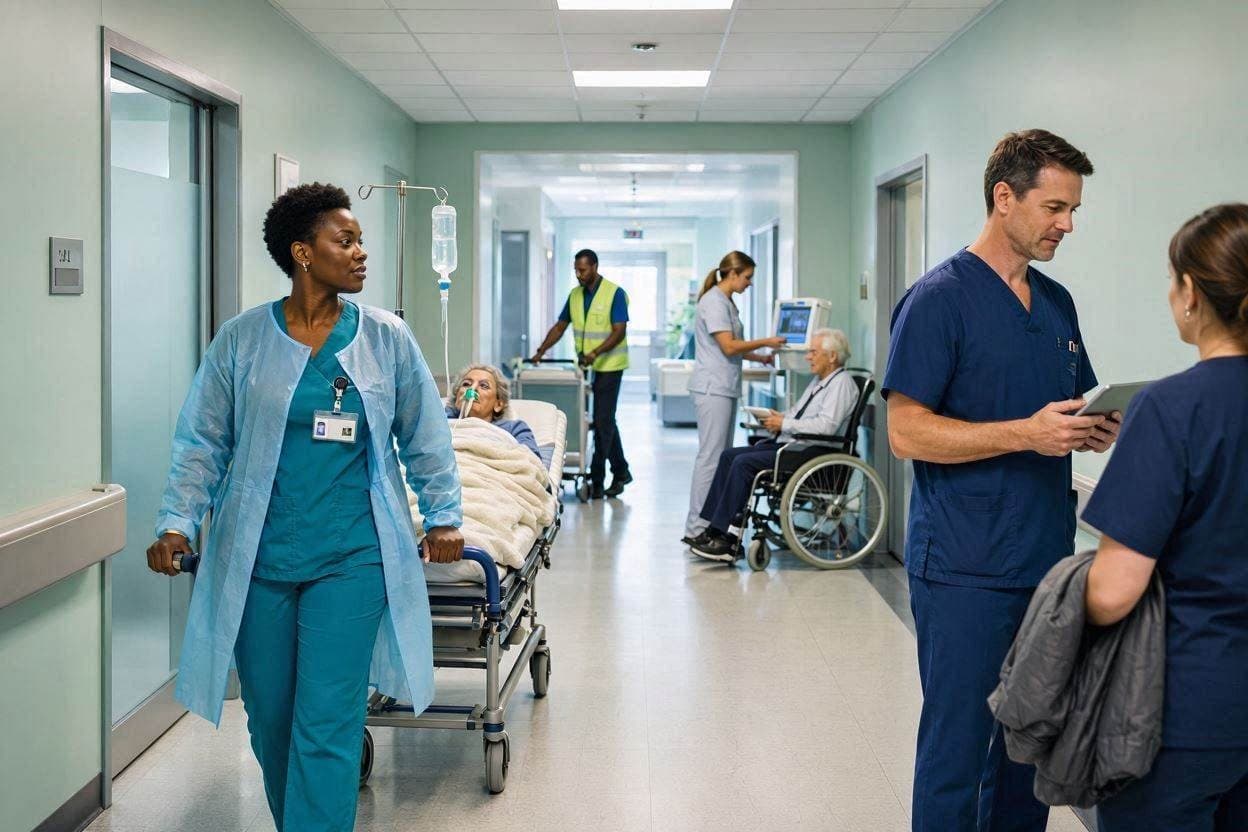
In the bustling heart of New South Wales, where the rhythm of daily life is often punctuated by the urgent sirens of emergency vehicles, a plea for patience has emerged from the highest levels of government. The Premier of NSW has issued a heartfelt request to the public, urging residents to avoid crowded hospital emergency departments unless their condition is truly life-threatening. This appeal is not merely an administrative directive but a reflection of a healthcare system under immense pressure, struggling to balance the immediate needs of the critically ill with the growing demand for routine care. It is a moment that invites us to consider our collective responsibility in maintaining the resilience of our public health infrastructure.
The healthcare system in NSW, like many around the world, is facing unprecedented challenges. Staff shortages, increased patient volumes, and complex medical cases have stretched resources to their limits. Emergency departments, designed for acute and life-saving interventions, are increasingly becoming the first point of contact for non-urgent conditions. This shift has led to longer wait times for those in critical need, creating a bottleneck that affects the entire hospital ecosystem. The Premier’s message is a call to redirect this flow, encouraging the use of alternative care pathways such as general practitioners, urgent care clinics, and telehealth services.
For many residents, the decision to visit an emergency department is driven by anxiety and a lack of accessible alternatives. When primary care appointments are difficult to secure or when after-hours support is limited, the hospital becomes a default option. The government acknowledges this reality and is working to expand community health services, ensuring that people have viable options outside of the emergency room. However, changing long-standing habits requires time, education, and trust in the broader healthcare network.
The impact of overcrowding extends beyond wait times. It affects the well-being of healthcare workers, who face burnout and moral distress when unable to provide timely care to all patients. Nurses and doctors are dedicated professionals who strive to deliver the best possible outcomes, but they are human, and their capacity is finite. By reserving emergency services for genuine crises, the public can help alleviate some of this burden, allowing staff to focus on those whose lives hang in the balance.
Community engagement plays a crucial role in this transition. Public awareness campaigns are highlighting the signs of serious medical emergencies, helping individuals distinguish between urgent and non-urgent conditions. Education empowers people to make informed decisions, reducing unnecessary visits and ensuring that emergency resources are available for those who need them most. It is a shared effort, requiring cooperation between the government, healthcare providers, and the community.
The economic implications are also significant. Emergency care is expensive, and using it for minor ailments places a financial strain on the public health budget. Redirecting these cases to more appropriate settings can free up funds for other essential services, such as mental health support, aged care, and preventive medicine. This strategic allocation of resources is vital for the long-term sustainability of the healthcare system.
Despite the challenges, there is a sense of solidarity among NSW residents. Many understand the gravity of the situation and are willing to adapt their behaviors to support the system. Stories of patience and kindness in waiting rooms reflect a community that cares deeply about its neighbors and the institutions that serve them. This spirit of cooperation is a powerful asset in navigating difficult times.
As the NSW Premier’s request resonates across the state, it serves as a reminder of the interconnectedness of our health and well-being. By choosing wisely where to seek care, we contribute to a stronger, more responsive healthcare system. In times of pressure, our collective actions can make a profound difference, ensuring that help is always there when it is needed most.
AI Image Disclaimer: The visuals accompanying this article are AI-generated illustrations designed to represent the themes of public health awareness and community support.
Sources: ABC News, The Sydney Morning Herald, NSW Health, The Guardian Australia
Published by Banx Network. This article is part of the Banx decentralized media programme, powered by the BXE token on the XRP Ledger.