There are times when global conferences feel less like negotiations and more like mirrors—reflecting back the world’s fractures, its anxieties, and its unfinished conversations. This year’s climate talks had precisely that atmosphere. Delegates from nearly 200 nations arrived with sober determination and left with modest progress, a handful of guarded commitments, and an unmistakable reminder that the toughest decisions still lie untouched. The absence of the United States only amplified the sense of imbalance.
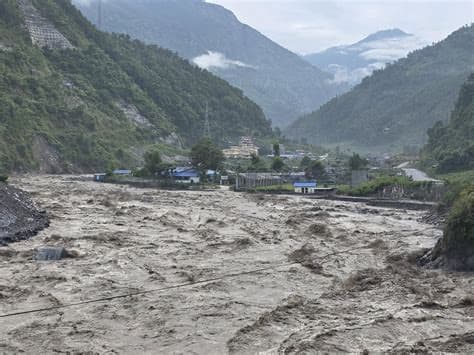
The gathering opened under a heavy sky of expectation. Around the world, extreme weather has grown more disruptive, and communities already living at the edge feel the rising weight of climate uncertainty. Against that backdrop, the talks carried a quiet urgency, a recognition that time is running ahead while diplomacy continues at a slower, more cautious rhythm.
Inside the halls, delegates worked to bridge differences shaped by geography, development, and economic constraints. Some countries pushed for actionable timelines on emissions, others fought for adaptation support, and many simply tried to ensure their needs were not drowned out by the louder voices. By the closing session, there was enough progress to suggest that cooperation is still possible—technical frameworks refined, funding pathways tentatively mapped, and shared language offered where disagreement had once taken root.
But the hard edges of the debate remained. The most critical questions—how quickly nations should transition away from fossil fuels, who should bear the weight of financing, and how to enforce accountability—were nudged forward rather than confronted. These were the decisions that everyone recognized as essential, yet few were ready to settle.
The absence of the U.S., a key player in global climate policy, cast a subtle shadow. Without its presence, discussions lacked one of the principal forces that often accelerates or reshapes the negotiation landscape. Some delegations saw the gap as an opportunity for new alliances; others felt the missing influence left certain proposals without the momentum they needed. Either way, the empty seat served as a quiet reminder of how delicate the architecture of climate diplomacy can be.
Despite the impasse on the most consequential choices, there was a sense that the meeting accomplished something important: it revealed the contours of global climate sentiment as it stands now—fractured, uneven, but not entirely broken. Even a divided world can produce slivers of consensus, though never as quickly or decisively as the moment demands.
When the final statements were read and the delegates dispersed, the mood was neither triumphant nor bleak. It was reflective, aware of the distance still to travel. The world had gathered, spoken, listened, and hesitated. And while hesitation does not cool the planet, it does illuminate the challenge: collective action requires not just agreement but courage, the kind that cannot be deferred indefinitely.
Published by Banx Network. This article is part of the Banx decentralized media programme, powered by the BXE token on the XRP Ledger.