
Key Highlights
- Pope Leo's visit to Lebanon aimed to provide moral support amid ongoing crises.
- The pontiff emphasized unity and civic responsibility during his trip.
- His presence served as a reminder of the need for persistent action in rebuilding the nation.
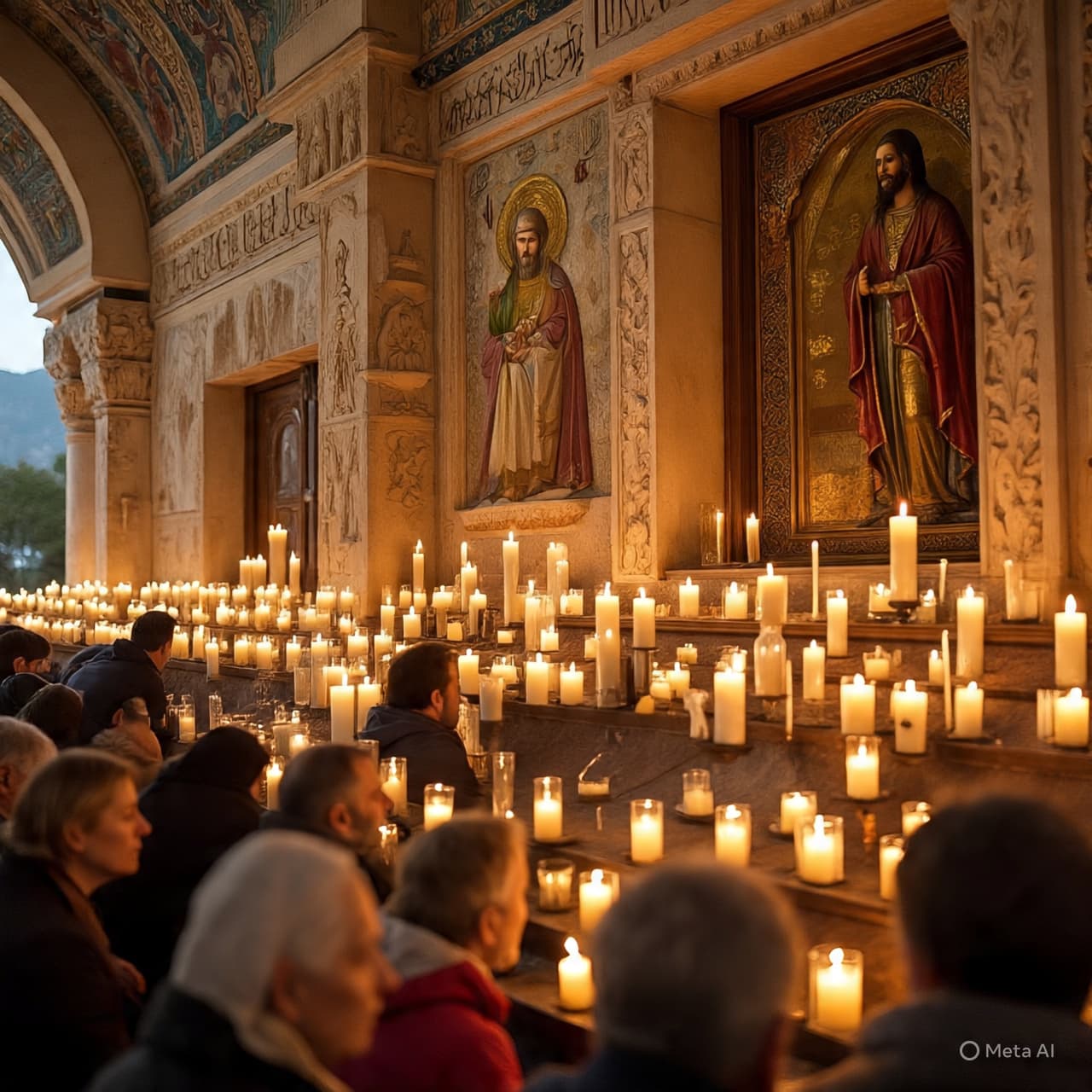
Pope Leo's recent visit to Lebanon marked a significant moment for a nation grappling with profound challenges. Arriving in a country still haunted by the echoes of past explosions and ongoing hardships, the pontiff's presence was not merely ceremonial; it was a pilgrimage of solidarity. As Lebanon faces economic collapse, displacement, and a crisis of trust in its institutions, the pope's visit offered a glimmer of hope amid despair.
Throughout his journey, Pope Leo traversed sites steeped in history and memory, from the tombs of saints to neighborhoods scarred by conflict. His message was one of unity and mutual care, urging both religious leaders and citizens to embrace their roles in fostering the common good. In a landscape where daily life is dominated by survival — from managing limited resources to mourning losses — the pontiff's calls for rebuilding resonated deeply.
The visit was characterized by intimate moments of connection, as the pope engaged with clergy and ordinary citizens alike. In private meetings, he listened to their stories of hardship, insecurity, and the erosion of trust that has plagued Lebanon in recent years. His pastoral approach was evident, blending spiritual guidance with a call to civic courage. The tone was clear: faith must translate into action, and everyone has a part to play in the nation's recovery.
Despite the uplifting nature of his visit, the realities of Lebanon's struggles were ever-present. The economic crisis, the plight of displaced communities, and the lingering trauma from past conflicts were visible in the faces of those who gathered to greet him. The pope's prayers at sites of loss were not mere gestures; they were acts of shared testimony, acknowledging grief while encouraging resilience.
What remains after such a visit is a complex paradox. While a leader's presence cannot single-handedly mend a fractured economy or restore trust in institutions, it can ignite a moral imperative and draw public attention to pressing issues. Pope Leo's visit called upon Lebanon's citizens and leaders to engage in the challenging work of rebuilding — to restore essential services, protect vulnerable populations, and create public spaces that foster trust and community.
In the fleeting moments of a papal visit, hope can feel fragile yet powerful. In a nation that has learned to endure, the impact of those few days will be measured not by grand speeches but by the small, persistent actions that follow. Whether it is reopening a clinic, keeping a school operational, or responding to the needs of those in shelters, the pope's journey serves as a reminder that faith, much like governance, requires ongoing commitment. When presence is coupled with sustained action, it can lay the groundwork for recovery and renewal in Lebanon.
Published by Banx Network. This article is part of the Banx decentralized media programme, powered by the BXE token on the XRP Ledger.



