The global food system, often taken for granted in its abundance, is facing a convergence of pressures that threaten its stability. From the fertile plains of Ukraine to the vast agricultural expanses of North America and Asia, the world’s breadbaskets are being tested by a trifecta of challenges: ongoing conflict, increasingly erratic weather patterns, and rising trade tensions. This perfect storm does not just affect farmers; it ripples through supply chains, impacting prices and availability for consumers worldwide. It is a moment that invites reflection on the fragility of our interconnected food networks and the urgent need for resilience.
War remains one of the most disruptive forces in agriculture. The conflict in Eastern Europe continues to hinder planting and harvesting cycles, while also disrupting export routes for key commodities like wheat and sunflower oil. These disruptions reduce global supplies, forcing other regions to compensate, which strains their own resources. The human cost is profound, as farmers in conflict zones face danger and displacement, leaving fields untended and communities without their primary livelihoods.
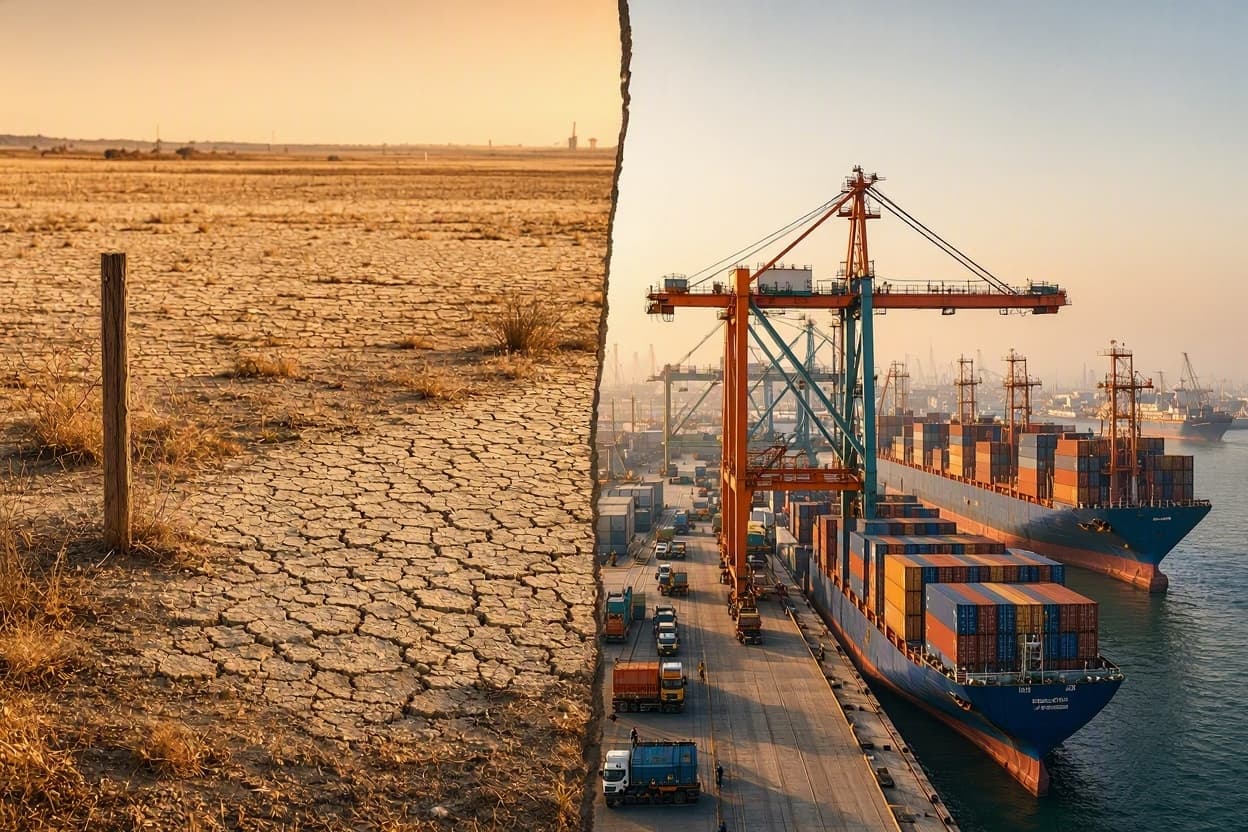
Climate change exacerbates these vulnerabilities, bringing extreme weather events with greater frequency and intensity. Droughts in major producing regions reduce yields, while floods destroy crops and degrade soil quality. Heatwaves, once rare, are becoming common, stressing plants during critical growth stages. These climatic shifts are not distant threats but present realities, forcing farmers to adapt quickly or face significant losses. The unpredictability of weather makes long-term planning difficult, adding financial risk to an already precarious industry.
Trade spats further complicate the picture. As nations prioritize domestic food security, some have imposed export restrictions or tariffs, limiting the flow of goods across borders. These protectionist measures can lead to price volatility and shortages in import-dependent countries. While intended to protect local markets, such policies often have unintended consequences, destabilizing global markets and harming producers who rely on international demand. The tension between national interest and global cooperation is palpable.
The impact on food prices is evident in supermarkets around the world. Higher production costs, combined with supply chain bottlenecks, translate into increased prices for staples like bread, pasta, and cooking oil. For low-income households, this inflation is particularly burdensome, reducing their ability to afford nutritious diets. Food insecurity, therefore, is not just a problem of scarcity but of affordability, affecting millions who spend a large portion of their income on food.
Farmers are responding with innovation, adopting drought-resistant crop varieties and precision agriculture techniques to optimize resource use. However, these solutions require investment and access to technology, which are not equally available to all. Smallholder farmers, who produce a significant share of the world’s food, often lack the capital to adapt, making them more vulnerable to shocks. Supporting these farmers is crucial for maintaining global food security.
International organizations are calling for coordinated action to address these challenges. Initiatives focused on sustainable agriculture, climate adaptation, and fair trade practices aim to build a more resilient food system. Collaboration between governments, private sector actors, and civil society is essential to develop solutions that are both effective and equitable. Without such cooperation, the risks to global food security will continue to grow.
The pressures on the world’s breadbaskets are a clear signal that the status quo is unsustainable. Addressing the combined effects of war, weather, and trade disputes requires a multifaceted approach rooted in cooperation and innovation. By prioritizing resilience and equity, the global community can work toward a food system that is robust enough to withstand future shocks.
AI Image Disclaimer: Please note that any accompanying visuals for this article are AI-generated representations intended for illustrative purposes only.
Sources: World Bank Council on Strategic Risks International Food Policy Research Institute (IFPRI) Barclays Insights United Nations Food and Agriculture Organization (FAO)
Published by Banx Network. This article is part of the Banx decentralized media programme, powered by the BXE token on the XRP Ledger.