
Key Highlights
- Incident:A tourist died at Dubare Elephant Camp in Karnataka due to an elephant fight.
- Response:Local authorities are reviewing safety protocols at wildlife tourism sites.
- Public Reaction:The tragedy has sparked discussions on wildlife tourism safety and animal welfare.
The serene morning atmosphere at wildlife parks often creates a sense of tranquility, where visitors can marvel at nature's beauty. However, this calm can be shattered in an instant, as tragically demonstrated at the Dubare Elephant Camp in Karnataka, India. A tourist lost their life during a sudden altercation between two elephants, highlighting the inherent risks associated with wildlife tourism.
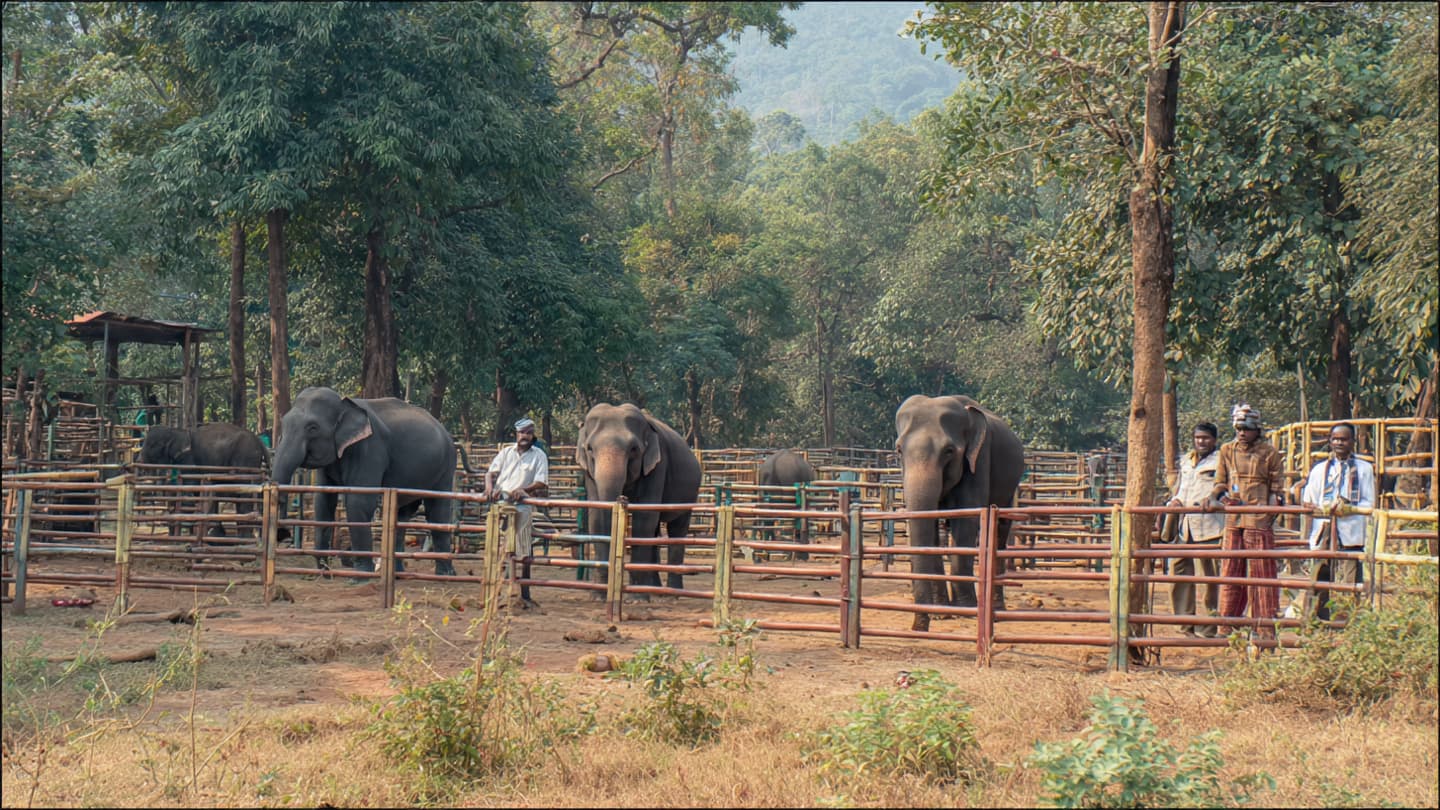
According to reports from local authorities and Indian media, the incident unfolded while visitors were observing the elephants during a bathing session near the river. The elephants, named Kanjan and Marthanda, unexpectedly turned aggressive towards each other during routine handling. In the ensuing chaos, one elephant lost its footing and fell onto a nearby tourist, resulting in fatal injuries despite immediate attempts at rescue by handlers and emergency responders.
Witnesses recounted the panic that ensued as mahouts struggled to separate the animals while tourists hurriedly retreated from the scene. Videos of the incident circulated widely on social media, prompting local officials to urge the public to refrain from sharing graphic content out of respect for the victim's family.
This tragic event has reignited discussions about the safety standards in wildlife tourism, particularly at elephant camps across India. These camps attract both domestic and international visitors eager to engage with elephants, which hold significant cultural and spiritual importance in South Asia. However, experts have long warned that even trained elephants can exhibit unpredictable behavior, especially in stressful situations or crowded environments.
In the aftermath of the incident, Karnataka authorities announced a comprehensive review of safety protocols at the Dubare camp and similar facilities. This review will assess visitor access regulations, handler training, and emergency response measures to determine if additional safeguards are necessary to prevent future tragedies.
Public sentiment following the incident has been a mix of grief and concern. Many expressed condolences for the victim, while others questioned the wisdom of allowing close interactions between tourists and large wildlife. This incident has underscored the ongoing debate surrounding the balance between tourism revenue, conservation efforts, and the welfare of animals in captivity.
As investigations continue, the Dubare Elephant Camp remains under scrutiny. This incident serves as a poignant reminder that while wildlife can inspire awe and admiration, it is crucial to approach these magnificent creatures with caution and respect for their unpredictable nature. The incident not only highlights the risks involved in wildlife tourism but also calls for a reevaluation of how such interactions are managed to ensure the safety of both animals and humans alike.
Published by Banx Network. This article is part of the Banx decentralized media programme, powered by the BXE token on the XRP Ledger.



