
Key Highlights
- Political Shift:Péter Magyar, Hungary's prime minister-elect, proposes reforms to state media.
- Media Independence:The reforms aim to enhance pluralism and editorial independence.
- European Context:The changes are part of broader discussions on media freedom in Europe.
Hungary is at a pivotal moment as the newly elected prime minister, Péter Magyar, signals a potential transformation in the country’s media landscape. His recent statements suggest a commitment to suspending what he describes as a 'propaganda machine' within state-run media. This declaration comes in the wake of an election that has reshaped the political environment, raising hopes for a more pluralistic media framework.
For years, Hungary's public broadcasting system has been scrutinized for its alignment with government narratives, particularly under the long tenure of Viktor Orbán. Critics argue that the media has increasingly served as a mouthpiece for the government, stifling diverse voices and perspectives. Conversely, supporters of the current media structure contend that it provides a necessary national perspective in a fragmented information landscape.
Magyar's proposal to suspend or restructure elements of state media operations is seen as a significant shift. The intention is to restore editorial independence and pluralism, concepts that have been largely absent in recent years. While details of the proposed reforms are still emerging, the tone of Magyar's remarks indicates a departure from the status quo, suggesting a willingness to engage with the complexities of media governance.
The implications of these reforms extend beyond the political sphere. In newsrooms across Hungary, journalists are grappling with the potential changes to their work environment, including employment security and editorial direction. For the general public, the impact of these reforms will be felt in the daily consumption of news, as the familiar rhythms of broadcasts may shift in response to new editorial policies.
In the broader European context, Hungary's media reforms are being closely monitored. The European Union has expressed ongoing concerns regarding media freedom and the rule of law in Hungary, making the future of state media a matter of regional significance. Magyar's statements are not made in isolation; they are part of a larger dialogue about the role of media in democracies and the necessity of maintaining a free and independent press.
As these developments unfold, the challenges of implementing meaningful reform remain. Transitioning state media from a government-controlled entity to one that embodies pluralism and independence is a complex process. It requires not only legal frameworks but also a cultural shift within the institutions themselves. Observers note that even small changes can have significant ramifications in a political landscape where media has long been intertwined with national identity.
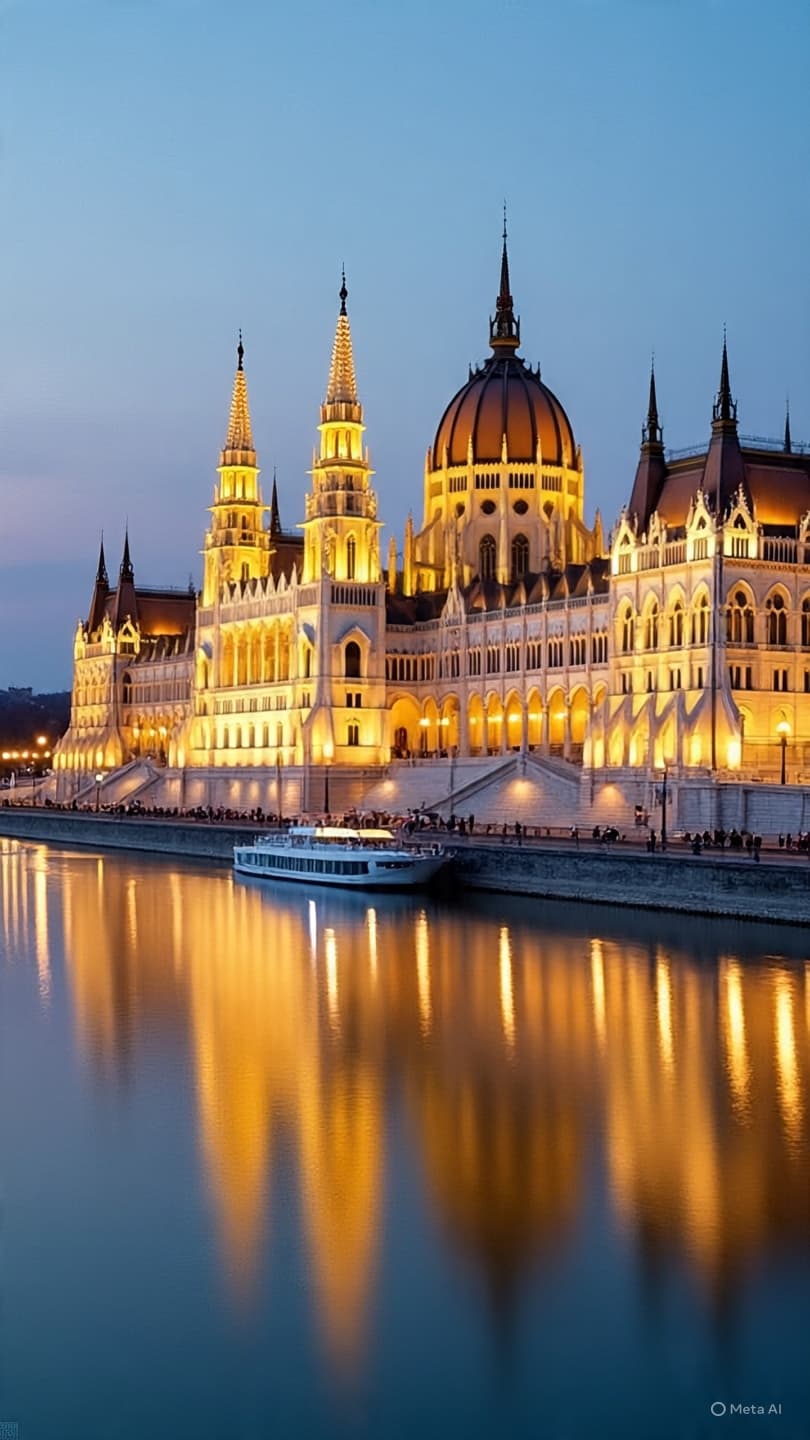
As night falls over Budapest, the river flows steadily, a reminder of the continuity of life amid political change. Magyar's pledge represents a beginning, a declaration of intent that will require careful translation into actionable policy. The coming months will reveal whether Hungary can navigate this moment of pause to foster a media environment that reflects the diverse voices of its citizens, or if it will merely shift from one form of alignment to another.
Published by Banx Network. This article is part of the Banx decentralized media programme, powered by the BXE token on the XRP Ledger.



