Sometimes, peace begins not with treaties or grand gestures, but with the stillness between echoes. Along the tense frontier between Pakistan and Afghanistan, the sound of gunfire has momentarily ceased. For forty-eight hours, at least, the two nations have agreed to step back from the brink and listen to the quiet.
The ceasefire, effective from the afternoon of October 15, follows several days of escalating violence. Clashes erupted in Afghanistan’s Helmand province on October 11, where reports say cross-border exchanges intensified. The Afghan Air Force conducted airstrikes in response, targeting areas within Pakistan, prompting retaliatory fire. By dawn on October 15, the fighting flared again—until, finally, a call for calm prevailed.
Officials from both sides confirmed that the truce is intended as a “confidence-building pause,” designed to allow discussions toward de-escalation. Security sources described the talks as urgent but cautious, acknowledging that mutual mistrust runs deep.
While neither government has released a formal joint statement, local commanders reportedly received direct orders to cease hostilities and maintain restraint for the duration of the truce. Border residents, long accustomed to uncertainty, welcomed the brief silence with relief and fatigue.
Yet, the ceasefire remains fragile—forty-eight hours against years of grievance and suspicion. The region’s history reminds that such pauses are rarely permanent, but even temporary quiet can offer a chance for perspective. For many along the border, the hope is simple: that this brief silence may stretch into something resembling peace.
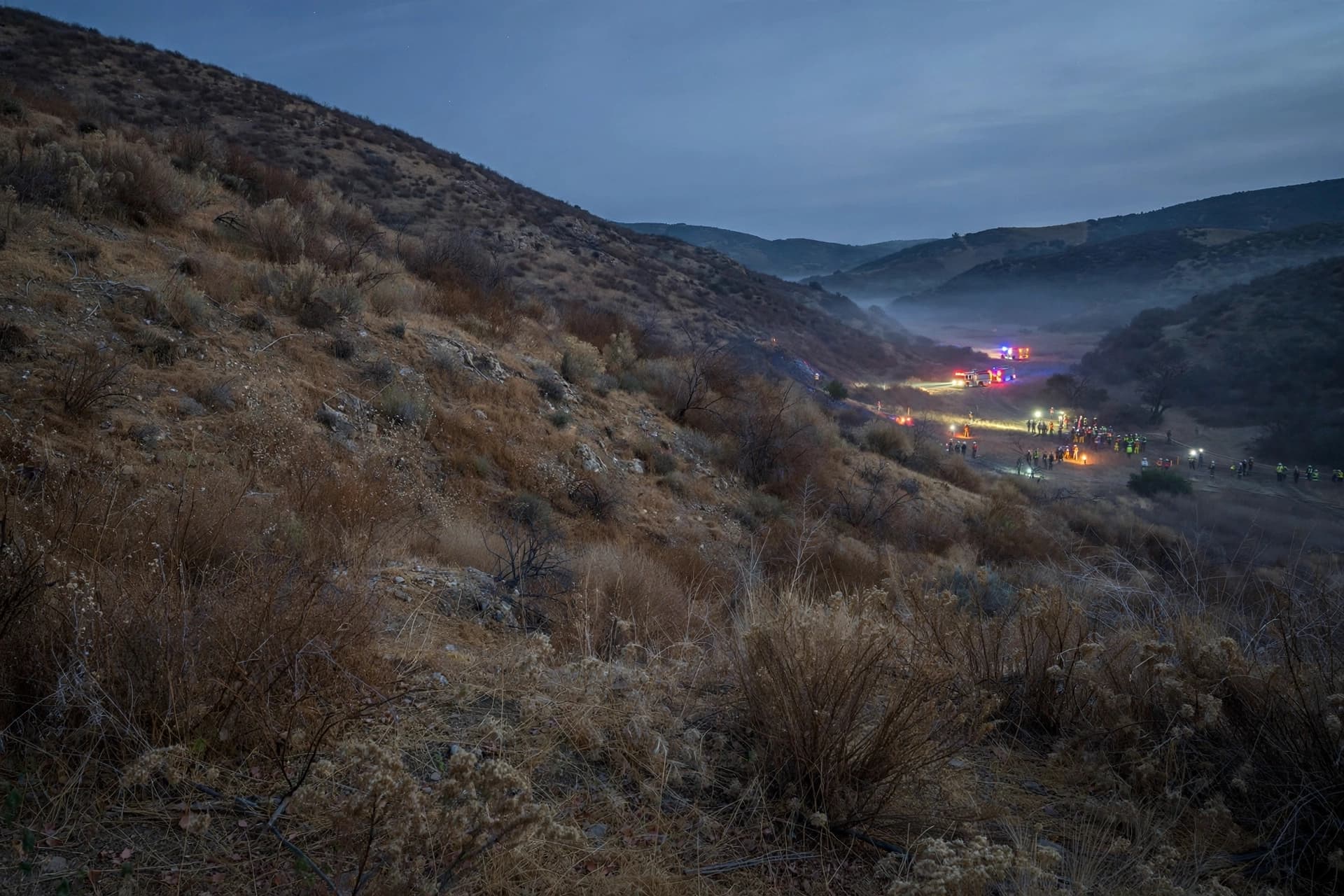
AI Image Disclaimer Graphics are AI-generated and intended for representation, not reality.
Sources Reuters Al Jazeera Dawn BBC News The Guardian
Published by Banx Network. This article is part of the Banx decentralized media programme, powered by the BXE token on the XRP Ledger.