
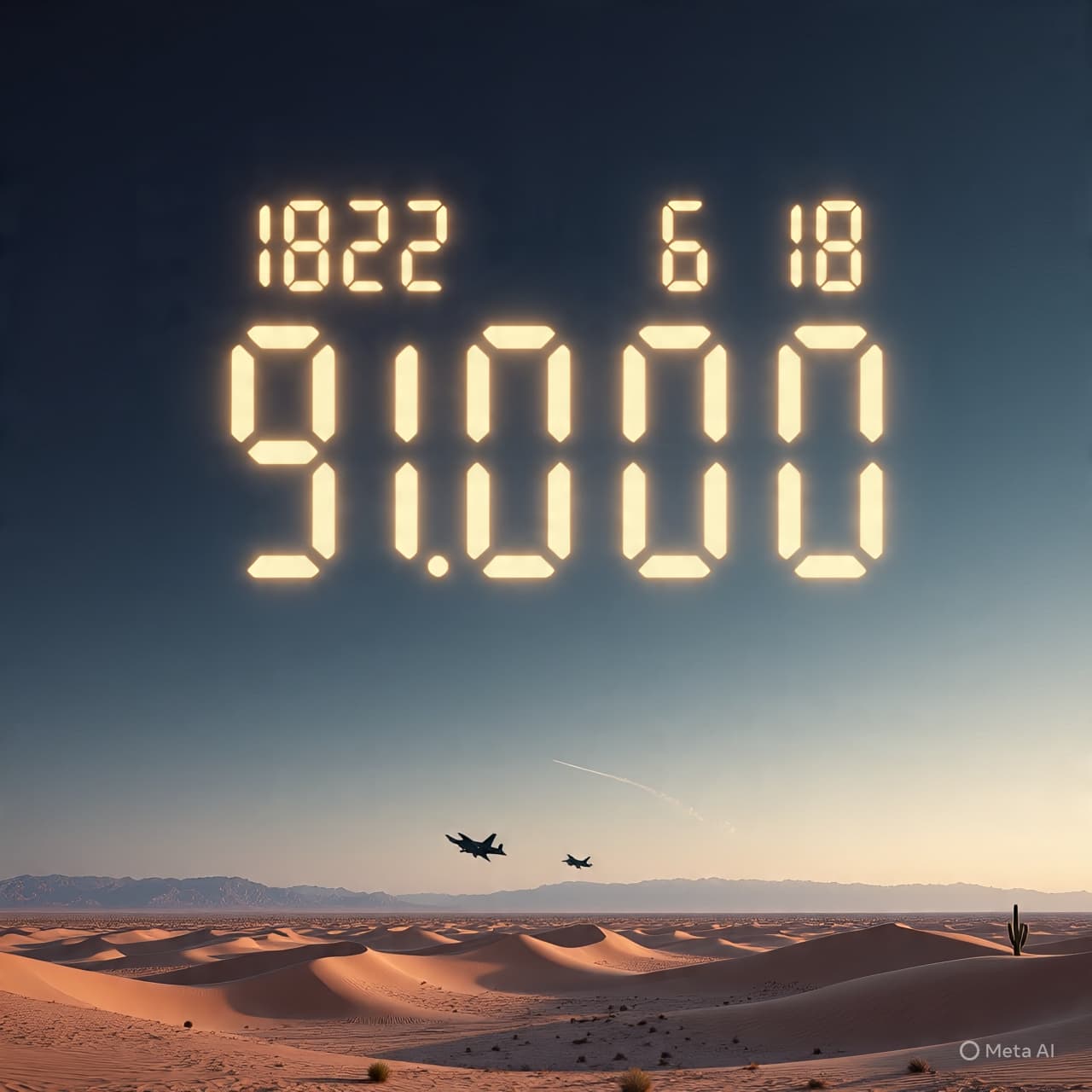
There are moments in global affairs that resemble a held breath—when time itself seems to hesitate, as if unsure whether to move forward or retreat into silence. In the shifting landscape between Washington and Tehran, such a pause has taken shape in the form of a five-day delay. It is a quiet interval, yet heavy with implication, like clouds gathering without deciding whether to rain or disperse.
At the center of this unfolding tension stands Donald Trump, whose signals—part caution, part calculation—have introduced a delicate ambiguity. Reports of a postponed strike toward strategic targets within Iran have stirred both speculation and unease. The delay, neither a firm step toward peace nor a clear march toward escalation, leaves observers searching for meaning in what is not being said as much as in what is.
Diplomacy, in times like these, often resembles a narrow bridge suspended over uncertain waters. On one side lies the possibility of dialogue, fragile yet persistent; on the other, the looming shadow of confrontation. The five-day pause does not resolve this tension but instead elongates it, stretching each hour into a question that resists a simple answer. Is it a final window for negotiation, or merely a recalibration before a more decisive move?
In Tehran, the response has been measured, though not without vigilance. Officials appear to read the delay not as a retreat, but as a signal layered with strategic intent. Meanwhile, regional actors—watching closely—adjust their own postures, aware that even a subtle shift can ripple across borders. The Middle East, long accustomed to cycles of strain and release, now finds itself once again at the edge of an uncertain turn.
The language of military readiness and diplomatic outreach often coexists uneasily, like two melodies played in different keys. On one hand, there are reports of continued preparations, the quiet machinery of defense and deterrence remaining in motion. On the other, there are hints—sometimes faint, sometimes more pronounced—of backchannel conversations, where words attempt to do what force might otherwise claim.
For global markets and international observers, the delay introduces a peculiar kind of tension. It is not the shock of sudden conflict, nor the relief of a confirmed agreement, but something in between—a suspended state that invites both caution and reflection. Analysts weigh each statement, each movement, as if assembling a puzzle whose final image remains just out of view.
Yet, within this ambiguity, there is also a subtle reminder: pauses, however brief, carry their own significance. They can serve as spaces for reconsideration, for recalibration, or simply for the gathering of resolve. Whether this five-day interval becomes a bridge toward de-escalation or a prelude to intensification remains uncertain.
As the days pass, the world watches not only for action, but for intention. In the quiet between decisions, there is often more revealed than in the decisions themselves. And so, the question lingers—gently, persistently—whether this moment of delay is the beginning of a softer path, or merely the calm before a louder storm.
AI Image Disclaimer (Rewritten) Visuals are created with AI tools and are not real photographs.
Source Check (Credible Media Scan):
Reuters
The New York Times
Al Jazeera
BBC News
The Washington Post
Published by Banx Network. This article is part of the Banx decentralized media programme, powered by the BXE token on the XRP Ledger.

.jpg&w=3840&q=75 "Blake Lively Awarded $400,000 in Legal Fees After Justin Baldoni Lawsuit Dismissed")
