
Key Highlights
- Incident:A commercial cargo ship was attacked in the Strait of Hormuz.
- Damage:The vessel sustained minor damage, with no injuries reported.
- Response:U.S. officials are reviewing peace proposals amid heightened military presence.
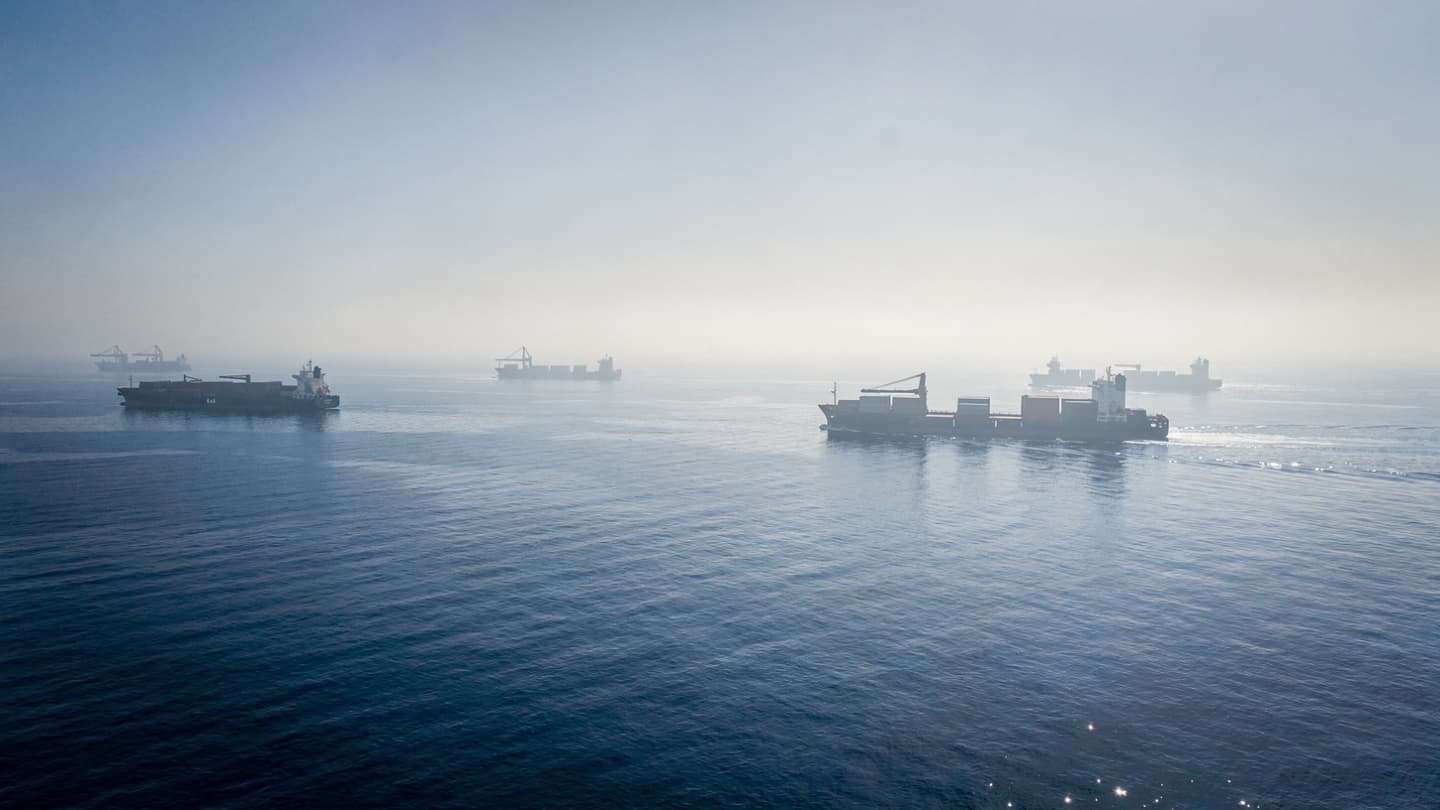
The Strait of Hormuz, a crucial maritime passage for global energy supplies, has recently become the focal point of escalating tensions following an attack on a commercial cargo ship. This incident, which involved multiple small craft, underscores the fragility of maritime security in a region that is vital for international trade. The British Maritime Trade Operations center confirmed that while the vessel sustained minor damage, all crew members were unharmed, highlighting a narrow escape from a potentially catastrophic situation.
As the world watches, the implications of this attack extend far beyond the immediate damage to the ship. The Strait of Hormuz is a critical artery through which approximately 20% of the world's oil passes. Disruptions in this region can lead to significant fluctuations in global oil prices, affecting economies worldwide. The attack serves as a stark reminder of the vulnerabilities inherent in our interconnected global systems, where a single incident can ripple through markets and impact consumers everywhere.
In response to the attack, U.S. officials have indicated a review of new peace proposals aimed at restoring stability in the region. This includes maintaining a heightened military presence to ensure the safety of international shipping lanes. The situation has prompted discussions about potential blockades and naval escorts, which, while intended to protect maritime traffic, also risk escalating tensions further. The delicate balance between security and diplomacy is now more crucial than ever as stakeholders navigate this complex geopolitical landscape.
The crews of vessels traversing the Strait are now faced with heightened risks and uncertainties. Their role in ensuring the safe passage of goods is often overlooked, yet it is essential for maintaining the flow of trade that underpins modern economies. The bravery of these sailors, who operate under the constant threat of conflict, is a testament to their commitment to keeping the world’s supply chains intact.
The broader impact of this disruption is felt most acutely by those who rely on the goods transported through the strait. Farmers and small producers depend on fertilizers and fuels that pass through this narrow passage. A delay in shipping can lead to failed crops and increased costs for consumers, illustrating the interconnectedness of global trade. The attack on a tanker is not just a maritime issue; it is a matter of food security and economic stability for many.
As discussions continue regarding the best path forward, the international community is tasked with finding solutions that allow trade to resume while minimizing the risk of further violence. The proposed logistical plans aim to guide stranded ships safely out of harm's way, but they also carry the potential for increased military entanglement. The challenge lies in restoring order without exacerbating the conflict.
In the aftermath of the attack, the memory of the incident will linger, serving as a reminder of the vulnerabilities that exist within our global trade networks. As the world moves forward, there is a renewed appreciation for the quiet yet vital work of maritime crews and the fragile threads that connect nations across vast distances. The hope is that peace can be restored, allowing the steady flow of commerce to resume in the Strait of Hormuz, a passage that is as essential as it is perilous.
Published by Banx Network. This article is part of the Banx decentralized media programme, powered by the BXE token on the XRP Ledger.



