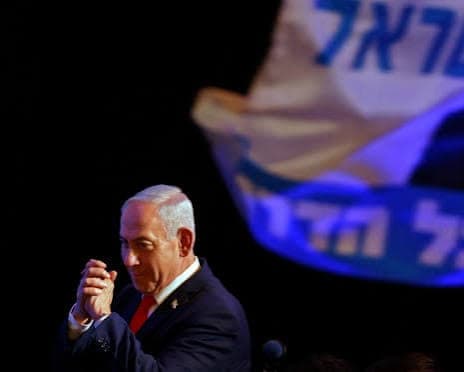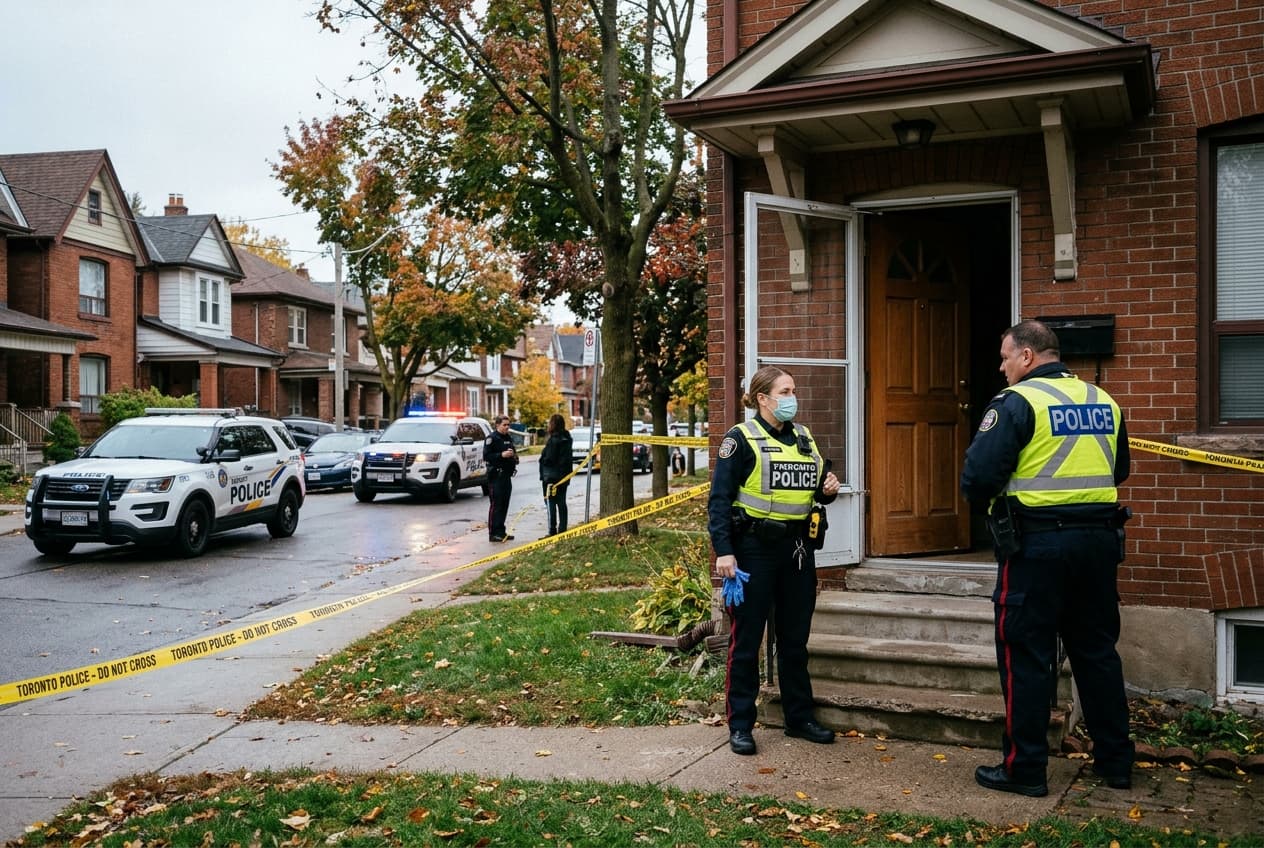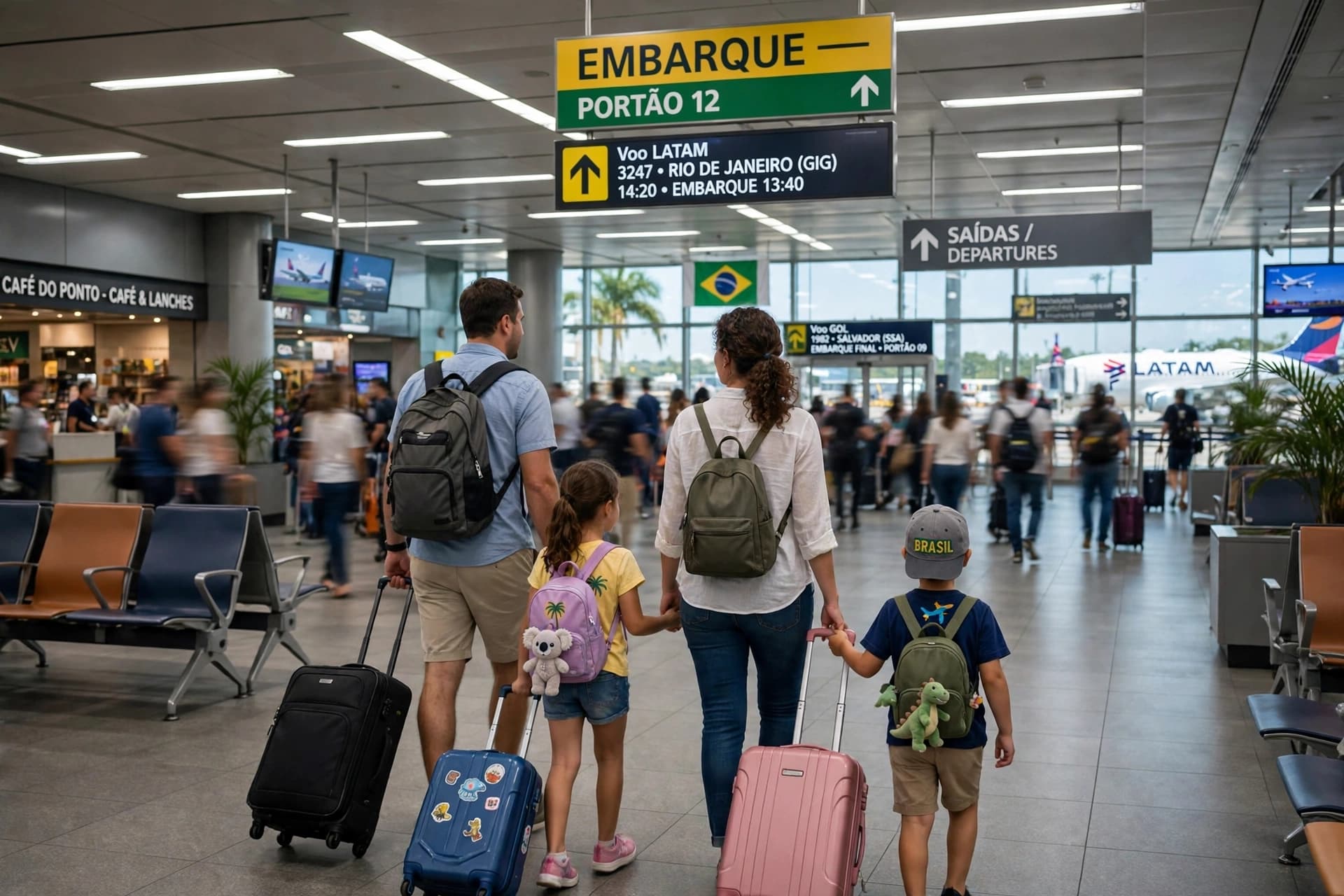
Elections end, but their echoes do not. In Brazil, the weekend brought a result that surprised many—a conservative wave that had been expected to crest instead receded, and incumbent President Luiz Inácio Lula da Silva won a margin of nearly four percent, more than 64 million votes to fewer than 60 million . By Tuesday, the aftermath had acquired a geography: Flavio Bolsonaro, the defeated candidate and sitting senator, had left the country, and a senior U.S. State Department official confirmed that he and his family would be granted visas to enter the United States .
The timing was not incidental. Bolsonaro had been ordered to surrender his regular and diplomatic passports by noon Tuesday, a Supreme Court order tied to investigations into corruption, money laundering, and tax evasion—charges he denies . He had refused to concede the election, alleging fraud without substantiation, and had asked the electoral court to annul Lula's candidacy . The order to surrender his passports was issued Sunday, the day of his loss. By Tuesday, sources said he had left Brazil, with one person close to the family indicating he had landed in Florida .
The Bolsonaro family's relationship with the United States runs deep and complicated. Flavio's brother, Eduardo Bolsonaro, lives in Texas and was convicted in absentia in June of illegally lobbying the Trump administration, receiving a four-year sentence; a warrant was recently issued for his arrest . Their father, former President Jair Bolsonaro, is serving a 27-year sentence under house arrest for attempting a coup after his 2022 election loss to Lula. After that defeat, Jair Bolsonaro also fled to Florida, returning three months later .
President Donald Trump had offered tacit support to Flavio Bolsonaro during the campaign. On Monday, without providing evidence, Trump suggested Brazil's election was "rigged" . The State Department official who confirmed the visas spoke on condition of anonymity, citing visa privacy laws, and did not say whether Bolsonaro had already departed or was en route .
The departure threatens to deepen a rift between the two most populous nations in the Americas. Lula has accused Washington of colluding with the Bolsonaros to return them to power, and Reuters reported before the election on a State Department campaign to restore them to office . The decision to grant visas to a candidate who has refused to accept defeat, and who faces investigation at home, carries a weight that extends beyond immigration procedure.
For Brazil, the question is what comes next: whether the election result will be certified without further challenge, whether the Supreme Court's investigations will proceed, and what it means for a nation still divided by the legacies of its previous government. For the United States, the visa decision is a statement—quiet, procedural, and yet unmistakably political—about who is welcome, and on what terms.
The results are expected to be certified on December 18. Bolsonaro's senate term expires in January 2027.
The images in this article are AI-generated and are not photographs of the individuals or events described.
Sources: Associated Press, Chicago Tribune, Belfast Telegraph, Egyptian Gazette
Published by Banx Network. This article is part of the Banx decentralized media programme, powered by the BXE token on the XRP Ledger.