
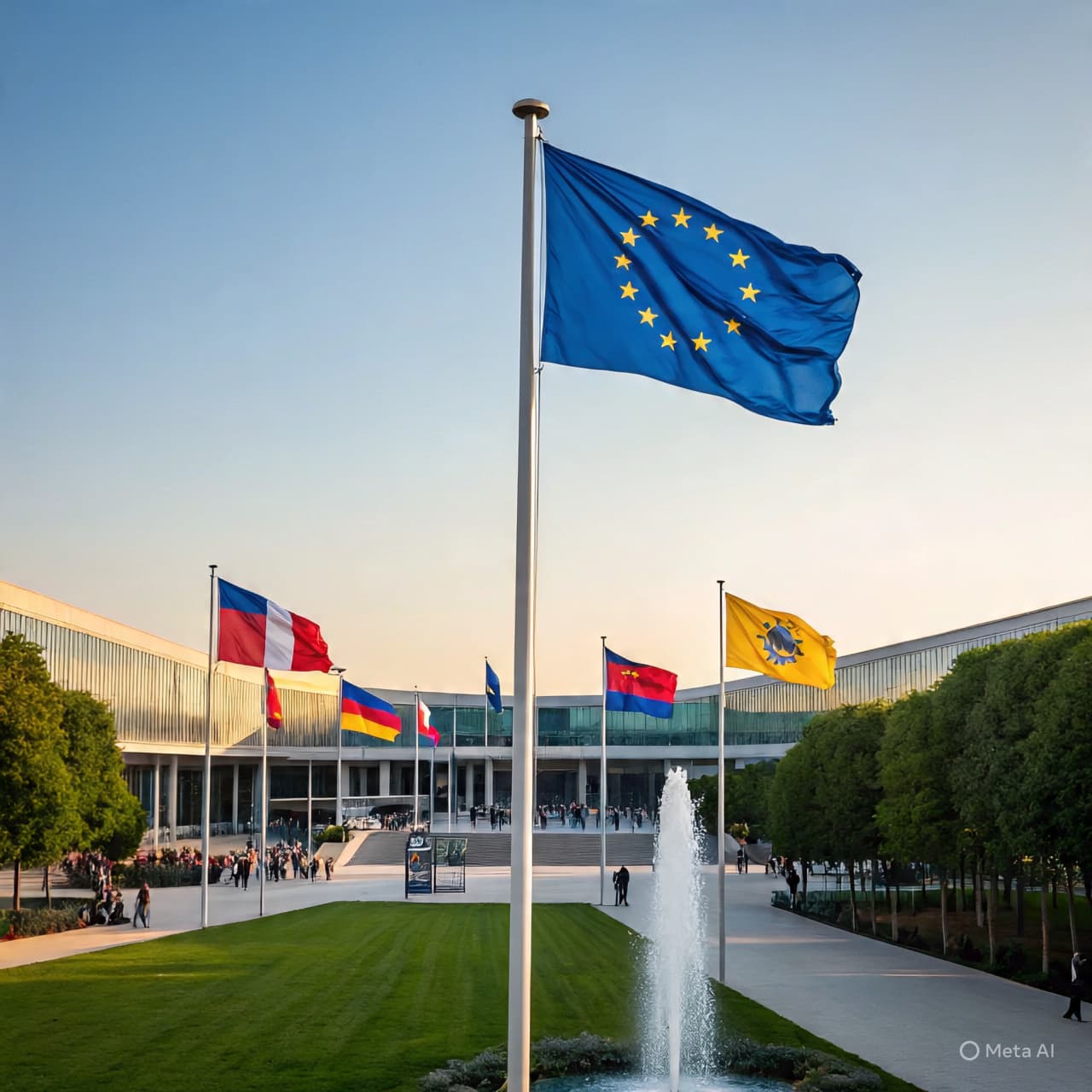
Key Highlights
- International Summit:Leaders convene to discuss reopening the Strait of Hormuz.
- Economic Impact:The strait is vital for global energy supplies and trade routes.
- Security Concerns:Ongoing tensions in the region complicate maritime safety.
The Strait of Hormuz, long regarded as one of the world’s most critical maritime routes, has once again become the focus of international concern. Recent tensions have prompted France and the United Kingdom to convene an international summit aimed at addressing the question of its reopening and ensuring the continued flow of maritime traffic. This gathering reflects both urgency and deliberation, as the strait is a lifeline for markets, industries, and nations, with a significant portion of global energy supplies passing through it.
At the summit, discussions are expected to focus on security guarantees, diplomatic coordination, and mechanisms to reduce the risk of further disruption. The presence of multiple stakeholders underscores the shared interest in maintaining open and secure passage. While perspectives may differ, the underlying objective remains consistent: to restore confidence in a route that underpins global commerce. The implications of any disruption extend far beyond the immediate region, shaping energy prices, trade routes, and economic stability.
For France and the United Kingdom, this initiative represents an effort to engage actively in a situation that blends regional complexity with global consequence. By convening such talks, leaders like Emmanuel Macron and Keir Starmer signal a willingness to facilitate dialogue and coordinate responses, even as the broader dynamics remain intricate. The summit is not just about immediate solutions but also about fostering long-term stability in a region fraught with challenges.
The context surrounding the Strait of Hormuz is shaped by longstanding tensions involving regional actors, including Iran and its neighbors. These tensions, while not new, have taken on renewed significance in light of recent developments. The challenge lies not only in addressing immediate concerns but also in navigating the deeper factors that contribute to instability. Observers note that summits of this kind are as much about signaling as they are about substance. They convey a message of coordination, shared responsibility, and intent to act collectively.
At the same time, the tone of engagement appears measured. Rather than dramatic declarations, the emphasis remains on dialogue and cooperation—on finding ways to stabilize a situation that affects many, even if it originates in a specific place. The discussions at the summit will likely explore not just the reopening of the strait but also the broader implications for maritime security and global trade.
In straightforward terms, the international summit hosted by France and the UK is a critical step toward addressing the challenges facing the Strait of Hormuz. The outcomes of these discussions will be closely watched, as they hold the potential to influence the stability of global shipping routes and the flow of energy supplies.
Published by Banx Network. This article is part of the Banx decentralized media programme, powered by the BXE token on the XRP Ledger.



