
Key Highlights
- Genetic Mapping:A comprehensive genetic map for the kōkako has been completed.
- Conservation Efforts:The study aims to enhance the survival of the species in New Zealand.
- Future Planning:Unique genetic markers have been identified to improve breeding strategies.
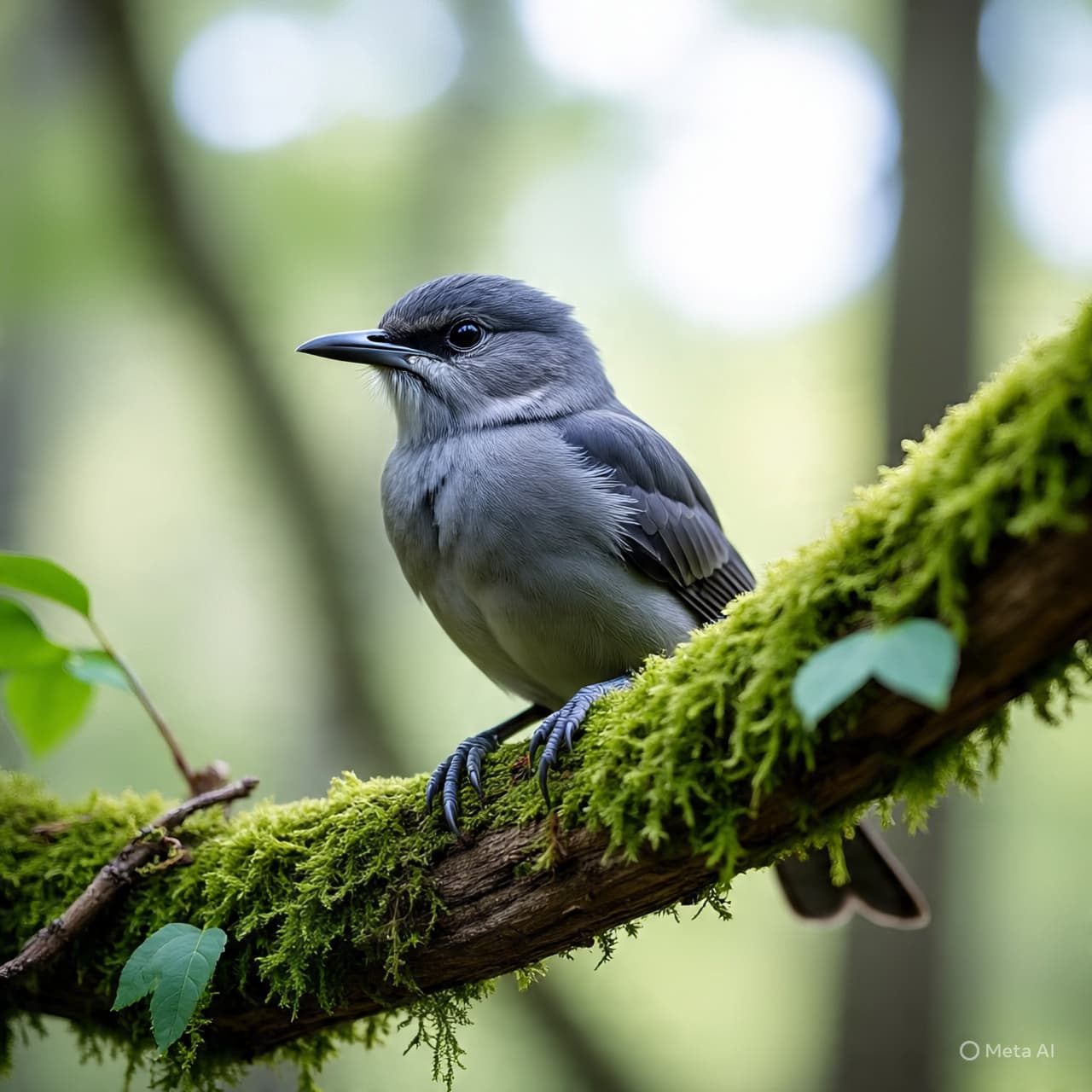
In the deep, ancient forests of New Zealand's North Island, the kōkako, known for its haunting song and striking blue wattles, faces an uncertain future. Once abundant, this unique bird has seen its population dwindle due to habitat loss and predation. However, a recent breakthrough in genetic research offers a glimmer of hope. In spring 2026, scientists completed a comprehensive genetic map of the kōkako, marking a pivotal moment in conservation efforts aimed at preserving this iconic species.
The genetic mapping project, spearheaded by researchers at the University of Canterbury, involved sequencing the genomes of over 200 kōkako from various isolated populations. This extensive data collection allows conservationists to identify individuals with the most diverse and resilient genetic traits. By understanding the genetic makeup of the kōkako, researchers can make informed decisions about translocation and breeding programs, ensuring that the species can adapt to changing environmental conditions.
The urgency of this work cannot be overstated. Small, isolated populations of the kōkako are at risk of losing genetic diversity, which is crucial for their survival. The researchers, equipped with a profound sense of purpose, traverse the bush collecting feathers and other genetic material that hold the secrets of the kōkako's past. Their efforts bridge the gap between the physical bird and its genetic blueprint, ensuring that future generations will continue to hear the beautiful song of the kōkako.
This innovative approach, known as genomic-informed management, allows conservationists to act as matchmakers for the forest. By prioritizing the breeding of the most genetically diverse lineages, they enhance the bird's resilience against diseases and environmental changes. This method not only respects the identity of the kōkako but also acknowledges the importance of preserving its potential for future adaptation.
As the sun filters through the forest canopy, illuminating a male kōkako as he begins his morning call, the significance of this genetic work becomes palpable. The tools of modern genetics are proving to be invaluable in the fight to protect the ancient wonders of New Zealand's ecosystems. The kōkako's song serves as a reminder of life's persistence, and the genetic map acts as a score that ensures this melody continues.
The findings from the 2026 genetic study have already yielded promising results. The Kōkako Specialist Group is utilizing the data to strategically plan the movement of birds between mainland habitats and offshore islands, maximizing genetic health and reproductive success. Unique genetic markers have been identified that correlate with increased reproductive success and predator avoidance, providing critical insights for future conservation strategies.
Ultimately, the genomic mapping of the North Island kōkako aligns with New Zealand's ambitious
Published by Banx Network. This article is part of the Banx decentralized media programme, powered by the BXE token on the XRP Ledger.



