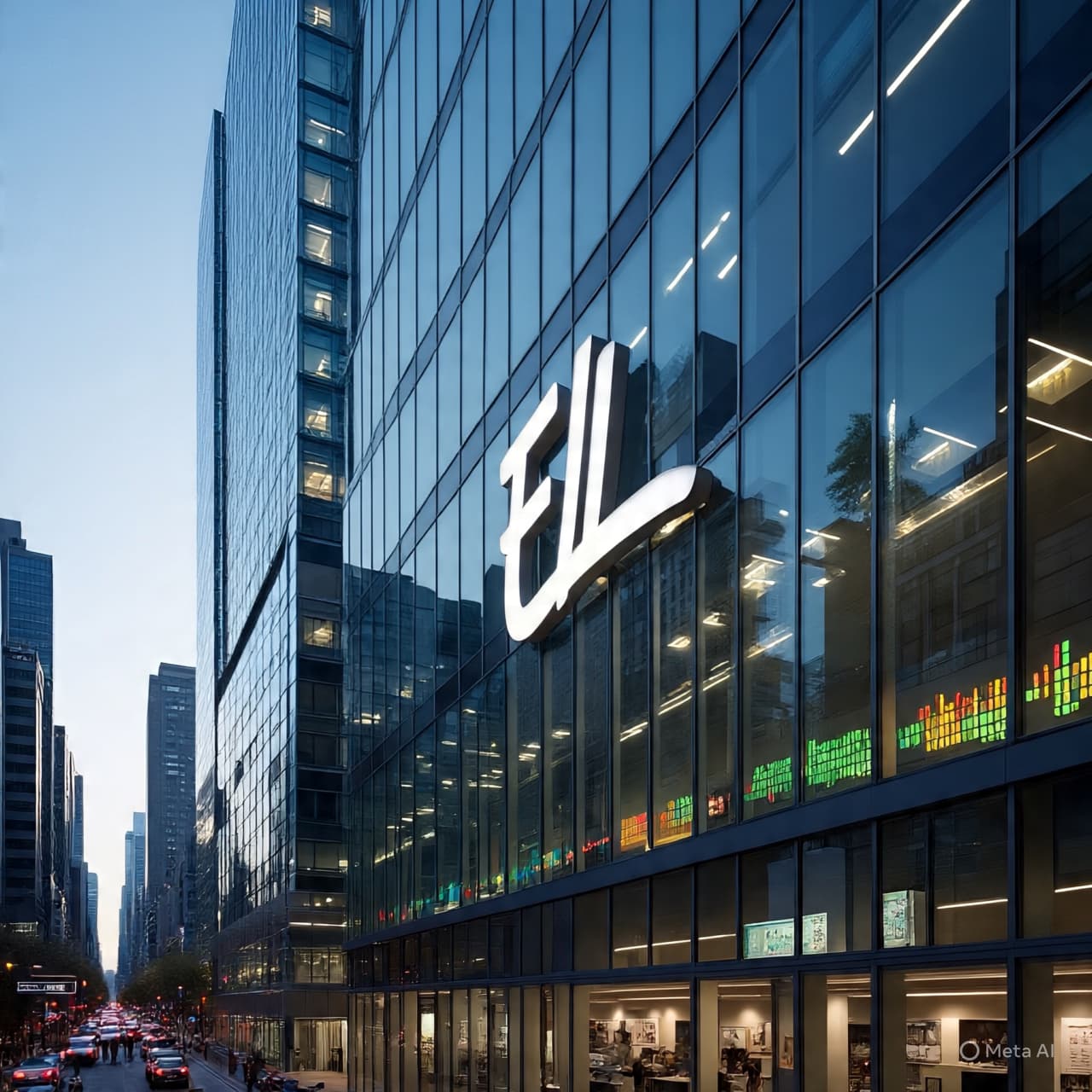
In the quiet pre‑market hours, the ticker tape can feel like a barometer of mood rather than money — a whisper of confidence or a sigh of worry captured in tiny blips and claims. On a brisk February morning, the shares of Eli Lilly & Company climbed sharply, buoyed by financial guidance that seemed to steady the market’s nerves about one of the sector’s fiercest rivalries.
Eli Lilly reported robust fourth‑quarter results, led by blockbuster sales of its weight‑loss and type‑2 diabetes medications — particularly Mounjaro and Zepbound — which together accounted for sales far above many analysts’ expectations. Zepbound alone posted more than $4.2 billion in revenue, while Mounjaro contributed over $7.4 billion. Overall revenue growth surpassed forecasts by a significant margin, lifting both sales and earnings well ahead of consensus estimates. Investors responded with renewed enthusiasm, driving Lilly’s share price up roughly 8 percent in early trading.
The company’s assertive guidance for 2026 played a key role in this market optimism. Lilly forecast adjusted earnings of $33.50 to $35 per share and projected full‑year sales of $80 billion to $83 billion — figures that imply more than 40 percent earnings expansion and robust revenue growth at the midpoint. This forward outlook reassured investors who had been wrestling with heightened competition in the obesity and diabetes drug space, particularly from Danish rival Novo Nordisk.
Just as Lilly’s stock climbed, Novo Nordisk — long a dominant force with its Wegovy and Ozempic franchises — reported a more challenging picture. The company cautioned that sales and profits for 2026 could decline by as much as 5 to 13 percent amid pricing pressures, U.S. government cost‑cutting agreements, and intensifying competition, leading its share price to slide sharply.
It is a tale of two trajectories. Lilly’s narrative of expanding market share, strong drug uptake, and bullish guidance stands in contrast with Novo Nordisk’s cautionary tone on near‑term growth. Where investors had once fretted about Novo’s dominance, the fresh figures and outlook from Lilly appear to shift sentiment — at least for now — toward a belief that Lilly may continue to capture a larger portion of the burgeoning obesity drug market, potentially eclipsing its rival.
Beyond immediate numbers, Lilly’s pricing strategies and partnerships — including agreements to offer key medications at discounted rates under emerging programs — have helped ease fears about the sustainability of its business model in an era of drug cost scrutiny. These tactical moves have also helped position Lilly’s products as accessible to a broader patient base, which investors see as a positive for long‑term volume and growth.
In a market increasingly sensitive to the interplay between innovation, competition, and regulation, Lilly’s assertive outlook — pairing strong historical performance with confident expectations — has given investors a point of calm amid what can feel like a storm of shifting forecasts and cautionary headlines. The resulting stock surge underscores how forward guidance, as much as past results, can shape investors’ sense of confidence in a company’s direction.
AI Image Disclaimer Illustrations were produced with AI and serve as conceptual depictions.
Sources (Source Check Completed) Credible reporting exists on this topic from multiple mainstream financial news outlets:
Investor’s Business Daily MarketWatch Reuters (context on broader weight‑loss drug market and Novo Nordisk outlook) Bloomberg (general market context) Barron’s / FinancialContent articles referenced by markets sources
Published by Banx Network. This article is part of the Banx decentralized media programme, powered by the BXE token on the XRP Ledger.