In the steady progress of modern medicine, some of the most meaningful advances do not arrive as sudden breakthroughs, but as careful refinements of existing ideas. Cancer research continues to move along this path, particularly in the field of cellular therapy.
Recent developments in CAR T-cell therapy have focused on improving how immune cells are engineered to recognize and attack cancer more effectively. These therapies use modified T cells designed to identify specific markers on tumor cells.
Scientists are now exploring stem cell-based approaches to produce more consistent and scalable versions of these engineered immune cells. This strategy aims to improve reliability while maintaining therapeutic precision.
Early research suggests that these enhanced cells may offer stronger persistence in the body, allowing them to continue targeting cancer cells over longer periods. However, these findings are still being evaluated through ongoing clinical studies.
One of the key areas of focus is reducing side effects associated with immune system overactivation. Researchers are working to improve targeting accuracy so that healthy tissues are less affected.
Medical experts emphasize that CAR T therapies are typically used in specific cancer types and are not universally applicable. Their effectiveness depends on patient condition and disease characteristics.
The broader field of immunotherapy continues to expand, reflecting a shift toward treatments that engage the body’s own biological systems rather than relying solely on external interventions.
As research progresses, CAR T innovations represent a careful balance between scientific precision and biological complexity, shaping the future direction of cancer treatment.
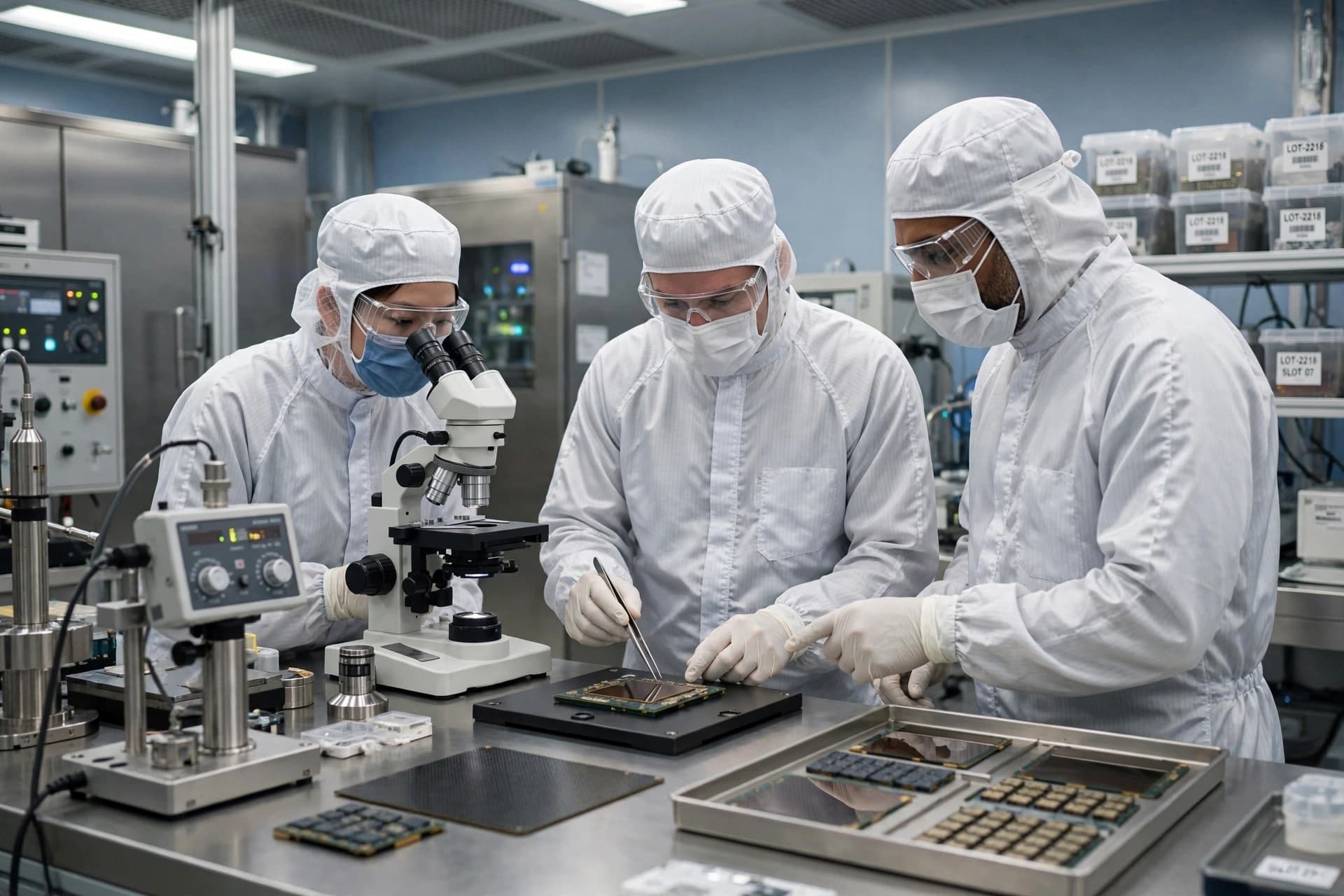
AI Image Disclaimer: Images are AI-generated conceptual medical illustrations and do not depict real patients or clinical procedures.
Sources: Nature Medicine, NIH, Cancer Research UK, Science Translational Medicine, ScienceDaily
Published by Banx Network. This article is part of the Banx decentralized media programme, powered by the BXE token on the XRP Ledger.