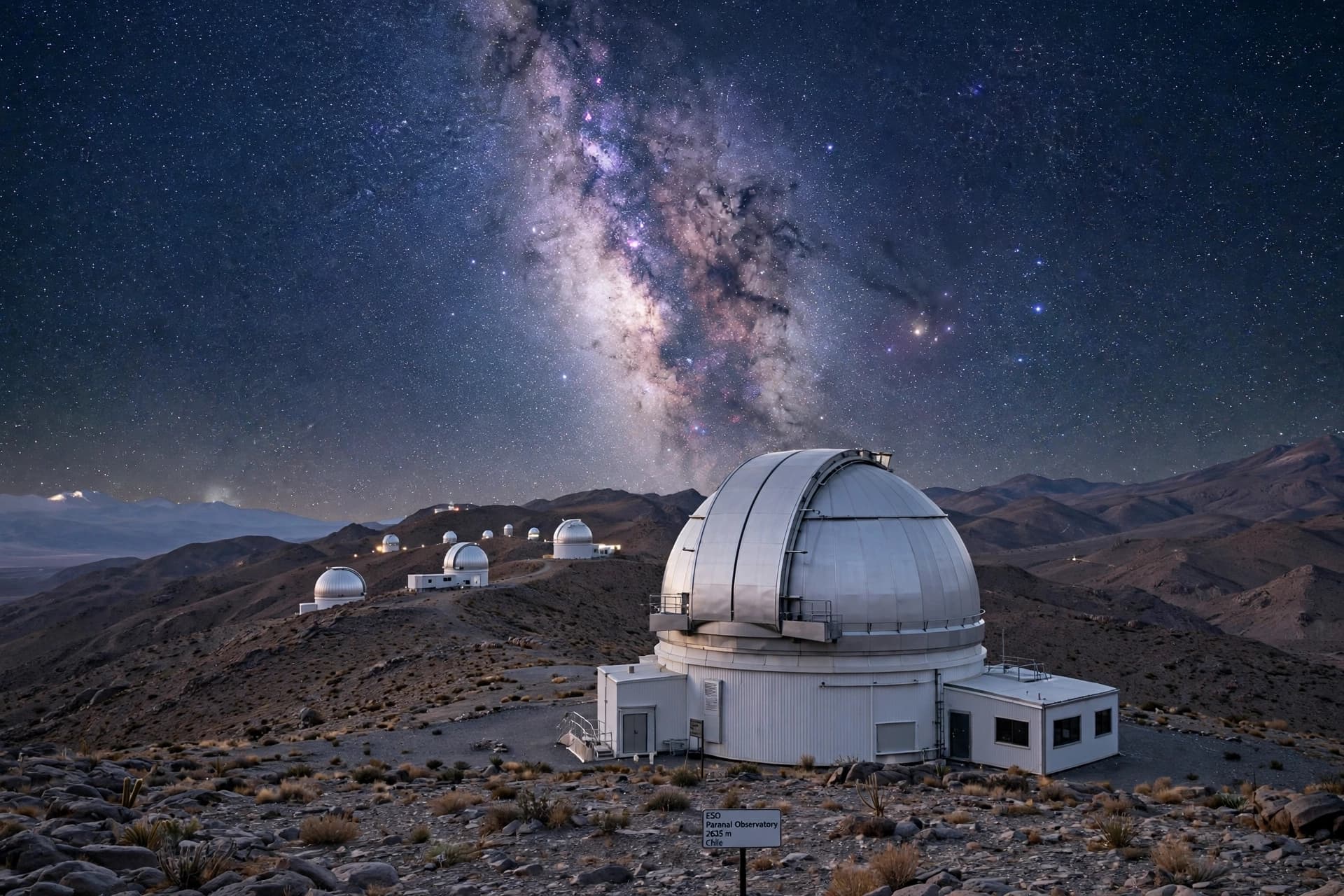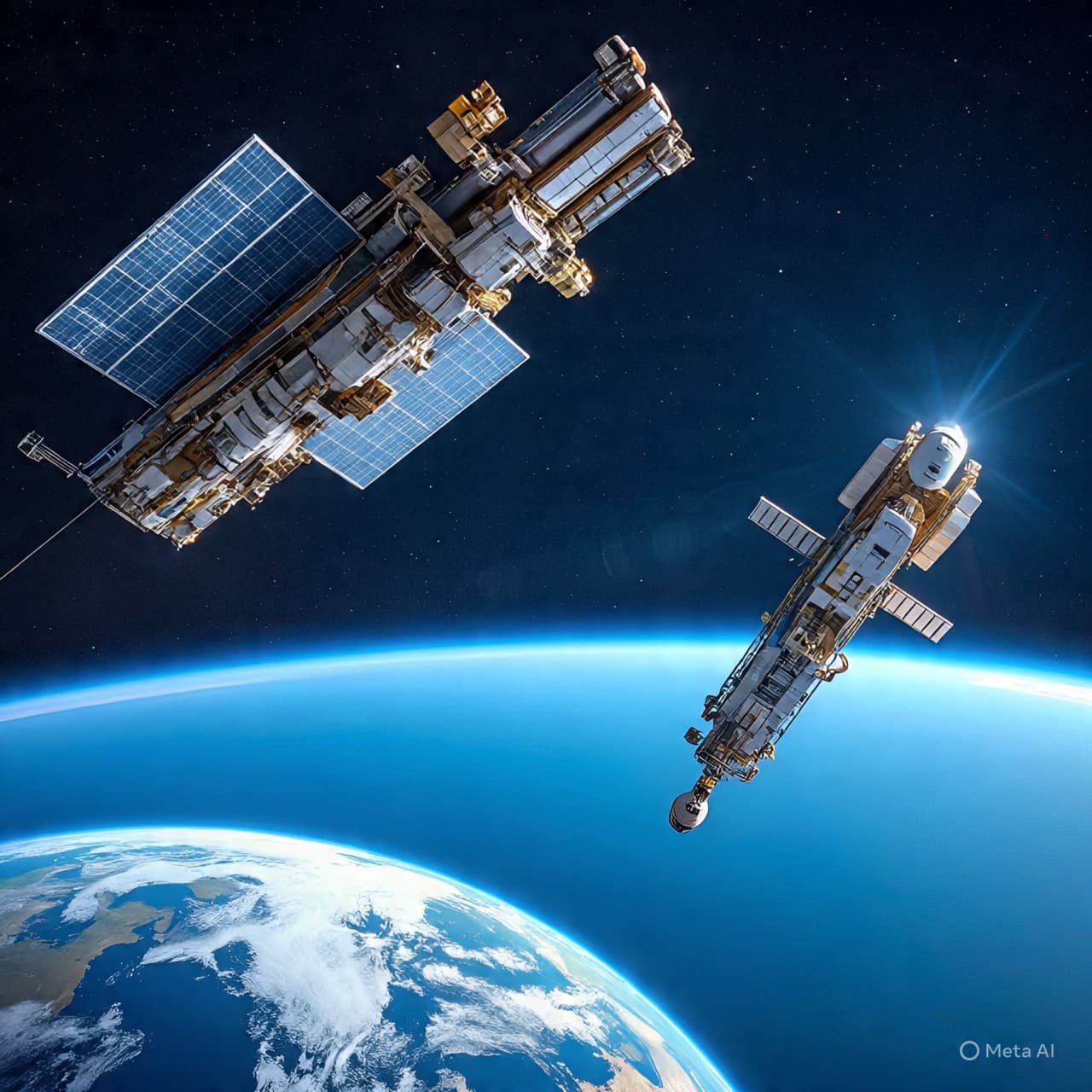
There is something quietly profound about the moment a spacecraft approaches the International Space Station. Against the velvet darkness of orbit, the station appears less like a machine and more like a harbor — a small, luminous outpost circling a restless blue planet. From Earth, it is a streak of light crossing the night. Up close, it becomes a home suspended between worlds.
This week, four new astronauts arrived at the International Space Station, expanding its orbiting community and continuing a tradition of human presence in space that has endured for more than two decades. Their journey, launched aboard a SpaceX Crew Dragon as part of a commercial crew mission with NASA, marks another chapter in the evolving partnership between government space agencies and private industry.
The crew represents a blend of experience and new perspective — astronauts and cosmonauts selected not only for their technical precision but for their capacity to live and work in one of the most demanding environments known to humanity. After liftoff atop a Falcon 9 rocket, the capsule spent roughly a day maneuvering through orbit before docking autonomously with the station. The approach, though guided by advanced navigation systems, still carries a quiet tension: a careful choreography of speed, distance, and alignment performed 250 miles above Earth.
Once hatches opened, the ritual of welcome unfolded — embraces in microgravity, floating smiles, and the gentle transfer of responsibilities. With their arrival, the station’s population temporarily increases, allowing for a period of handover between departing and incoming crew members. Knowledge, like supplies, must be passed carefully in orbit.
The new arrivals will spend the coming months conducting scientific experiments that range from biomedical research to materials science. In microgravity, flames behave differently, fluids flow unpredictably, and the human body adapts in ways that still surprise researchers. Each experiment contributes to long-term goals: sustaining astronauts on future missions to the Moon under NASA’s Artemis program and eventually preparing for human exploration of Mars.
Beyond science, daily life aboard the ISS is a study in discipline and cooperation. Crews follow rigorous schedules, exercise two hours a day to counteract muscle and bone loss, and maintain the station’s complex systems. They orbit Earth approximately every 90 minutes, witnessing 16 sunrises and sunsets each day — a rhythm that compresses time and expands perspective.
The arrival of four new astronauts also underscores the international character of the station. Built and operated through collaboration among multiple space agencies, the ISS remains one of the few enduring examples of sustained global partnership. In orbit, national borders fade beneath clouds and oceans; what remains visible is the fragile curve of the planet itself.
In the days ahead, the outgoing crew will prepare for their return journey, boarding their own spacecraft for re-entry and splashdown. The cycle of arrival and departure continues, steady as the station’s orbit. For now, though, four more human voices join the quiet hum of life in space — another reminder that exploration is not a single leap, but a series of careful, collective steps.
AI Image Disclaimer Visuals are created with AI tools and are not real photographs.
Source Check: Credible coverage available from:
1. NASA 2. Space.com 3. Reuters 4. Associated Press 5. ESA (European Space Agency)
Published by Banx Network. This article is part of the Banx decentralized media programme, powered by the BXE token on the XRP Ledger.