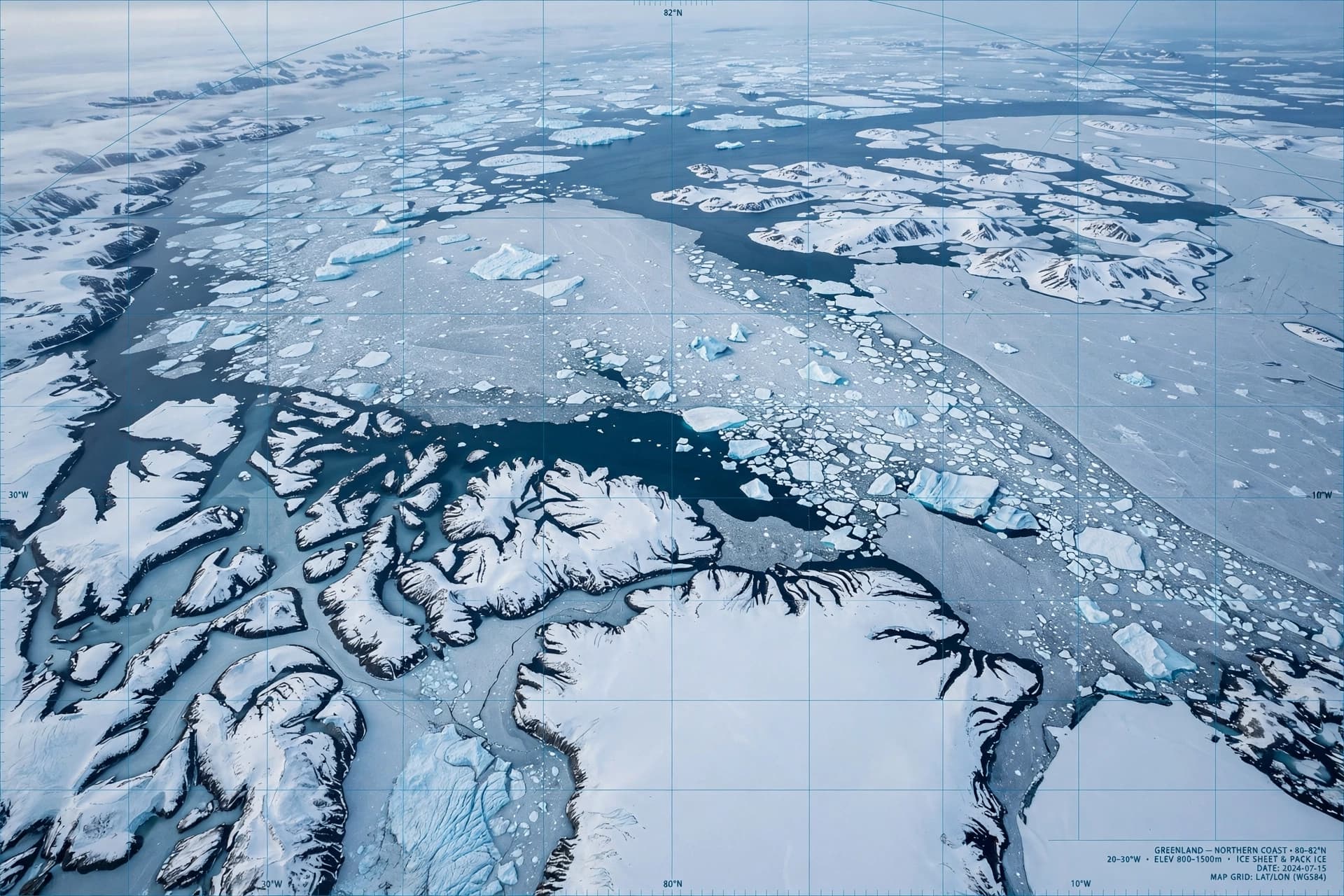
The Arctic has long been a region of quiet majesty, where ice and silence dominate the landscape. Yet, beneath this serene exterior lies a growing strategic importance that is reshaping global alliances. Recent announcements from Copenhagen suggest that the burden of securing this vast, frozen frontier is no longer to be borne by Denmark alone. By inviting NATO into the fold of Arctic security through a new agreement involving Greenland, Denmark is acknowledging a shift in geopolitical realities, one where shared responsibility becomes the cornerstone of stability in an increasingly contested environment.
The decision comes at a time when the melting ice caps are opening new shipping routes and access to natural resources, drawing the attention of major powers. For decades, the Arctic was viewed primarily through the lens of scientific inquiry and environmental preservation. Now, it is emerging as a theater of strategic competition, where military presence and diplomatic agreements play pivotal roles. The new deal, expected to be formalized at the United Nations General Assembly, marks a significant evolution in how the region’s security is perceived and managed by its stakeholders.
Danish officials have emphasized that this arrangement does not diminish their sovereignty but rather strengthens it through collective defense. By integrating NATO’s capabilities with national efforts, Denmark aims to ensure that Greenland remains secure against potential threats while maintaining its unique cultural and political identity. This approach reflects a pragmatic understanding of modern security challenges, where isolation is no longer a viable option for nations guarding remote but strategically vital territories. The involvement of NATO brings with it a network of allies committed to the region’s stability.
The United States, a key player in this new framework, stands to gain permanent access and basing rights in Greenland. This expansion of American military presence has been a longstanding interest, driven by the desire to monitor activities in the North Atlantic and Arctic regions. For Washington, the agreement represents a strategic victory, allowing for greater vigilance in an area that is becoming increasingly accessible due to climate change. The deal balances American strategic interests with Danish and Greenlandic concerns about autonomy and local impact.
Critics may question the militarization of the Arctic, worrying that increased military activity could disrupt the fragile ecosystem and indigenous communities. However, proponents argue that a strong security presence is necessary to protect the region from illegal activities and to ensure safe passage for commercial vessels. The challenge lies in balancing these security needs with environmental stewardship and respect for the rights of local populations. The agreement includes provisions aimed at addressing these concerns, though skepticism remains among some advocacy groups.
For Greenland, the deal offers economic opportunities through increased investment and infrastructure development. The promise of enhanced security may also attract further international interest in the island’s resources, potentially boosting its economy. However, there are concerns about the social and cultural impacts of a larger foreign military presence. Local leaders have stressed the importance of ensuring that any benefits are shared equitably and that their voices are heard in decisions affecting their homeland.
The broader implications for NATO are significant, as the alliance expands its focus beyond traditional European theaters. This move signals a recognition that security challenges are global and interconnected, requiring a flexible and adaptive response. By taking on responsibility in the Arctic, NATO demonstrates its commitment to protecting member states’ interests in all regions, including those that were previously considered peripheral. This expansion may set a precedent for future engagements in other strategic areas around the world.
As the agreement moves toward finalization, the international community will be watching closely to see how it is implemented. The success of this partnership will depend on effective cooperation between Denmark, Greenland, the United States, and other NATO allies. It will require ongoing dialogue and transparency to address any emerging issues and to ensure that the region remains a zone of peace and cooperation rather than conflict. The Arctic’s future is being written now, and this deal is a crucial chapter in that narrative.
The new security arrangement for Greenland represents a significant step in the evolving geopolitics of the Arctic. By sharing responsibility with NATO, Denmark seeks to balance sovereignty with security in a changing world. As the ice melts and new opportunities arise, the need for collaborative governance and mutual respect will be more important than ever for the stability of this critical region.
AI Image Disclaimer: The visual elements accompanying this piece are artificially generated to reflect the thematic essence of the Arctic security discussion.
Sources: Reuters The Guardian Politico Al Jazeera
Published by Banx Network. This article is part of the Banx decentralized media programme, powered by the BXE token on the XRP Ledger.