In the intricate dance of international diplomacy, gestures often carry as much weight as treaties. Recently, the European Union extended an invitation to Canada to explore "associate membership," a proposal that resonates more with political sentiment than immediate legal reality. This offer, while symbolic, hints at a shifting geometry in global alliances, where traditional boundaries are being redrawn by shared values and strategic necessity. It is a moment of reflection on how nations seek connection in an increasingly fragmented world. The concept of associate membership is not currently defined in EU law, making the offer largely aspirational. For Brussels, it serves as a signal of solidarity with Ottawa, particularly amid changing dynamics in North American trade relations. By inviting Canada into its orbit, the EU is reinforcing a community of democracies that prioritize rule of law, human rights, and multilateral cooperation. It is a diplomatic embrace that seeks to strengthen ties without the immediate complexity of full accession.
For Canada, the offer provides an opportunity to diversify its international partnerships. As global supply chains and security alliances evolve, having a foot in the European door offers strategic flexibility. Prime Minister Mark Carney has described the potential relationship as a "unique alliance," emphasizing complementary strengths and shared priorities. This narrative frames the partnership not just as economic, but as a broader alignment of vision and purpose.
However, the practical hurdles are significant. Integrating a non-European nation into the EU’s institutional framework would require unprecedented legal and political adjustments. Questions about voting rights, budget contributions, and regulatory alignment remain unanswered. The "mood" of the offer reflects a desire for closer cooperation, but the "reality" involves navigating a labyrinth of bureaucratic and constitutional challenges that cannot be resolved overnight.
Despite these obstacles, the dialogue itself is valuable. It opens channels for deeper collaboration in areas such as security, technology, and climate change. Even without formal membership, Canada and the EU can enhance their existing Comprehensive Economic and Trade Agreement (CETA) and expand cooperation in new domains. The process of negotiation can yield benefits regardless of the final destination, fostering trust and mutual understanding.
The offer also signals a potential shift in the EU’s own identity. By considering associates from outside Europe, the bloc may be exploring a more flexible model of integration. This "future geometry" could allow for varying degrees of participation, creating a concentric circle of influence rather than a rigid binary of member and non-member. It is an experiment in adaptability, responding to a world where alliances are no longer strictly geographical.
Public reaction in both regions has been mixed, with some viewing the offer as a genuine step forward and others as mere rhetoric. Yet, in diplomacy, symbolism often paves the way for substance. The conversation initiated by this proposal keeps the idea of transatlantic unity alive, reminding citizens of the enduring bonds between Europe and North America. It is a reminder that relationships, like institutions, must evolve to survive.
The EU’s offer of associate membership to Canada is a gesture rich in symbolic meaning, even if its legal path remains unclear. It highlights a desire for deeper transatlantic cooperation and suggests a more flexible future for the European project. As discussions continue, the focus will likely shift from status to substance, building a partnership that serves both parties’ interests.
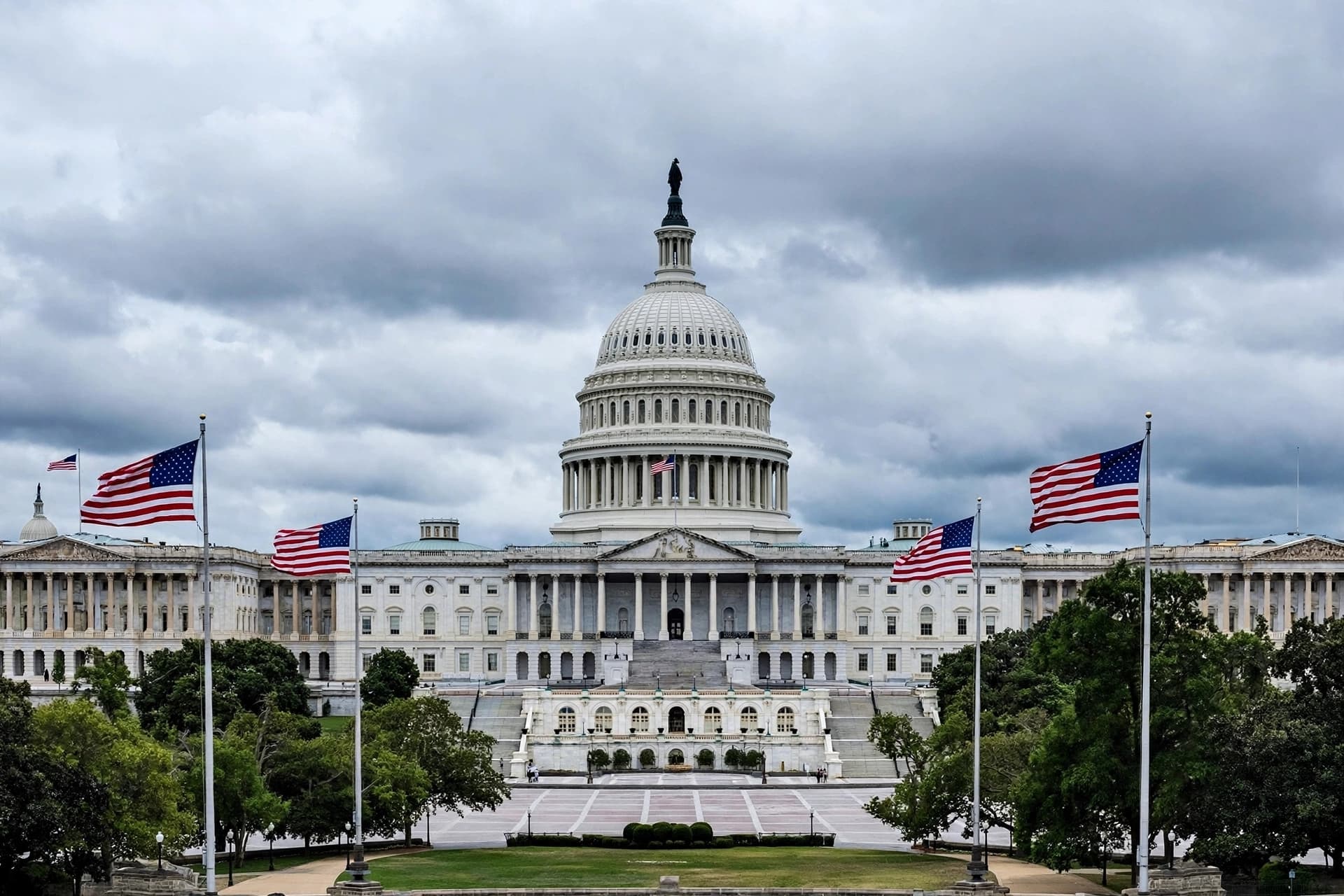
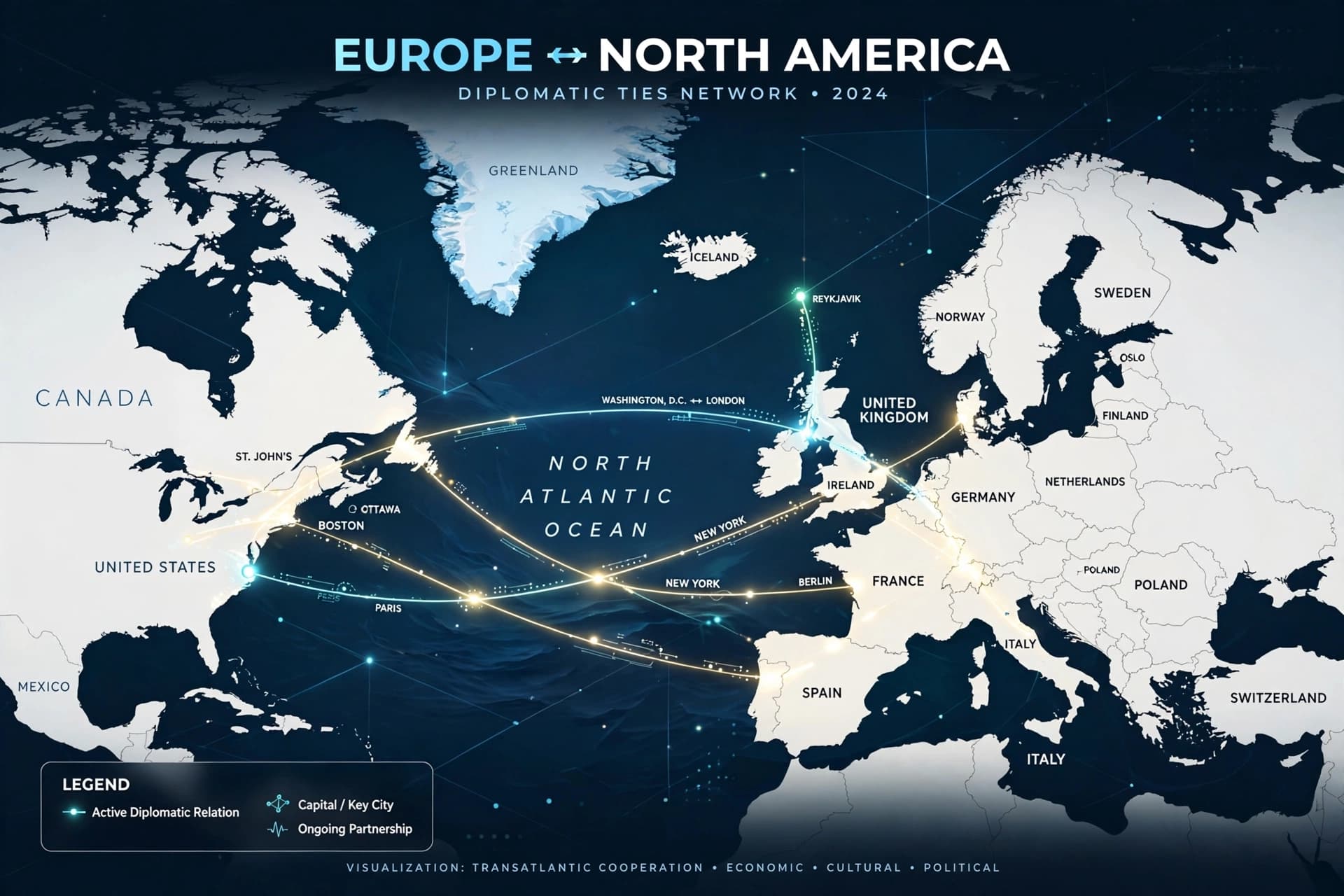
AI Image Disclaimer: The visual elements in this article are AI-generated illustrations depicting diplomatic themes and global maps, not actual photographs of political leaders or signing ceremonies.
Sources: The Guardian The New York Times Time Magazine
Published by Banx Network. This article is part of the Banx decentralized media programme, powered by the BXE token on the XRP Ledger.