In the gentle quiet of an ordinary day, the small hum of movement sometimes foreshadows a broader breeze. In marketplaces where life unfolds in thousands of subtle exchanges, the way we pay can carry meaning far beyond the simple transfer of value. Just as a river begins with currents barely visible on the surface, the adoption of cryptocurrency as a payment method may seem only a ripple today — yet beneath it, a current is growing stronger. For merchants and consumers alike, this evolution is both practical and reflective of shifting expectations about speed, choice, and modern commerce.
According to a new survey released jointly by PayPal and the National Cryptocurrency Association, about 4 in 10 U.S. merchants now accept cryptocurrency payments at checkout — a number that would have seemed improbable only a few years ago. While much of retail still runs on familiar rails, the data suggest that digital assets have begun to weave themselves into the tapestry of everyday commerce, especially where consumer interest runs high. Nearly nine out of ten surveyed businesses reported receiving inquiries from customers about paying with crypto, signaling that demand is not abstract but grounded in real interactions at the point of sale.
What may feel like a fresh change in the cadence of commerce is driven less by speculation and more by practicality. Merchants who have already integrated crypto payments say the benefits extend beyond novelty: some report that digital transactions represent more than a quarter of their total sales, and a large majority observe that crypto sales have risen over the past year. This reflects a deeper theme in modern payments — flexibility. In an era when consumers seek speed, security, and diverse transaction options, businesses are responding not only to the technology itself but to the people who use it.
Interestingly, the survey finds that the journey toward acceptance is not uniform across all businesses. Larger enterprises — those with annual revenues above $500 million — appear to be at the forefront, with roughly half of these companies already offering crypto payment options. This greater willingness among bigger players may be tied to their capacity to experiment with new systems and absorb the initial complexity. Smaller and midsize enterprises are also exploring these options, but their adoption rates remain lower, perhaps reflecting the learning curve and resource constraints that often accompany emerging technologies.
Yet the current landscape is not simply a story of size and capability. A broader sentiment unites many business leaders: a belief that crypto payments will be commonplace within the next few years. Nearly 85 % of surveyed decision‑makers expect digital currency payments to become a standard feature of commerce within the next five years, a forecast that invites reflection on how habits evolve with infrastructure and trust. This is not mere optimism — it is grounded in conversations with customers and careful observation of how people interact with payment choices in a digital age.
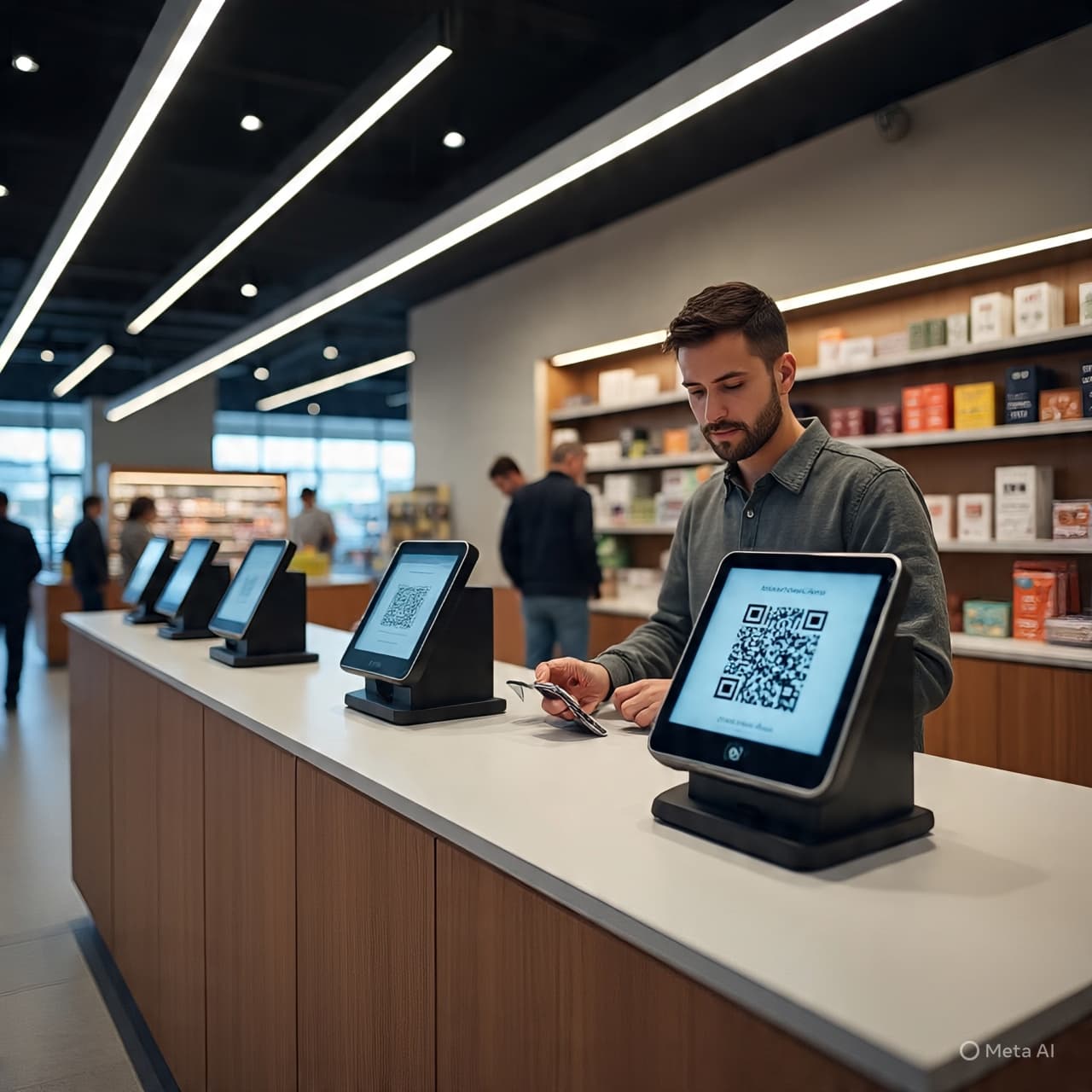
Behind these numbers lie everyday scenes: a traveler choosing to spend digital assets for a hotel booking, a young buyer in a coffee shop scanning a QR code with a crypto wallet, or an online shopper clicking “pay with crypto” as easily as any other button at checkout. These are small but significant moments where financial innovation meets ordinary life, where an idea once niche begins to feel familiar.
In such transitions, history reminds us that adoption rarely happens in a straight line. It bends and curves with cultural trends, regulatory frameworks, and individual preferences. What feels experimental today may be routine tomorrow — much as credit cards once felt novel before becoming ubiquitous. The current shift toward crypto at the point of sale reflects a broader interplay between technology, economics, and human behavior, a gentle evolution rather than a sudden revolution.
In straight news terms, a PayPal‑commissioned survey finds that nearly 40 % of U.S. merchants already accept cryptocurrency payments at checkout, driven by customer demand and growth in crypto‑related sales, with larger businesses leading adoption and most merchants expecting crypto to become a common payment method in the next five years.
AI Image Disclaimer
Visually generated using AI tools and intended purely for illustrative purposes.
---
Sources
The Block
PayPal corporate newsroom
Digital Transactions
Bitcoin Magazine
ChainStoreAge
Published by Banx Network. This article is part of the Banx decentralized media programme, powered by the BXE token on the XRP Ledger.