
Key Highlights
- US-Iran talks concluded in Oman, signaling potential diplomatic progress.
- Oman’s neutral stance facilitated discussions on nuclear deal and sanctions relief.
- Both nations face internal pressures impacting their negotiation strategies.
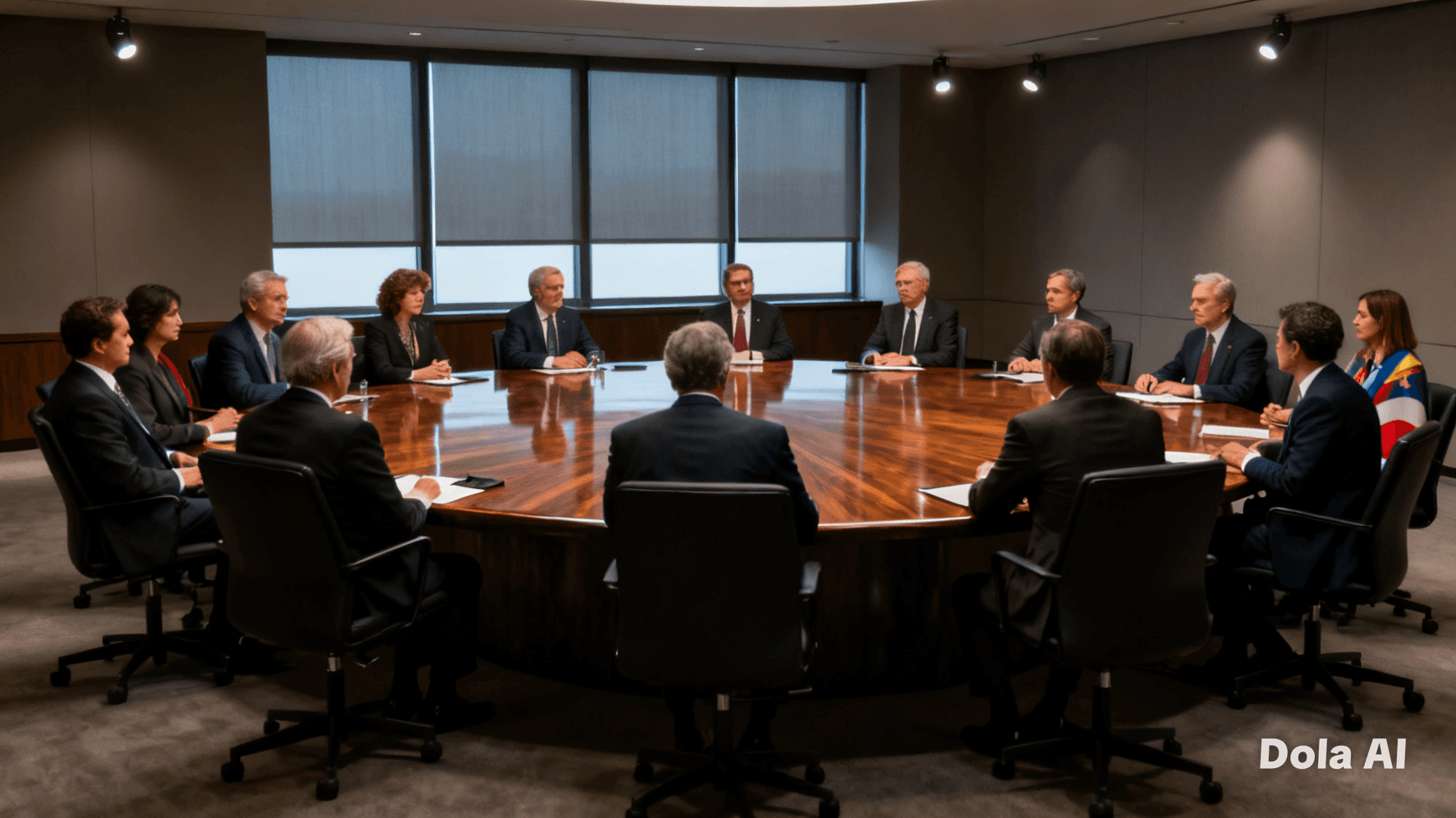
The recent high-stakes talks between the United States and Iran in Oman have concluded, marking a significant moment in the long-standing and often tumultuous relationship between the two nations. Conducted behind closed doors, these discussions could potentially pave the way for a new chapter in Middle East diplomacy, particularly concerning Iran's nuclear ambitions and regional stability.
Oman, recognized for its neutral diplomatic stance, served as an ideal venue for these delicate negotiations. The country has a history of mediating between adversarial states, allowing both the US and Iran to engage in dialogue away from the intense scrutiny of international politics. This unique setting provided a rare opportunity for both sides to address their differences and explore potential compromises.
The backdrop of these talks is critical, as they occurred amidst heightened concerns regarding Iran's nuclear program and its involvement in various regional conflicts. The US's primary objective remains the revival of the nuclear deal, formally known as the Joint Comprehensive Plan of Action (JCPOA), which Iran has gradually scaled back since the US's withdrawal in 2018. The Biden administration is keen to re-engage in diplomacy, viewing a return to the nuclear deal as a key foreign policy goal. However, the challenges are substantial, with pressure from regional allies like Israel and Saudi Arabia, who perceive Iran's nuclear aspirations as a direct threat to their security.
On the Iranian side, the talks likely focused on the urgent need for sanctions relief, which is crucial for stabilizing its economy, severely impacted by years of international isolation. Economic recovery is closely tied to the fate of the nuclear deal; lifting sanctions would enable Iran to resume oil exports and gain access to the global financial system. In exchange, Iran would be expected to limit its nuclear activities and comply with international oversight.
For the US, the stakes extend beyond nuclear non-proliferation. A stable and cooperative Iran could help mitigate some of the region's most persistent conflicts, particularly in Syria, Yemen, and Iraq. However, internal political dynamics complicate this goal. Hardline factions within the US Congress, particularly among Republicans and some conservative Democrats, oppose any concessions to Tehran, citing its support for militant groups and destabilizing actions in the region.
Oman's role as a mediator is crucial in this diplomatic endeavor. The Sultan's diplomatic acumen has been recognized internationally, and his ability to navigate the complexities of US-Iran relations has been instrumental in facilitating these talks. Oman’s established connections with both nations allowed it to create a conducive environment for dialogue, free from the pressures of public scrutiny and political posturing.
As the talks conclude, several pressing questions remain. Did the US and Iran achieve any tangible progress toward a new nuclear deal? Is there a viable path forward for de-escalation in the region? Most importantly, will both sides take the necessary steps to prevent nuclear proliferation, which could destabilize the Middle East and have far-reaching global implications?
The political realities on both sides are formidable. Iran's leadership grapples with the dual pressures of seeking economic relief while maintaining national pride and sovereignty. Meanwhile, the US must balance its commitments to global security and human rights with the pragmatic need to prevent a nuclear arms race in the region.
Despite the challenges, these talks represent a critical opportunity for both nations to engage in meaningful diplomacy. While the outcome remains uncertain, the conclusion of this round of discussions in Oman could be a pivotal moment in reshaping US-Iran relations and fostering a more stable Middle East.
Published by Banx Network. This article is part of the Banx decentralized media programme, powered by the BXE token on the XRP Ledger.



