
Key Highlights
- Taipan venom is now used in a new blood collection tube, RAPClot.
- The product was launched in Japan in 2026, enhancing medical diagnostics.
- Collaboration between University of Queensland and Q-Sera showcases Australia's biotech innovation.
The natural world often conceals its most powerful remedies in the very creatures we fear. Among these is the Taipan, a snake native to Australia, known for its potent venom that can incapacitate its prey in mere seconds. However, recent advancements led by Emeritus Professor Martin Lavin and his team at the University of Queensland have transformed this lethal substance into a life-saving medical tool. In 2026, the RAPClot blood collection tube, derived from Taipan venom, was successfully launched in Japan, marking a significant milestone in the intersection of nature and medicine.
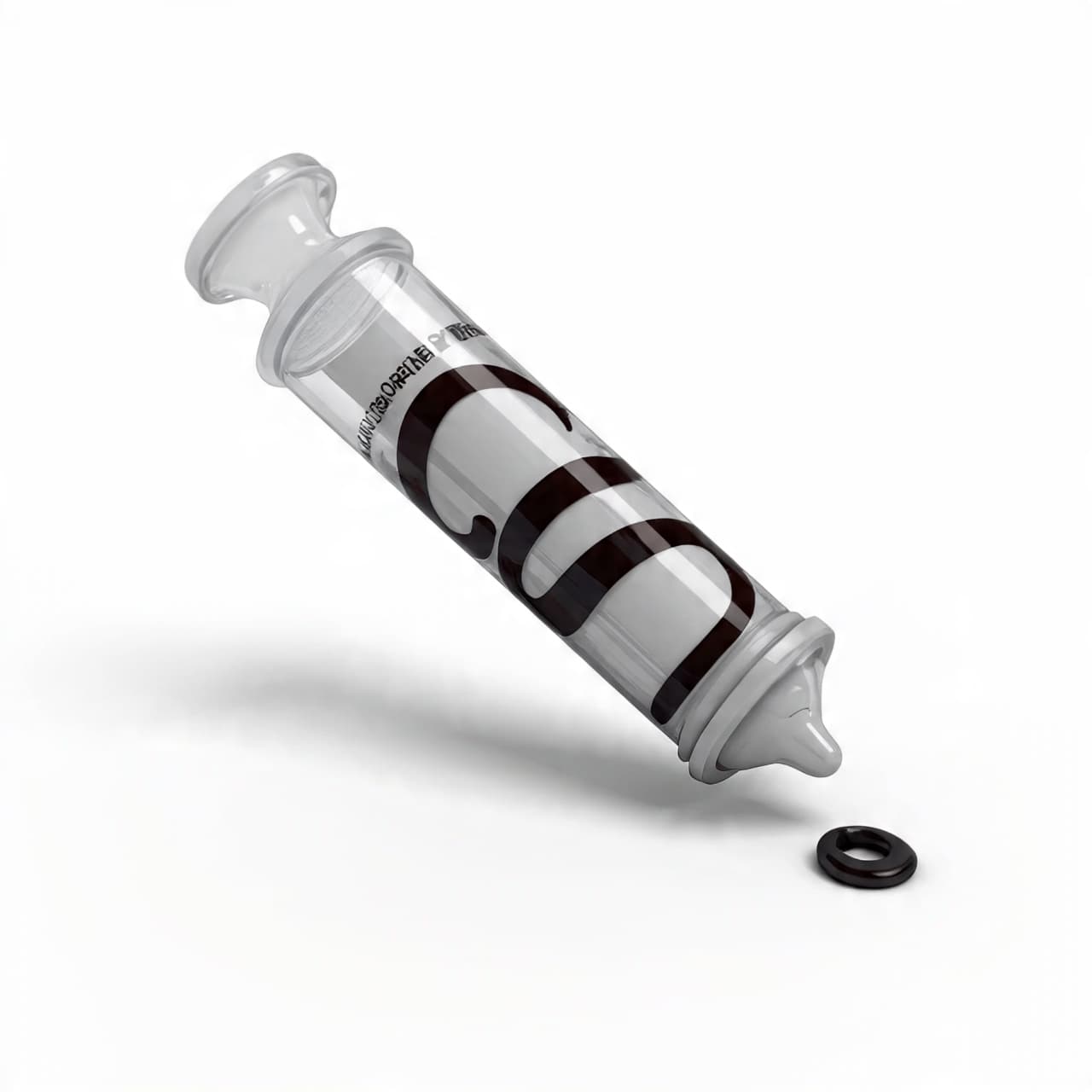
The innovation centers around a specific protein in the Taipan's venom that facilitates rapid blood clotting. By isolating this protein, researchers have developed a blood collection tube that enables near-instantaneous clotting, significantly improving efficiency in clinical settings. This breakthrough is not just a scientific achievement; it represents a profound shift in how we perceive the relationship between dangerous wildlife and human health. In bustling pathology labs across Tokyo and Osaka, the RAPClot tube is already making a difference, saving critical time in patient treatment.
The journey from venom to medical product is a testament to the dedication and perseverance of researchers. The process involves extensive testing to ensure that the venom's harmful effects are neutralized while retaining its beneficial properties. This meticulous approach honors the complexity of Australia's unique biodiversity, revealing that the outback is not merely a realm of danger but a treasure trove of potential medical solutions.
The partnership between the University of Queensland and the Melbourne-based biotech firm Q-Sera exemplifies the strength of Australia's biotechnology sector. This collaboration bridges academic research with practical applications in the global healthcare market. By licensing the intellectual property derived from Taipan venom, the team has demonstrated that university research can lead to tangible products that benefit people worldwide. The Taipan, once viewed as a symbol of fear, is now an unexpected ally in the fight for public health.
As the sun sets over the Brisbane River, the successful launch of the RAPClot tube serves as a reminder of the importance of preserving our natural heritage. Each species we protect holds the potential for future discoveries, waiting to be unlocked. This research does not aim to conquer the snake but rather to learn from its evolutionary prowess. In the laboratory, the venom's lethal nature is transformed into a beacon of hope for medical recovery.
The commercial introduction of the RAPClot tube signifies a pivotal moment in translational medicine for the University of Queensland. By offering a faster and more reliable method for processing blood samples, this technology enhances diagnostic accuracy, particularly in cardiovascular emergencies. This achievement reinforces Australia's status as a leader in venom research and biotechnology, showcasing the remarkable potential of nature's most feared creatures in advancing human health.
Published by Banx Network. This article is part of the Banx decentralized media programme, powered by the BXE token on the XRP Ledger.



