
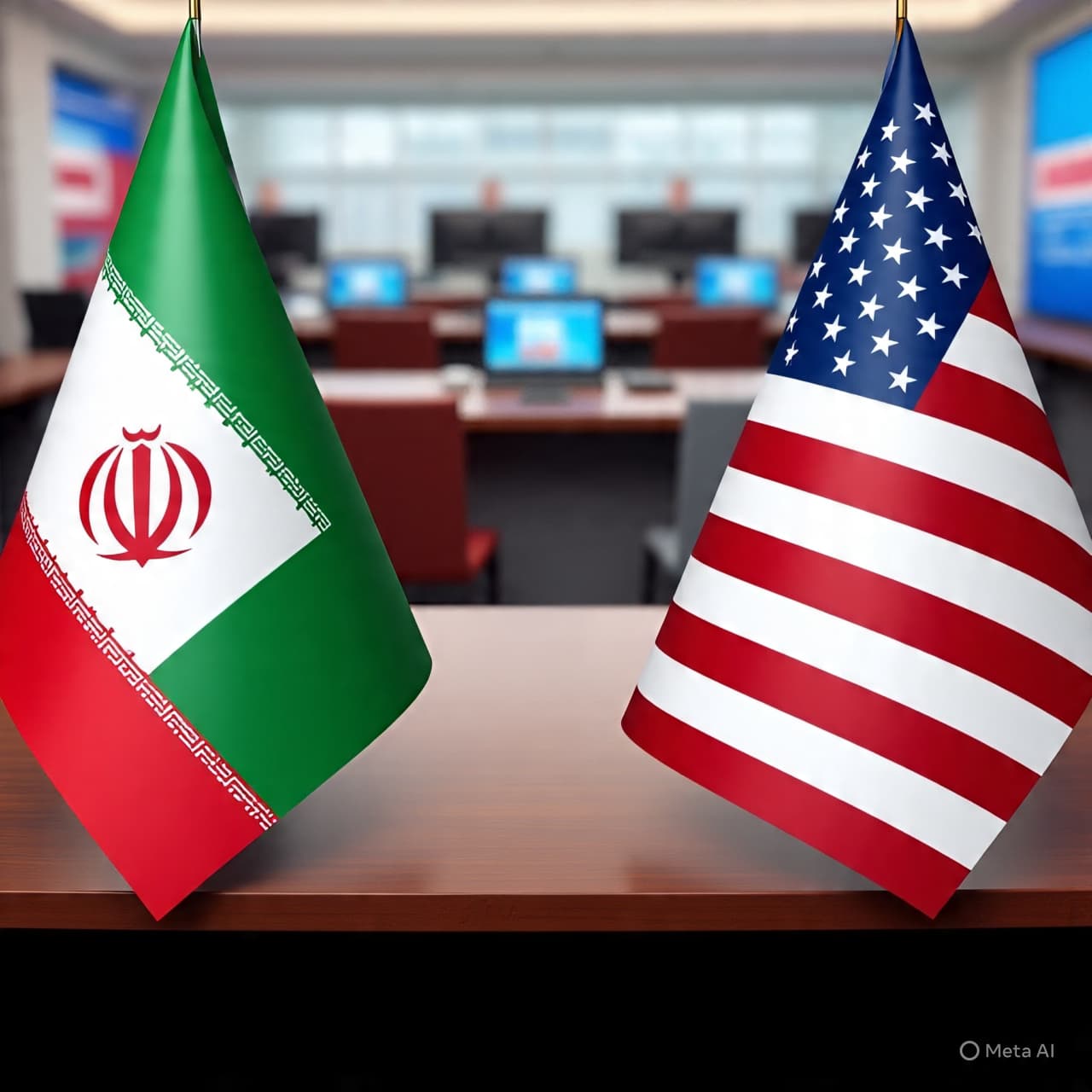
Key Highlights
- Mojtaba Khamenei has emerged as Iran's Supreme Leader, stirring geopolitical concerns.
- Former President Donald Trump expresses skepticism towards Iran's leadership transition.
- The rise of Khamenei symbolizes continuity amid regional tensions and sanctions.
Mojtaba Khamenei's ascension to the role of Supreme Leader in Iran marks a significant shift in the political landscape of the Middle East. As the son of the long-standing leader Ayatollah Ali Khamenei, Mojtaba has been a figure of intrigue and speculation within Iranian political circles. His rise has not only captured the attention of Iranian citizens but has also drawn the gaze of international observers, particularly in Washington, where reactions have been far from favorable.
Former U.S. President Donald Trump has been vocal about his disapproval of the new leadership in Iran. His administration's approach to Iran was characterized by a hardline stance, including the withdrawal from the nuclear agreement and the imposition of stringent economic sanctions. Trump's rhetoric has consistently framed Iran as a significant threat to regional stability, and the emergence of Mojtaba Khamenei is unlikely to alter this perception.
Analysts suggest that Mojtaba Khamenei's influence within Iran's political and religious spheres has been substantial, despite his relatively low public profile. His close ties to the Revolutionary Guard and the clerical establishment position him as a key player in maintaining the status quo within the Islamic Republic. For many Iranian conservatives, his leadership is seen as a stabilizing force, crucial for navigating the complexities of both domestic and international challenges.
However, the narrative surrounding Mojtaba's rise is not universally accepted. Critics in the United States and elsewhere view this transition as indicative of the entrenched power structures within Iran. They argue that the succession reflects a continuity of authoritarian governance that poses ongoing challenges to democratic movements and human rights within the country. This skepticism is compounded by the broader geopolitical tensions that characterize U.S.-Iran relations.
The implications of Mojtaba Khamenei's leadership extend beyond Iran's borders. The geopolitical chessboard is shifting, with each move in Tehran resonating through diplomatic channels in Washington, Jerusalem, and beyond. As the world watches, the reactions from global leaders will shape the narrative surrounding Iran's future and its interactions with the international community.
In this context, the rise of Mojtaba Khamenei is emblematic of the delicate balance of power in the Middle East. While his supporters advocate for stability and continuity, critics warn of the potential for increased isolation and confrontation. The coming months will be crucial in determining how this leadership transition will influence Iran's domestic policies and its foreign relations, particularly with the United States.
As the situation unfolds, it remains to be seen whether Mojtaba Khamenei can navigate the turbulent waters of Iranian politics while addressing the pressing challenges posed by economic sanctions and regional rivalries. The world will be watching closely, as the implications of his leadership could reverberate far beyond Iran's borders.
Published by Banx Network. This article is part of the Banx decentralized media programme, powered by the BXE token on the XRP Ledger.



