
Key Highlights
- Bohemian glass industry reports 20% growth in export value in Q1 2026.
- New technologies like electric kilns and fiber optics are transforming traditional glassmaking.
- The International Glass Symposium in Nový Bor sees record participation, showcasing innovation.
The Bohemian glass industry, renowned for its exquisite craftsmanship, is experiencing a remarkable revival in 2026. This resurgence is not merely a return to traditional methods but a harmonious blend of age-old techniques with cutting-edge technology. In the picturesque towns of Nový Bor and Kamenický Šenov, artisans are embracing innovations that enhance their craft while preserving the essence of Bohemian glass, often referred to as the "crystal of kings."
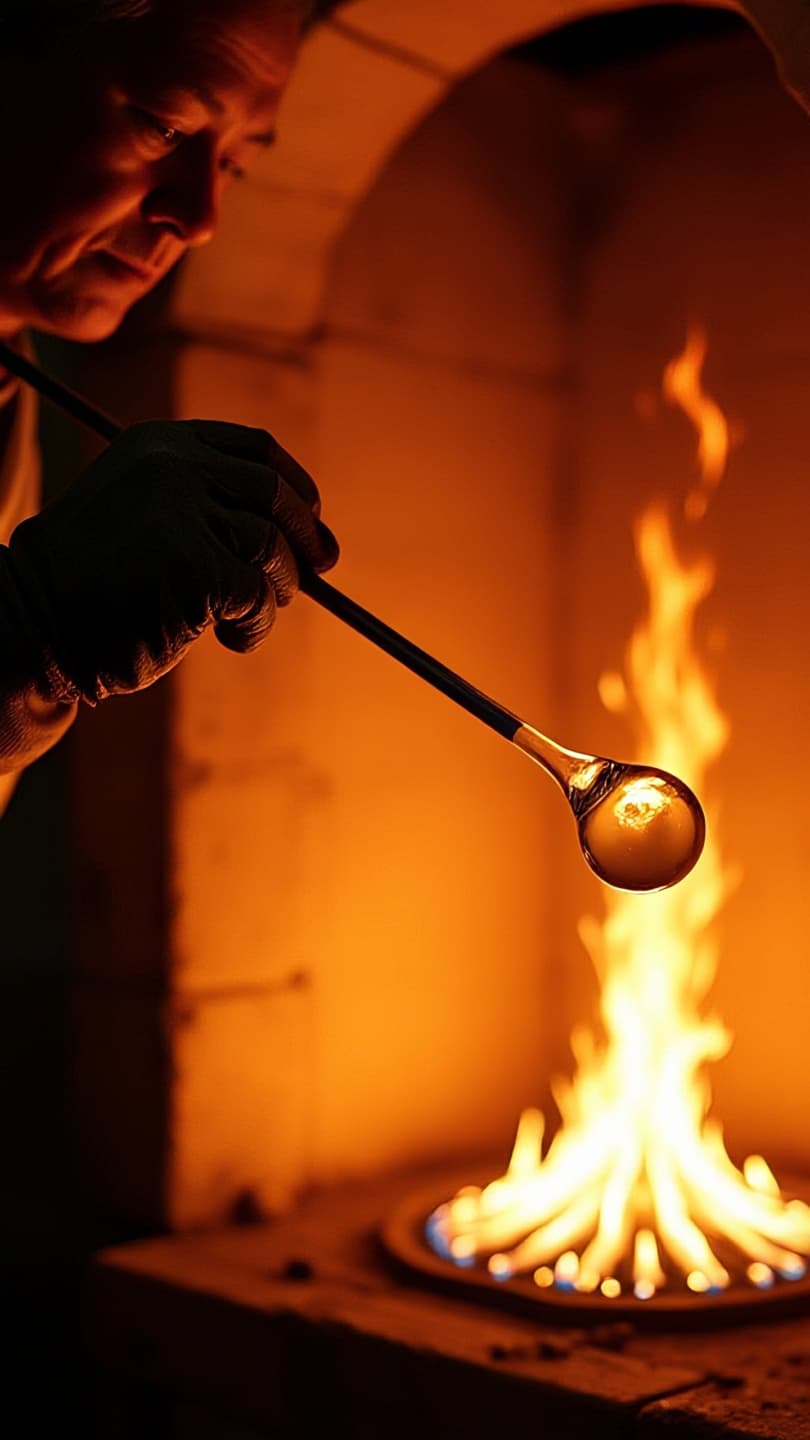
As spring unfolds, the atmosphere in the glass studios is charged with creativity and precision. Master glassblowers, skilled in the art of manipulating molten glass, now work alongside advanced machinery, including robotic arms and precision lasers. This integration of technology does not replace the artisan's touch; rather, it amplifies their capabilities, allowing for intricate designs and enhanced structural integrity that were previously unattainable. The result is a new era of functional art that captivates both collectors and architects alike.
The focus of the Bohemian glass industry has shifted towards creating pieces that marry luxury with functionality. No longer limited to traditional chandeliers, Czech glassmakers are now producing innovative light-emitting surfaces and architectural installations that interact with their surroundings. By incorporating fiber optics and smart sensors, these glass creations transcend mere decoration, becoming dynamic components of modern architecture. This evolution reflects a broader trend where art and utility converge, creating what is termed the "luminous object."
A pivotal aspect of this revival is the new generation of designers who are reinterpreting traditional glassmaking techniques. They are applying ancient methods of cutting and engraving to contemporary, minimalist designs, attracting a global audience. This shift not only revitalizes the craft but also positions Bohemian glass as a symbol of sustainable luxury in an age dominated by mass-produced goods. The craftsmanship involved in creating these pieces serves as a counterpoint to the disposable culture prevalent today, showcasing the enduring value of artisanal work.
In design academies across the region, discussions are increasingly centered on sustainability and energy efficiency. The glassmaking process is evolving, with a focus on reducing carbon footprints while maintaining the unique clarity of Bohemian glass. The transition to electric furnaces and the recycling of cullet—scrap glass—are crucial steps toward achieving carbon neutrality in production. This commitment to sustainability not only enhances the industry's reputation but also aligns with global trends towards environmentally responsible manufacturing.
The impact of this revival is palpable in the elegance of hand-cut glass pieces that capture and refract light beautifully. Each vase and installation is a testament to the skill and artistry of the glassmakers, embodying the spirit of the Bohemian forest from which they originate. As the industry continues to innovate, it remains grounded in the belief that certain elements of craftsmanship—like the steady hand and discerning eye—cannot be replicated by machines. In a world increasingly dominated by digital experiences, the tangible beauty of Czech crystal stands as a powerful reminder of the human touch in art.
The Bohemian glass industry has reported a significant 20% growth in export value for the first quarter of 2026, driven by a surge in demand for bespoke architectural glass and high-tech lighting installations. The "Crystal Valley" initiative has successfully launched a new digital certification system to guarantee the authenticity and sustainable production of Czech glass products.
Furthermore, the International Glass Symposium in Nový Bor has announced a record number of participants, highlighting the region's status as a global hub for glass innovation. The industry's shift toward carbon-neutral manufacturing continues with the opening of three new solar-powered electric kilns in the Liberec region.
Published by Banx Network. This article is part of the Banx decentralized media programme, powered by the BXE token on the XRP Ledger.



