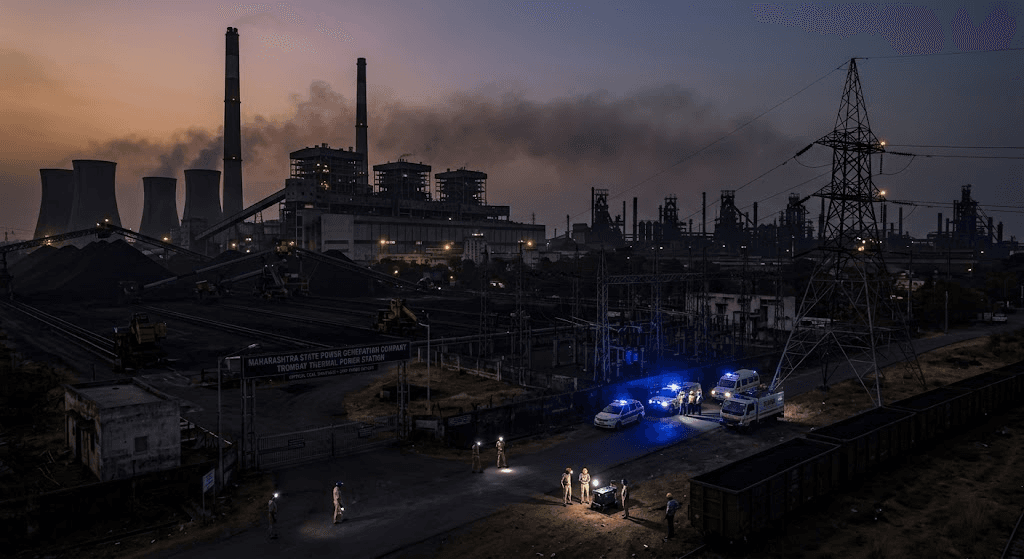
Energy security often feels like a distant concept—until its absence is felt. For much of Asia, where economies depend heavily on imported oil, stability in supply is less an abstraction and more a daily necessity. In this context, the possible departure of the from introduces a shift that some analysts view with cautious optimism.
The UAE has been expanding its oil production capacity, aiming to increase output significantly in the coming years. Outside the constraints of OPEC quotas, the country could potentially supply more crude oil to global markets, including major Asian importers such as , , and .
For these nations, greater supply diversity can reduce vulnerability to price spikes and geopolitical disruptions. The Strait of Hormuz, through which much of their oil passes, remains a critical concern, but increased production elsewhere may help offset risks.
Analysts note that a more independent UAE could pursue flexible pricing strategies, potentially offering competitive terms to Asian buyers. This could strengthen bilateral energy relationships and provide importers with additional negotiating leverage.
However, the broader implications depend on how global markets respond. If OPEC’s cohesion weakens, oil prices could become more volatile, introducing both opportunities and uncertainties for consumers.
Asian governments have been working to diversify energy sources, investing in renewables and alternative fuels. Yet oil continues to play a central role in transportation and industry, making supply stability a persistent priority.
The UAE’s strategic location and established export infrastructure position it as a key partner for Asia. Increased output could enhance its role as a reliable supplier in a shifting energy landscape.
At the same time, policymakers remain cautious. Energy security is shaped by multiple factors, including political stability, shipping routes, and global demand patterns.
As the situation develops, the potential benefits for Asia highlight how shifts in one region can ripple across others. In energy, as in many areas, change rarely travels alone.
AI Image Disclaimer Visuals are created with AI tools and are not real photographs.
Source Check Bloomberg, Reuters, Nikkei Asia, Financial Times, CNBC
Published by Banx Network. This article is part of the Banx decentralized media programme, powered by the BXE token on the XRP Ledger.