For decades, debates over school choice in the United States have largely unfolded at the state level. Now a new federal framework is bringing the issue into Washington's tax system, with the Treasury Department releasing proposed rules for what officials describe as the nation's first nationwide federal school-choice tax-credit program. The rules provide the clearest picture yet of how the program is expected to work when it launches next year.
The program, known as the Education Freedom Tax Credit or Federal Scholarship Tax Credit, is scheduled to begin January 1, 2027. Under the proposed regulations, taxpayers can receive a dollar-for-dollar federal income-tax credit for qualifying donations to scholarship-granting organizations, with an annual limit of $1,700 for individuals and $3,400 for married couples filing jointly.
Those scholarship organizations will distribute funds to eligible students for approved education expenses. Private-school tuition is among the permitted uses, while students attending public schools may also use scholarship funds for expenses such as tutoring, books, supplies and certain supplementary educational services. The rules also provide circumstances under which home-school students can participate.
Eligibility is tied to household income and state participation. Students can qualify when their household income is no more than 300% of the area's median gross income, with automatic eligibility for children in certain means-tested assistance programs and children in foster care. But a student can receive the scholarships only if the state has opted into the federal program.
The new regulations also place limits on how much states can control participating scholarship organizations. States cannot impose additional restrictions that prevent certain types of schools or education expenses from qualifying beyond the federal requirements. Scholarship-granting organizations must meet federal standards, including nonprofit status, spending requirements and annual independent audits.
The framework has drawn sharply different responses. Supporters say the tax credit could expand educational options and make it easier for families to obtain private-school scholarships or additional academic services. Critics, including public-education advocates and civil-rights groups, have raised concerns about whether the program could redirect resources toward private education and whether public money could support religious or other private institutions.
The financial scale of the program is also becoming clearer. Education Week reported that the administration expects the initiative to involve billions of dollars in scholarship funding, while Treasury estimates a substantial federal revenue impact over the coming decade. Because the program operates through tax credits rather than a conventional direct federal education grant, its financial effects will unfold through both taxpayer donations and federal tax collections.
The regulations are proposed rather than final. They are open for public comment through the end of November, while states have until January 1, 2027, to opt in for their students to participate. Scholarship-granting organizations will then face additional administrative deadlines before the program becomes operational.
The release of the rules moves the federal school-choice program from legislation toward implementation. What remains is the practical test: how states, scholarship organizations, schools and families use the framework once the program begins, and what questions emerge as the new system becomes part of the nation's education landscape.
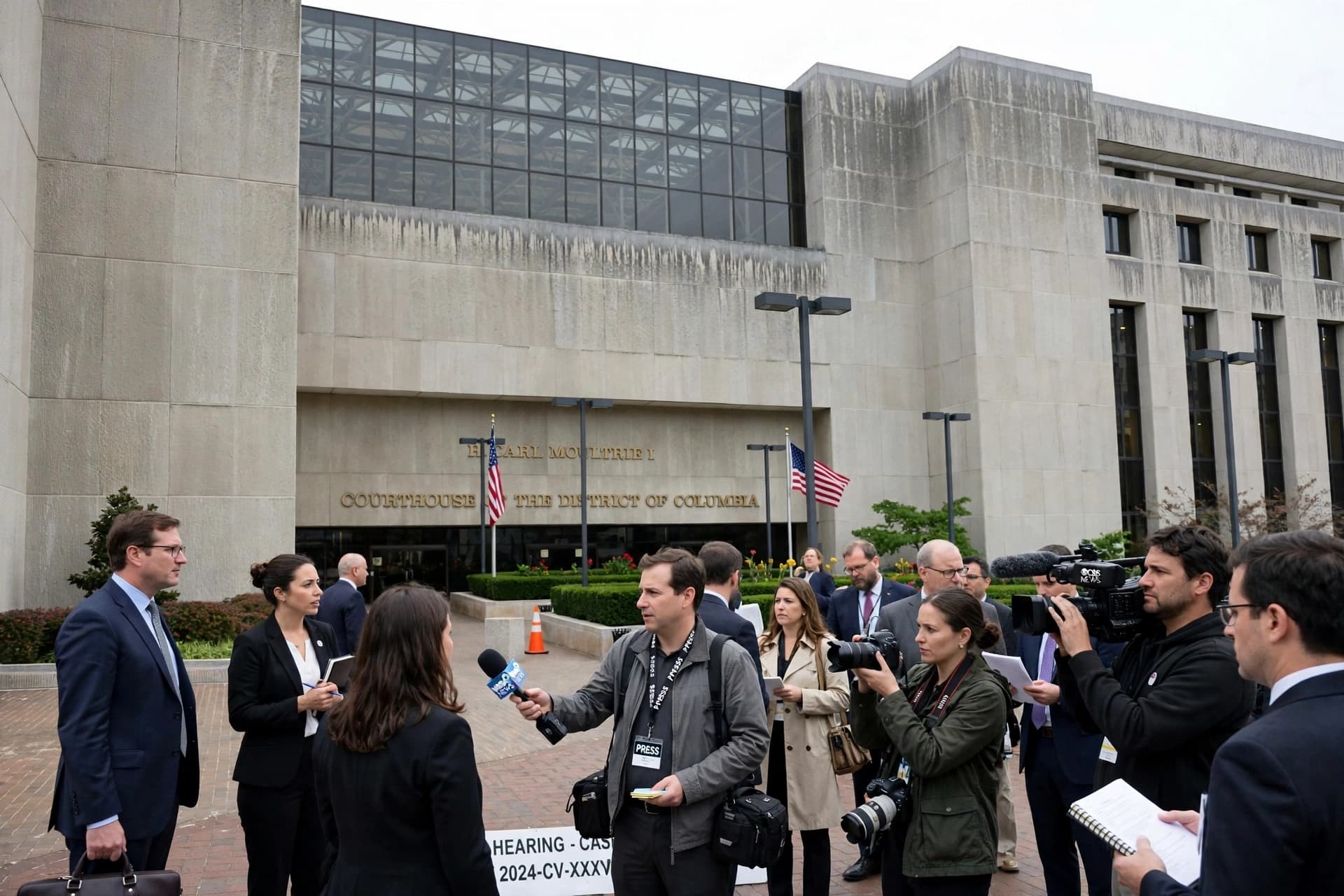
AI Image Disclaimer: Any accompanying visual is AI-generated and is intended only as an editorial illustration, not as a photograph of an actual school or government event.
Sources: The Washington Post Education Week U.S. Department of the Treasury K-12 Dive Carolina Journal
Published by Banx Network. This article is part of the Banx decentralized media programme, powered by the BXE token on the XRP Ledger.