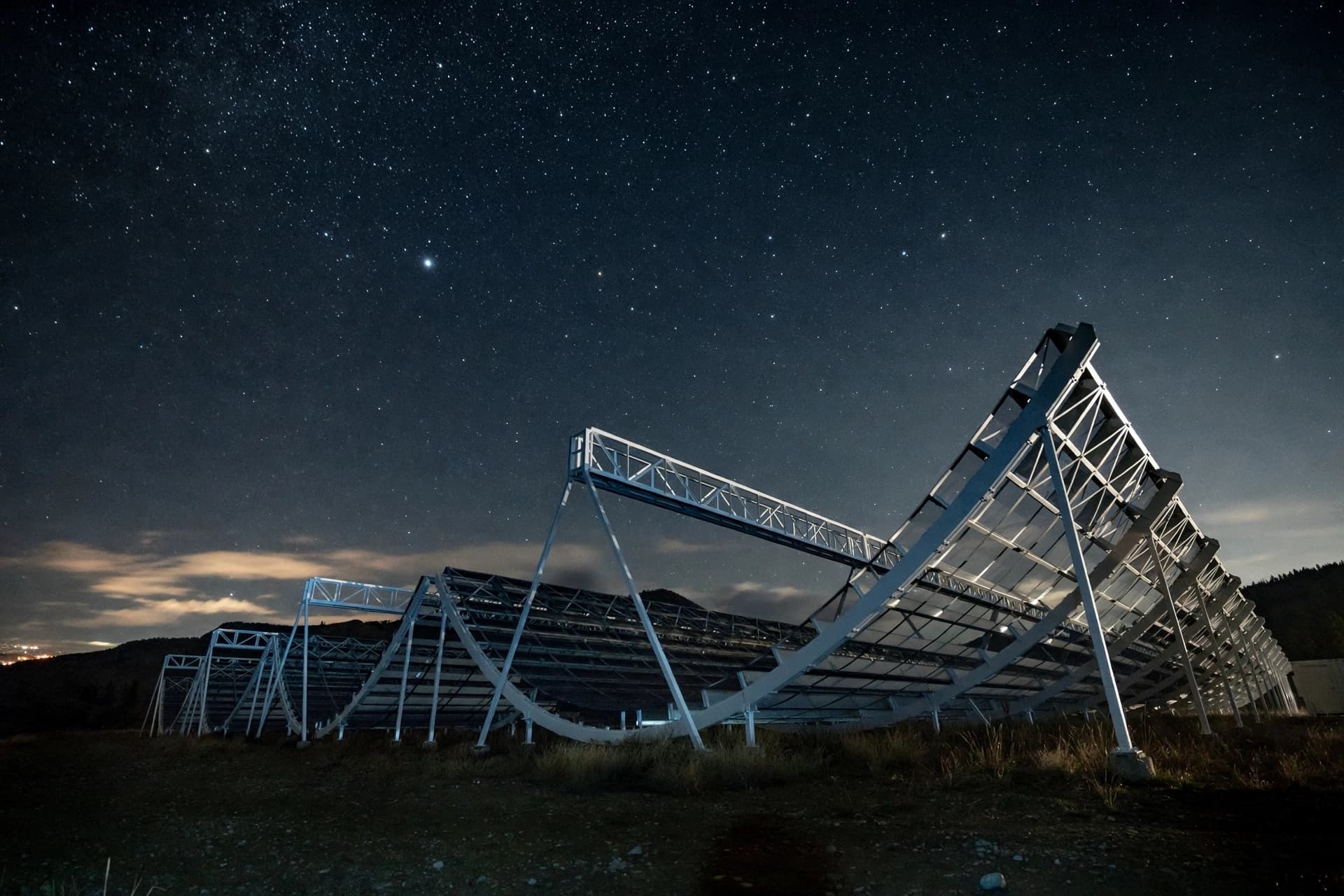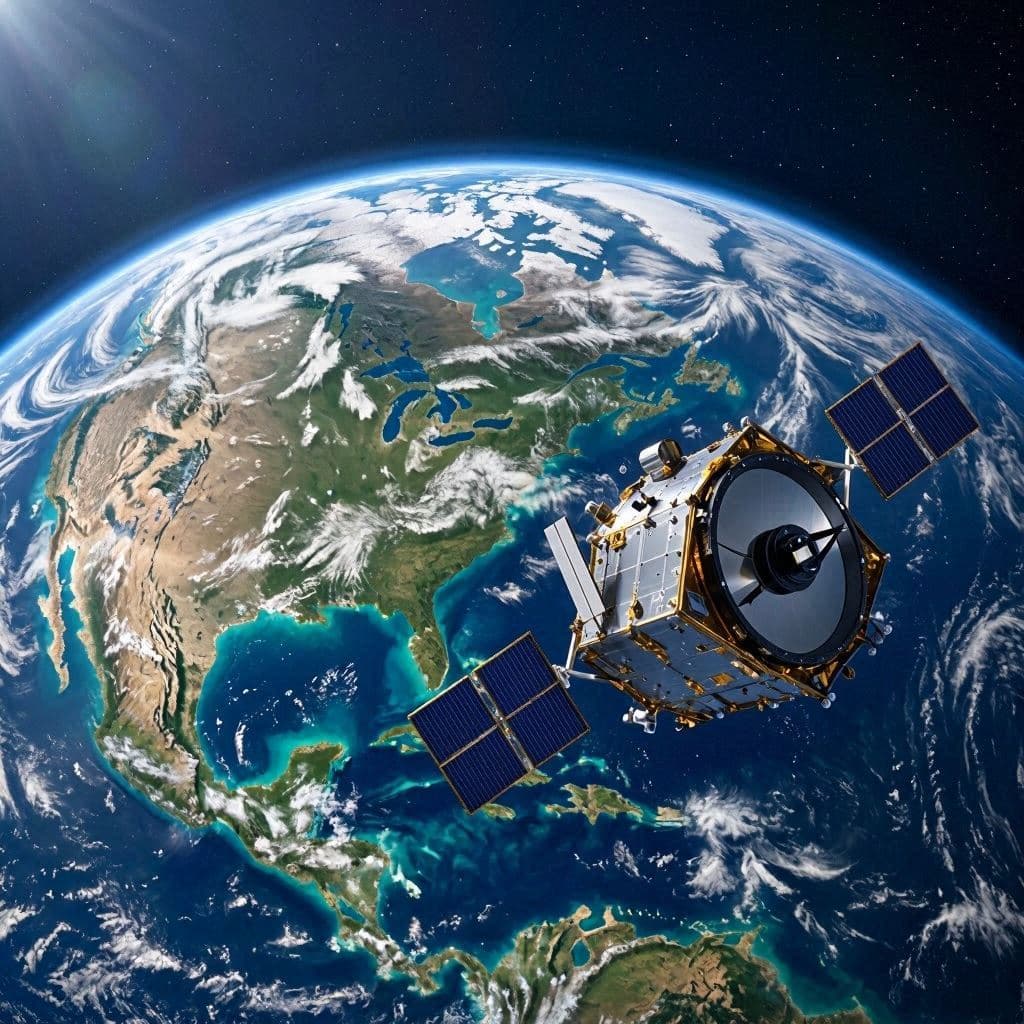
In the grand tradition of cosmic exploration, where humanity stretches its senses toward the infinite, a new eye is preparing to open. The Nancy Grace Roman Space Telescope, named in honor of the NASA official who championed the Hubble mission, stands on the precipice of launch. This next-generation observatory promises to revolutionize our understanding of the universe, offering a field of view one hundred times wider than that of its famous predecessor. For astronomers and stargazers alike, the anticipation is palpable. It is a moment that invites reflection on how far we have come in our quest to decode the cosmos and how much remains hidden in the dark.
The telescope represents a leap forward in technological capability and scientific ambition. It serves as a testament to the enduring human desire to look beyond our horizon and understand our place in the vastness of space.
Scheduled for launch in the mid-2020s, the Roman Space Telescope is designed to tackle some of the most profound mysteries in astrophysics. Its primary missions include investigating dark energy, the mysterious force driving the accelerated expansion of the universe, and discovering exoplanets, worlds orbiting stars beyond our solar system. By surveying large swaths of the sky with unprecedented efficiency, Roman will provide data that complements and expands upon the discoveries of Hubble and the James Webb Space Telescope.
One of the telescope’s most striking features is its wide-field instrument. While Hubble captures detailed images of small patches of sky, Roman can capture vast areas in a single snapshot. This capability allows scientists to study the distribution of galaxies and dark matter on a cosmic scale, creating maps that reveal the underlying structure of the universe. It is akin to switching from a microscope to a wide-angle lens, providing context to the details.
In the search for exoplanets, Roman will use a technique called microlensing. This method detects planets by observing how their gravity bends the light of distant background stars. Unlike other methods that favor large planets close to their stars, microlensing can find smaller, Earth-sized planets in wider orbits, including those in the galactic bulge. This diversity in discovery will help astronomers understand how common planetary systems like our own might be.
The telescope also carries a coronagraph, a technology demonstration intended to block out the glare of stars to directly image giant exoplanets. While not its primary tool, this instrument paves the way for future missions that may one day characterize the atmospheres of Earth-like worlds. It is a step toward answering the age-old question of whether we are alone in the universe.
Named after Nancy Grace Roman, often called the "Mother of Hubble," the telescope honors her pivotal role in establishing space-based astronomy. Her vision and leadership laid the groundwork for decades of discovery. By bearing her name, the mission acknowledges the importance of diverse voices and persistent advocacy in scientific progress.
The development of Roman has been a collaborative effort involving engineers, scientists, and international partners. Its construction reflects years of innovation in optics, detectors, and spacecraft design. The result is a robust and versatile instrument capable of operating in the harsh environment of space for many years.
As the launch date approaches, excitement builds within the scientific community. Researchers are already planning observations that will push the boundaries of current knowledge. The data returned by Roman will likely raise new questions even as it answers old ones, driving the cycle of discovery forward.
For the public, the telescope offers a new window into the wonders of the night sky. Its images will inspire curiosity and wonder, connecting people to the universe in a tangible way. It reminds us that exploration is not just about data, but about perspective.
The impending launch of the Nancy Grace Roman Space Telescope marks a significant milestone in space astronomy. It invites continued support for scientific exploration and a deeper appreciation for the mysteries of the cosmos.
AI Image Disclaimer: The visuals accompanying this article are AI-generated illustrations designed to reflect the themes of space exploration and astronomical technology.
Sources: NASA Space.com Scientific American The Planetary Society
Published by Banx Network. This article is part of the Banx decentralized media programme, powered by the BXE token on the XRP Ledger.