In the historic halls of Lima’s Congress, where the echoes of political turbulence have long resonated, a new chapter has begun. Keiko Fujimori was sworn in as Peru’s president on Tuesday, becoming the nation’s ninth leader in just ten years. Her inauguration marks a significant moment in Latin American politics, reflecting a rightward shift and a voter desire for stability amidst rising crime and economic uncertainty. For many Peruvians, the event is not just a change of guard but a test of whether the country can break its cycle of short-lived administrations and find a path toward enduring governance.
The ceremony, attended by regional leaders and dignitaries, underscores the importance of this transition. It invites reflection on the challenges of democracy in a region often marked by volatility and the hope that this tenure will bring the consistency citizens crave.
Body: Fujimori, the daughter of former authoritarian president Alberto Fujimori, won a narrow victory in the June runoff election against leftist candidate Roberto Sánchez. The margin was slim, with less than 50,000 votes separating the two, highlighting the deep polarization within Peruvian society. Her campaign focused heavily on law and order, promising tough measures against criminal organizations and corruption, which have been primary concerns for voters.
Her presidency begins with a divided congress and a skeptical public. While her party, Popular Force, holds significant influence, it does not have an absolute majority. This reality will require negotiation and coalition-building to pass legislation and implement her agenda. The ability to govern effectively will depend on her capacity to bridge divides and foster cooperation across political lines.
Economically, Peru faces headwinds including inflation and slow growth. Fujimori has pledged to promote private investment and maintain fiscal discipline, aiming to restore confidence in the market. Business leaders have expressed cautious optimism, hoping that her pro-market stance will stimulate job creation and infrastructure development. However, social groups worry about potential cuts to public services and the impact on vulnerable populations.
Security remains the most pressing issue. Crime rates have surged in recent years, fueling public anger and demand for action. Fujimori has proposed increasing police presence, strengthening penalties for organized crime, and improving intelligence capabilities. The success of these measures will be closely watched, as they touch on fundamental human rights and the rule of law.
Internationally, Fujimori’s election aligns Peru more closely with conservative governments in the region. Her foreign policy is expected to emphasize trade partnerships and regional security cooperation. Relations with neighbors such as Chile and Colombia will be key, particularly in addressing cross-border crime and migration issues.
The legacy of her father looms large over her presidency. While she has sought to distance herself from his authoritarian past, critics remain wary of any drift toward centralized power. Her administration will need to demonstrate a firm commitment to democratic institutions and transparency to gain broader trust.
Civil society organizations have vowed to monitor her government closely, advocating for human rights and social justice. The dialogue between the state and civil society will be crucial for maintaining balance and ensuring that diverse voices are heard. Engagement and accountability are essential for a healthy democracy.
As she takes office, the eyes of the nation are on her. The next five years will determine whether Peru can achieve the stability it has lacked for so long. The journey ahead is fraught with challenges, but also with opportunity.
Closing: Keiko Fujimori’s inauguration as Peru’s president marks a pivotal moment for the country. It invites a renewed focus on governance, security, and economic stability in a deeply polarized political landscape.
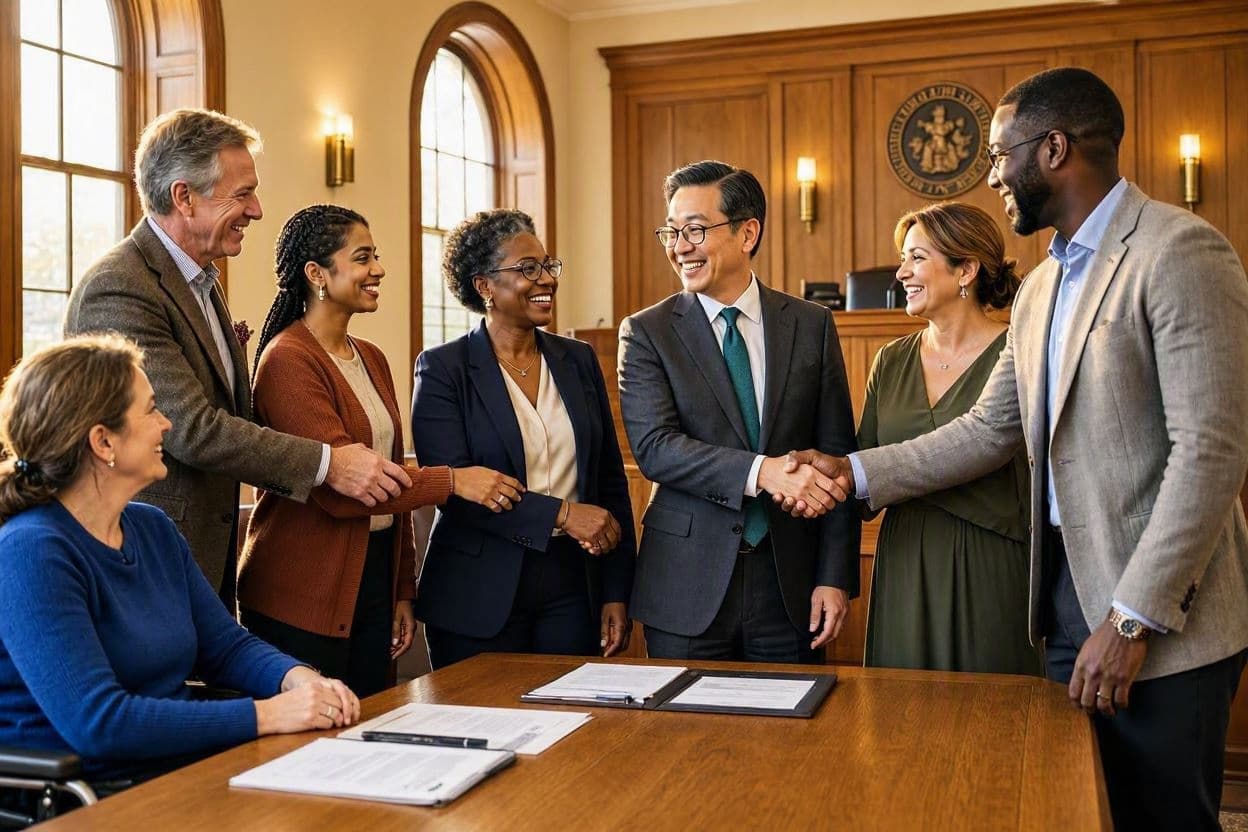
AI Image Disclaimer: The visuals accompanying this article are AI-generated illustrations designed to reflect the themes of political transition and national leadership.
Sources: Reuters Al Jazeera Associated Press BBC News
Published by Banx Network. This article is part of the Banx decentralized media programme, powered by the BXE token on the XRP Ledger.