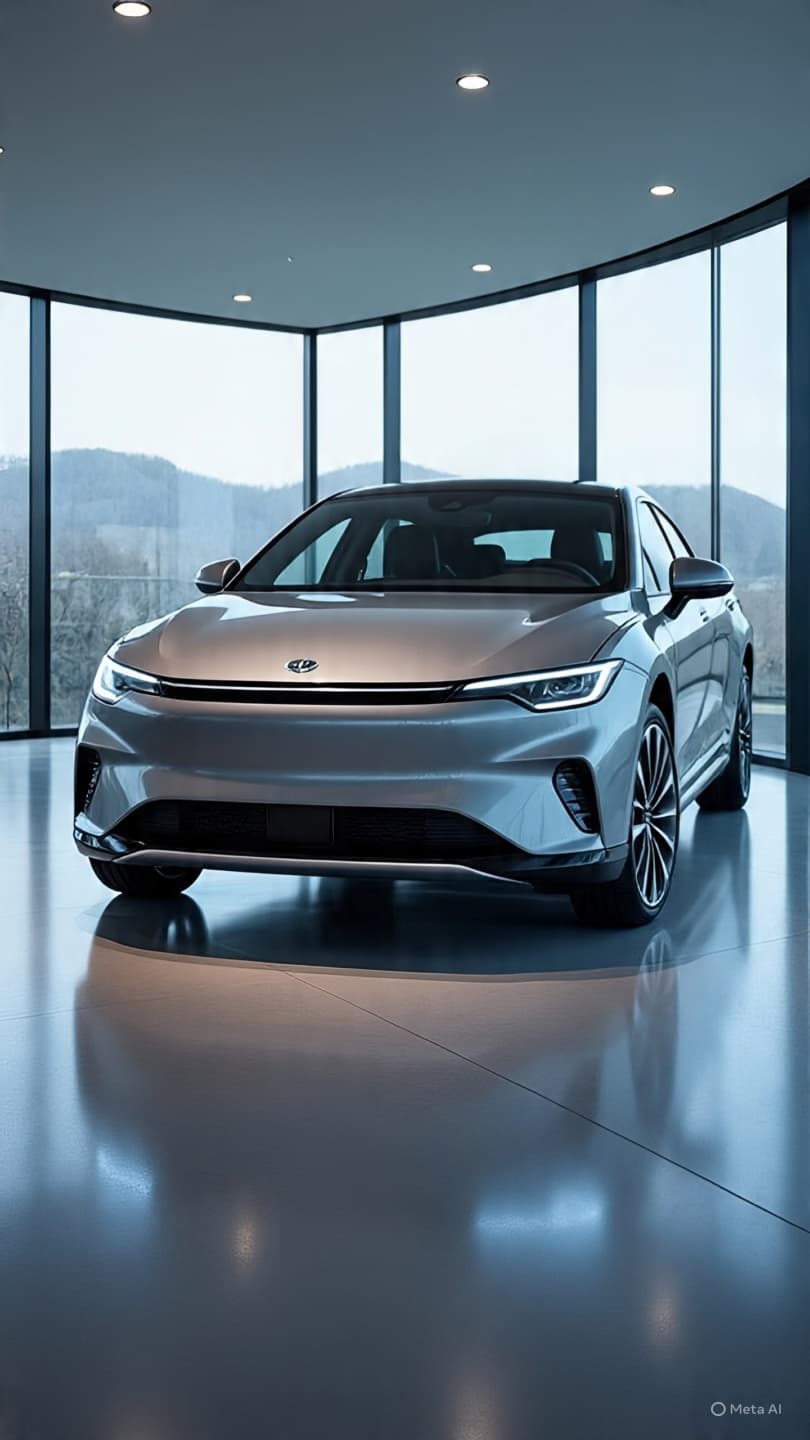
The evolution of mobility often arrives not in a single breakthrough, but through a series of incremental steps—each new model reflecting a broader shift in how people move.
BYD’s subsidiary Linghui Auto has launched the Linghui e7, an electric vehicle priced starting at 95,800 yuan, adding another option to China’s rapidly expanding EV market. The release underscores the continued push toward affordability in electric mobility.
China remains one of the largest and most competitive EV markets globally, with manufacturers racing to introduce models that balance cost, performance, and technology. The e7 enters this environment with a focus on accessibility.
The pricing strategy positions the vehicle within a segment aimed at a broad consumer base. Lower-cost EVs are increasingly seen as essential to accelerating adoption rates.
BYD has established itself as a key player in the electric vehicle industry, supported by its integrated approach to battery production and vehicle manufacturing. This vertical integration has contributed to cost efficiencies.
The Linghui e7 is expected to feature standard EV capabilities aligned with current market expectations, though detailed specifications vary depending on configuration and market positioning.
Competition within the segment remains intense, with both domestic and international manufacturers vying for market share. Innovation cycles continue to shorten as companies introduce new models.
Government policies and incentives have also played a role in shaping the EV landscape in China, encouraging both production and consumer adoption.
Industry analysts note that affordability will remain a key factor in determining market growth. Vehicles like the e7 contribute to expanding access to electric mobility.
As the model enters the market, its reception will depend on consumer response and competitive dynamics. For now, it represents another step in the ongoing transformation of the automotive sector.
AI Image Disclaimer Visuals are created with AI tools and are not real photographs.
Sources Reuters, Bloomberg, Financial Times, CNBC, China EV industry reports
Published by Banx Network. This article is part of the Banx decentralized media programme, powered by the BXE token on the XRP Ledger.