Throughout history, major discoveries have often depended on the tools available to researchers. From the telescope that expanded humanity's view of the cosmos to the microscope that revealed hidden worlds, each generation has built new instruments to deepen understanding. Today, artificial intelligence is increasingly being viewed as another transformative tool—one that many experts believe is becoming part of the foundational infrastructure of scientific research.
Researchers across disciplines are incorporating AI systems into their daily work. From analyzing large datasets to identifying patterns that might otherwise remain unnoticed, these technologies are helping scientists process information at unprecedented speeds.
The shift is visible in fields ranging from medicine and biology to climate science and astronomy. AI-assisted systems can review enormous volumes of data, allowing researchers to focus more attention on interpretation, experimentation, and decision-making.
In healthcare, machine-learning models are being used to support disease detection, drug discovery, and treatment planning. Scientists note that these systems are not replacing researchers but rather providing additional analytical capabilities that can complement human expertise.
Climate researchers are also benefiting from AI-driven analysis. Predictive models can help evaluate environmental trends, simulate future scenarios, and improve understanding of complex ecological systems. Such capabilities are becoming increasingly valuable as climate challenges grow more sophisticated.
Meanwhile, astronomers are using AI to examine vast amounts of observational data generated by modern telescopes. Automated systems can identify unusual signals and potential discoveries more efficiently than traditional methods alone.
The growing role of AI has also prompted discussions about transparency, accountability, and data quality. Researchers emphasize that scientific standards must remain rigorous, regardless of how advanced analytical tools become.
Educational institutions are responding by integrating AI literacy into scientific training programs. Future researchers are expected to work in environments where computational intelligence is as common as laboratory equipment or statistical software.
As adoption continues to expand, AI appears poised to become a permanent component of modern scientific infrastructure, shaping how knowledge is discovered, analyzed, and shared across the global research community.
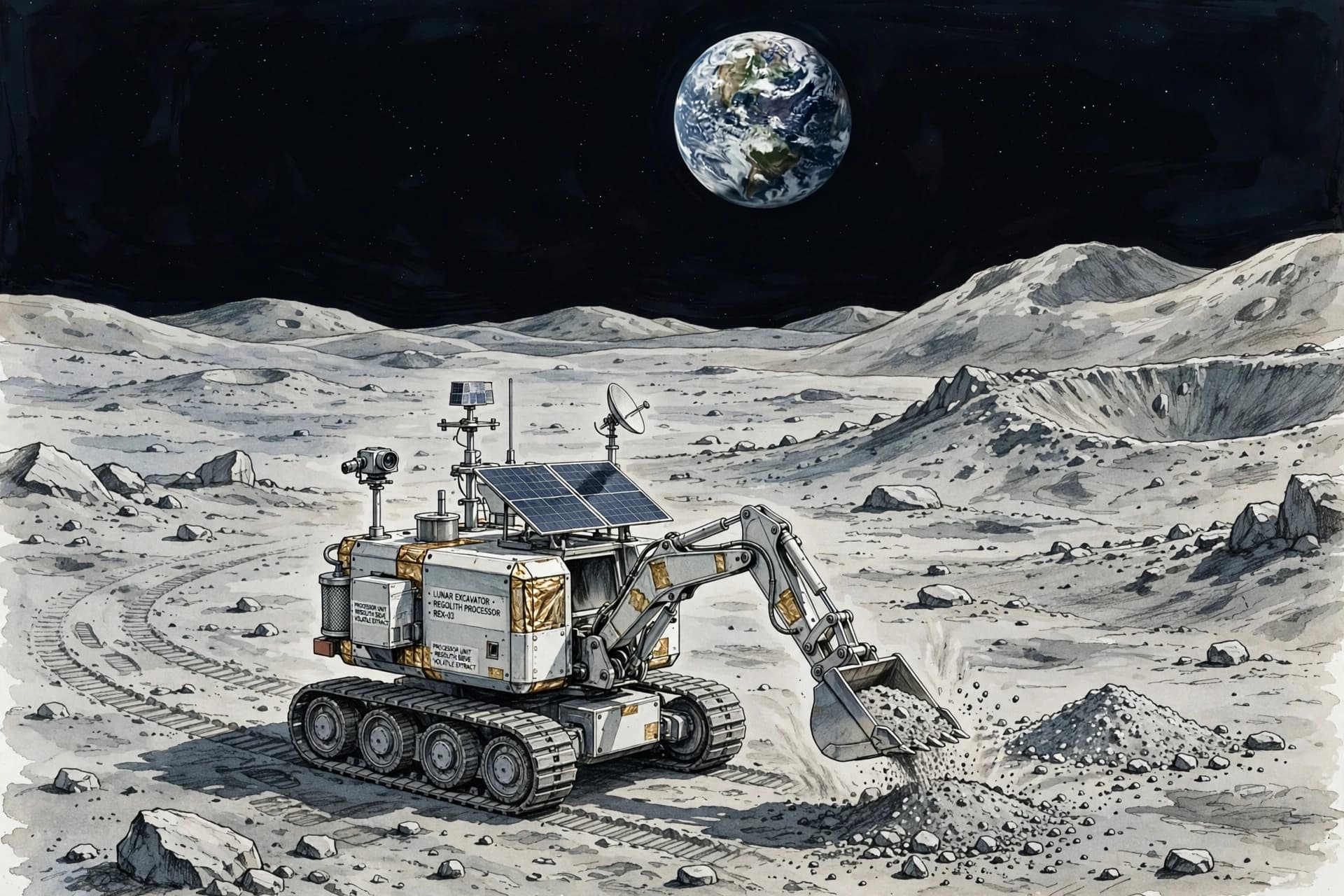
AI Image Disclaimer: The illustration accompanying this article was generated using AI technology and serves as a visual interpretation rather than a documentary image.
Source Verification Check: Yahoo Finance, Nature, Science Magazine, MIT Technology Review, Reuters
Published by Banx Network. This article is part of the Banx decentralized media programme, powered by the BXE token on the XRP Ledger.