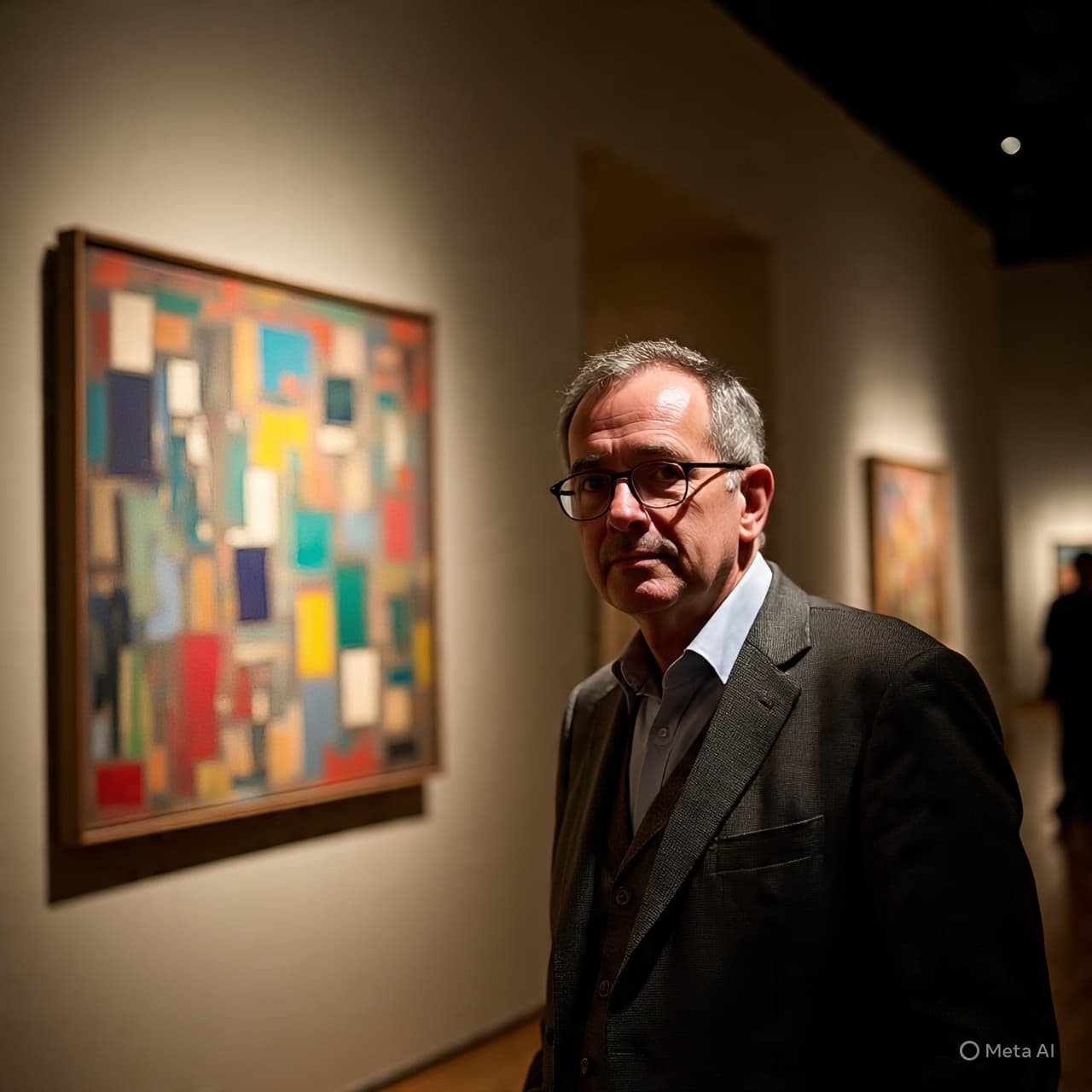
In the gallery of time, institutions are often like great tapestries — woven with threads of history, culture, and the quiet rhythms of daily life. Yet sometimes, an abrupt tear in that fabric forces us to pause and reflect on what holds it together. Such has been the recent chapter at the Louvre Museum in Paris, where an audacious daylight theft of precious jewels last autumn reverberated far beyond the polished marble floors and hushed corridors where masterpieces have long greeted the world.
This week, a new steward has taken up the mantle at this iconic institution. Christophe Leribault, an experienced art historian and museum director, has been appointed head of the Louvre by the French government, succeeding Laurence des Cars, who stepped down amid mounting scrutiny following the sensational heist and a cascade of operational challenges.
Leribault arrives at the helm not as a stranger to France’s cultural landscape but as someone who has spent decades in the quiet stewardship of revered artistic legacies. His prior roles — from the Musée d’Orsay and the Orangerie to most recently directing the Palace of Versailles — have been defined by a careful balancing of tradition and contemporary relevance, a steady choreography between reverence for history and responsiveness to change.
Yet the path ahead is shaped as much by urgency as by heritage. The October 2025 robbery — in which a handful of thieves slipped into the museum’s Apollo Gallery and made off with French crown jewels worth tens of millions of euros — exposed significant vulnerabilities in security and infrastructure that critics say had been neglected.
Beyond that dramatic breach, the Louvre has weathered a tempest of challenges: staff strikes that shuttered galleries, water leaks that threatened prized collections, and probes into suspected ticket fraud that dragged the institution into controversy.
The Culture Ministry has cast Leribault’s task as one of restoring trust — within the museum’s sprawling corridors and beyond them, in the hearts of visitors worldwide. Strengthening security, fostering dialogue with staff, and advancing long-planned modernization efforts are among the priorities he inherits.
For many, the Louvre is more than a museum; it is a place where the echoes of centuries mingle with the footsteps of millions. In that sense, the appointment of a new leader carries a symbolism as weighty as any painting or sculpture under its roof. There is a quiet hope, now, that with fresh guidance, the institution can navigate these unsettled waters while keeping its treasures — and its mission — steadfast.
As the Louvre turns this page, it does so with an eye both backward and forward — mindful of its storied past, yet attentive to the future of a venerable cultural beacon.
AI Image Disclaimer Visuals are created with AI tools and are not real photographs.
Sources Reuters, Associated Press, The Guardian, RFI via Modern Ghana, Le Monde.
Published by Banx Network. This article is part of the Banx decentralized media programme, powered by the BXE token on the XRP Ledger.