

Key Highlights
- New Command:Ukraine establishes a Long-Range Strike Command.
- Leadership:General Mykhailo Drapatyi appointed to lead offensive initiatives.
- Strategic Shift:Focus on disrupting Russian logistics and infrastructure.
In the shifting landscape of modern warfare, where strategy and survival intertwine, Ukraine has taken a decisive step to reshape its military posture. The establishment of a new Long-Range Strike Command marks a significant evolution in Kyiv’s approach to the ongoing conflict, reflecting a desire to project power deeper into contested territories while balancing the immense pressures of resource management and international support.
The appointment of General Mykhailo Drapatyi to lead these new offensive initiatives signals a shift toward more aggressive counteroffensive actions. As the war enters another summer, the focus is no longer solely on holding the line but on disrupting the logistical and industrial backbone of the adversary, a move that carries both strategic promise and profound risk.
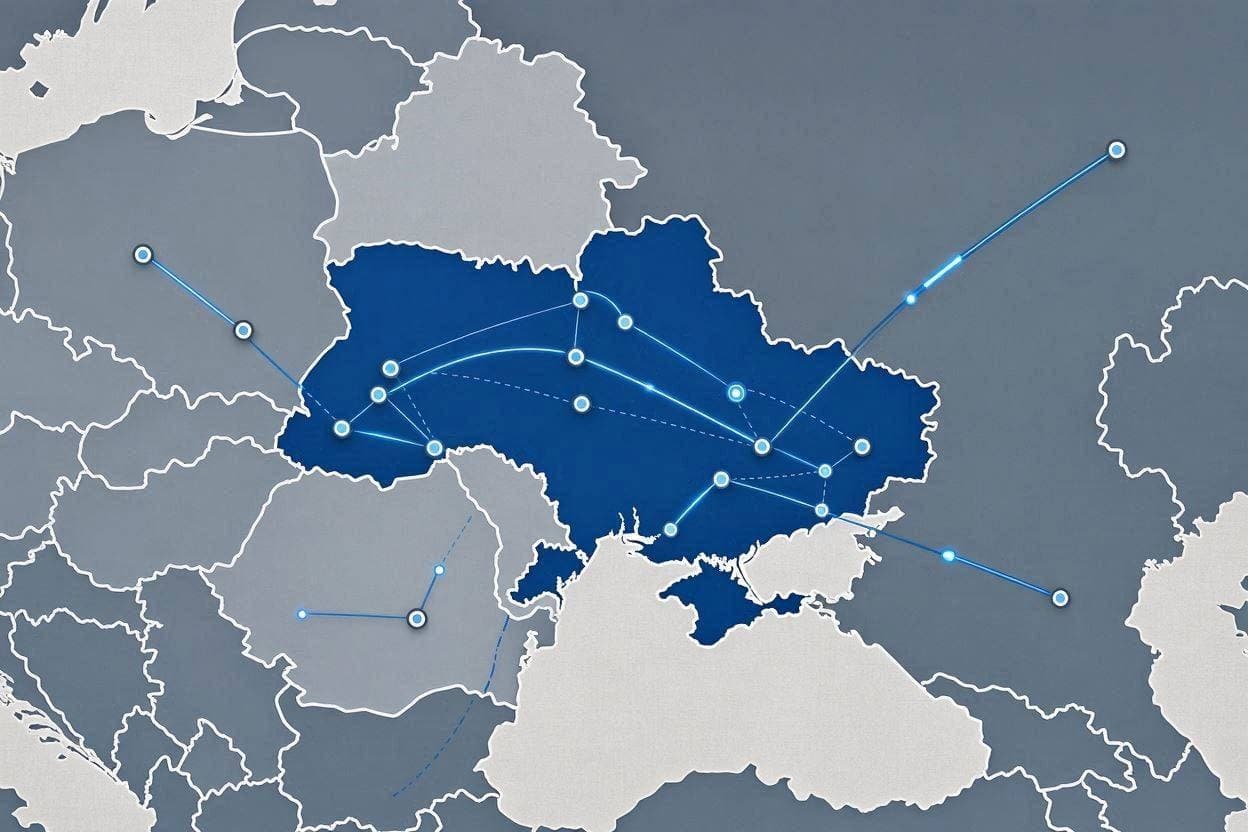
The creation of this specialized command, formalized by presidential decree in early July 2026, is designed to coordinate long-range drone strikes and missile operations against targets within Russia. This structural change aims to streamline decision-making and enhance the precision of attacks on energy infrastructure and supply lines, which have become critical vulnerabilities in Moscow’s war effort.
General Drapatyi, known for his dynamic leadership and frontline experience, has emphasized the importance of taking the fight behind enemy lines. His priorities include increasing the frequency and impact of raids, sabotage, and deep-strike capabilities, aiming to reduce Russia’s ability to sustain its military operations through economic and logistical pressure.
Russia’s response to these escalating strikes has been one of adaptation and resilience, though not without cost. The banning of diesel exports and restrictions on shipping near the Sea of Azov highlight the tangible impact of Ukraine’s campaign on Russian domestic stability and military logistics. These measures reflect a growing recognition in Moscow of the threat posed by Kyiv’s enhanced long-range capabilities.
However, the "war math" remains complex. While Ukraine seeks to maximize the impact of its limited resources, Russia continues to leverage its larger industrial base and manpower reserves. The balance of power is delicate, with each side calculating the costs of escalation against the potential for strategic breakthroughs or stalemates.
International partners watch these developments with a mix of support and caution. The provision of advanced weaponry and intelligence has been crucial to Ukraine’s ability to conduct these long-range operations, yet concerns about broader regional escalation persist. The diplomatic community remains engaged in efforts to manage the conflict’s scope while supporting Ukraine’s right to self-defense.
For the Ukrainian people, these military advancements offer a glimmer of hope but also bring the reality of prolonged conflict into sharper focus. The success of the new command will depend not only on tactical execution but on the sustained willingness of the international community to provide the necessary tools and political backing.
As the summer progresses, the effectiveness of this new strategic direction will be tested on the battlefield. The outcome will likely influence not just the immediate trajectory of the war but also the future architecture of European security and the global order’s response to aggression.
The establishment of Ukraine’s Long-Range Strike Command represents a pivotal moment in the conflict, embodying a shift from defensive persistence to offensive ambition. It underscores the enduring complexity of the war and the high stakes involved for all parties, as the world watches to see how this new chapter unfolds.
Published by Banx Network. This article is part of the Banx decentralized media programme, powered by the BXE token on the XRP Ledger.




