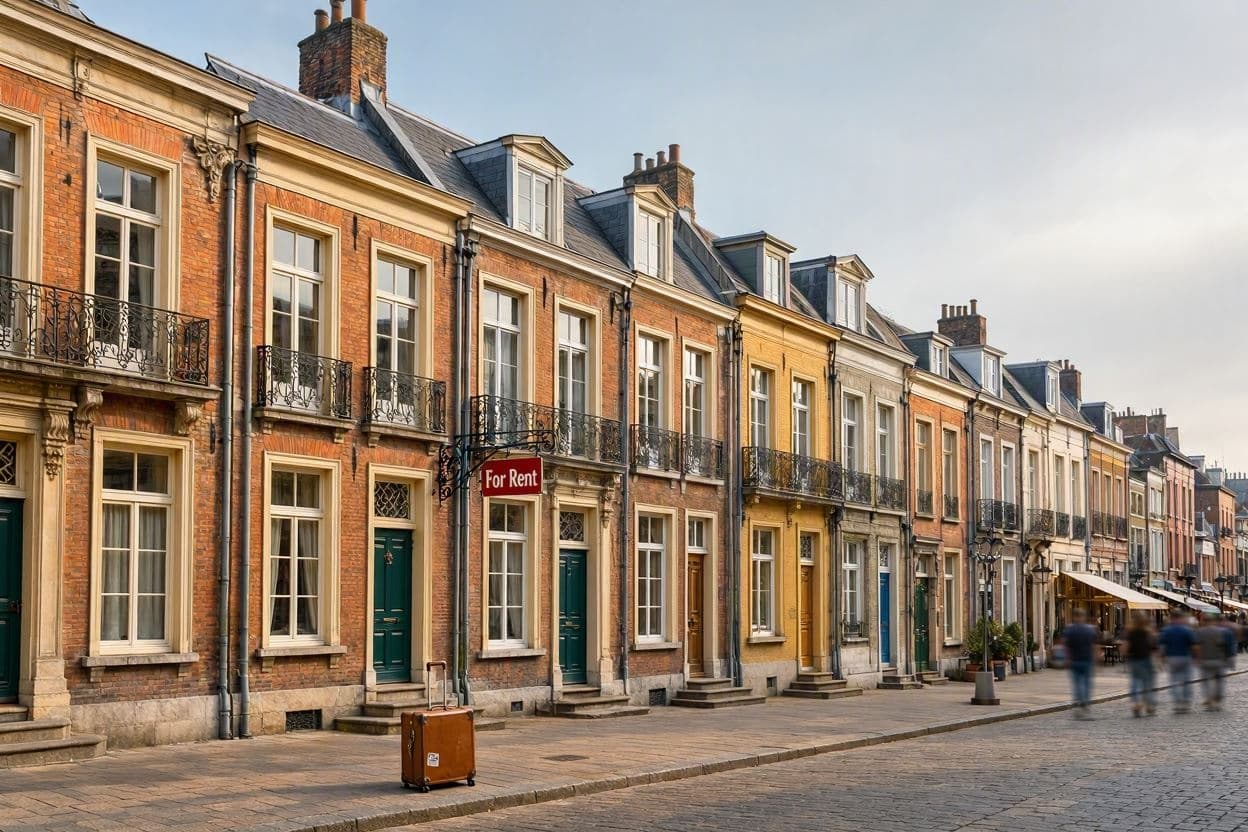
In the historic streets of Brussels, where cobblestones whisper tales of centuries past, a modern dilemma is unfolding. The rise of short-term rentals has transformed neighborhoods, bringing economic opportunity but also displacing long-term residents. Now, the European Commission is signaling a willingness to empower local authorities to regulate platforms like Airbnb more strictly. This move reflects a growing recognition that housing is not just a commodity but a fundamental social need. The proposal seeks to balance tourism’s benefits with the right to affordable living.
The housing crisis in many European cities has reached a tipping point, with rents soaring and availability shrinking. Short-term rentals are often cited as a contributing factor, as property owners convert long-term housing into lucrative vacation lets. This trend reduces the stock of available homes for locals, driving up prices and altering the social fabric of communities. Brussels’ initiative aims to provide a legal framework that allows cities to intervene effectively.
Under the proposed guidelines, municipalities would gain greater authority to cap the number of short-term rentals in specific areas. They could also require registration and transparency from platforms, ensuring that data on listings is shared with local governments. This information is crucial for enforcing rules and monitoring compliance. The approach is designed to be flexible, allowing cities to tailor solutions to their unique contexts.
Supporters of the measure argue that it is a necessary step to protect urban livability. They point to cities like Barcelona and Amsterdam, which have already implemented strict regulations with varying degrees of success. These examples serve as laboratories for policy experimentation, offering lessons on what works and what does not. The EU-wide framework aims to harmonize these efforts, preventing a race to the bottom in regulatory standards.
Critics, however, warn that excessive regulation could stifle the sharing economy and reduce income for homeowners who rely on short-term rentals. They argue that the root causes of the housing crisis lie in broader issues such as insufficient construction and investment. While regulation may help, it is not a panacea. The debate highlights the complexity of balancing economic freedom with social welfare.
The tourism industry is also watching closely. Many businesses depend on the influx of visitors who use platforms like Airbnb for accommodation. Restrictions could impact occupancy rates and revenue, particularly in smaller establishments. Industry representatives are calling for a balanced approach that considers the economic contributions of tourism while addressing housing concerns. Dialogue between stakeholders is ongoing as the proposal takes shape.
As the discussion progresses, the focus remains on finding a equitable solution. The goal is to ensure that cities remain vibrant and inclusive, where tourists and residents can coexist harmoniously. The EU’s involvement signals a commitment to supporting local governance in tackling these challenges. The outcome will likely influence housing policies across the continent for years to come.
Brussels’ move to curb short-term rentals aims to alleviate housing pressures in European cities, offering local authorities new tools to regulate the market while balancing tourism interests.
AI Image Disclaimer: Visuals accompanying this article are computer-generated interpretations meant to reflect the urban themes discussed.
Sources: Politico Europe Euronews The Local Euractiv
Published by Banx Network. This article is part of the Banx decentralized media programme, powered by the BXE token on the XRP Ledger.