
Key Highlights
- New Production Line:Airbus opens a dedicated assembly line for the A321neo in Toulouse.
- Rising Demand:The A321neo is increasingly popular among airlines for its efficiency.
- Economic Impact:The expansion is expected to benefit the broader aerospace supply chain.
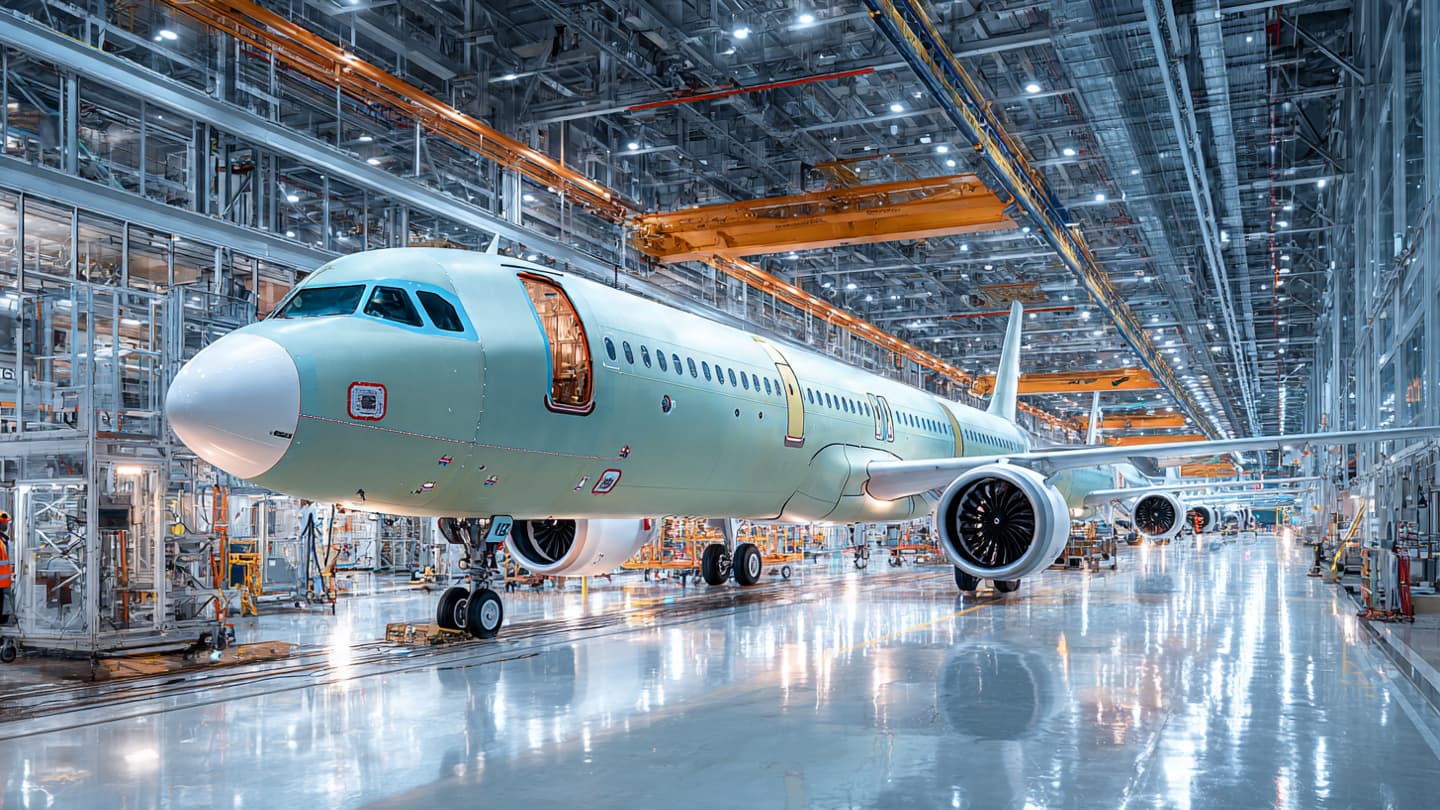
Airbus has officially inaugurated a new production line for the A321neo in Toulouse, marking a significant step in the company's strategy to meet the surging demand for modern aircraft. This development comes at a time when global aviation is witnessing a robust recovery, with airlines eager to modernize their fleets and expand their operational capabilities. The A321neo, known for its fuel efficiency and passenger capacity, has become a preferred choice for many carriers worldwide.
The new assembly line is not merely an expansion of Airbus's manufacturing capabilities; it symbolizes the company's confidence in the future of air travel. With a growing backlog of aircraft orders, manufacturers are under pressure to ramp up production while ensuring that quality and safety standards remain uncompromised. This new facility is a crucial part of Airbus's efforts to address these challenges and fulfill its commitments to airlines.
Toulouse has long been a cornerstone of the aerospace industry, serving as a hub for innovation and manufacturing. The city boasts a rich ecosystem of engineering talent and research institutions, which have fostered advancements in aviation technology. The establishment of the new assembly line further cements Toulouse's status as a vital player in the global aerospace sector, enhancing its capacity to support large-scale production and technological progress.
The A321neo's design reflects a shift in the aviation industry's priorities, with airlines increasingly focused on sustainability and operational flexibility. This aircraft model is capable of serving a variety of routes, from busy domestic flights to medium-haul international journeys, making it an attractive option for operators looking to adapt to changing market demands.
The economic implications of this expansion extend beyond Airbus itself. The aerospace manufacturing sector relies on a complex network of suppliers, logistics providers, and specialized contractors. Increased production activity at Airbus is expected to create ripple effects throughout the supply chain, generating new job opportunities and fostering investment across various industries. This interconnectedness highlights the significant role that aerospace manufacturing plays in regional economic development.
As the aviation industry faces mounting pressure to reduce its environmental footprint, manufacturers like Airbus are investing heavily in technologies that enhance efficiency and lower emissions. The introduction of newer aircraft designs is a critical component of this transition, enabling airlines to operate more sustainably than ever before.
However, industry experts caution that scaling up production is fraught with challenges. Effective supply chain management, workforce training, and ensuring the availability of components are all vital factors that manufacturers must navigate. Achieving production targets without sacrificing reliability requires meticulous planning and coordination.
With the new production line now operational, Airbus embarks on a new chapter of industrial growth. This facility not only addresses current market demands but also signifies a long-term commitment to the future of aviation. Each aircraft assembled in Toulouse represents a broader narrative of innovation, connectivity, and the ongoing evolution of an industry that plays a crucial role in linking the world together.
Published by Banx Network. This article is part of the Banx decentralized media programme, powered by the BXE token on the XRP Ledger.



