
Key Highlights
- Drones have become a pivotal element in the Iran conflict, reshaping military strategies.
- Low-cost drones challenge traditional defense systems, creating economic pressures.
- The evolving tactics emphasize endurance and adaptability over precision.
The balance of power in warfare often shifts subtly, marked not by grand innovations but by the quiet emergence of new tools. In the ongoing conflict involving Iran, this shift is exemplified by the increasing use of inexpensive drones, which have transitioned from secondary tools to central players in military strategy. Analysts now refer to these drones as a 'wild card,' highlighting their unpredictable impact on the battlefield.
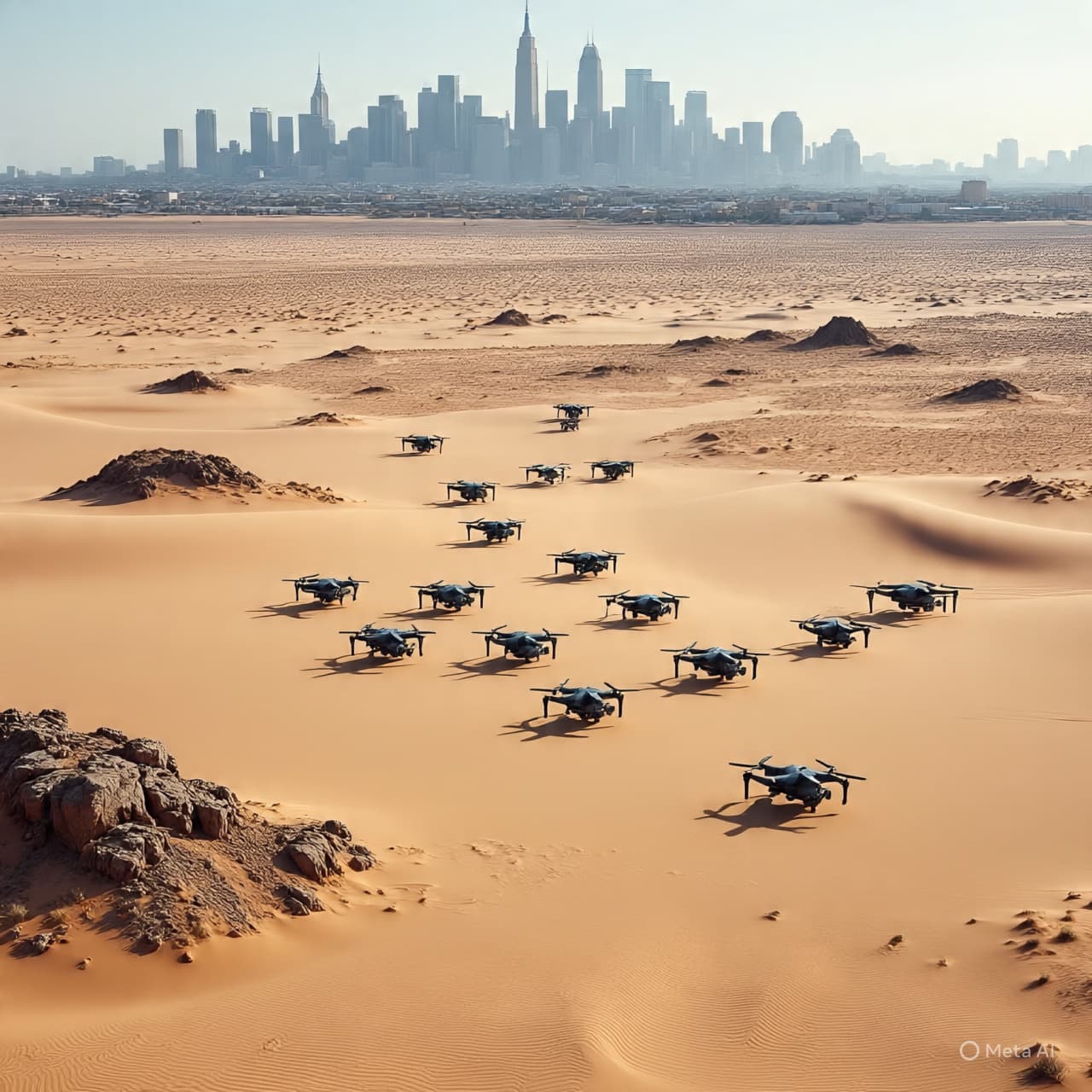
Cheap drones, such as Iran's Shahed-type systems, are not designed to dazzle with advanced technology. Instead, they are simple, cost-effective machines that can be produced for tens of thousands of dollars—significantly less than the sophisticated missiles needed to intercept them. This economic disparity is crucial; it allows for the deployment of drones in waves, creating a sustained pressure on defense systems rather than relying on singular, high-impact strikes.
The strategy behind these drone waves is not merely to achieve immediate tactical victories but to exhaust and overwhelm enemy defenses. Each drone intercepted may represent a small success for defenders, yet the cumulative cost of these interceptions can escalate quickly. This dynamic has led military analysts to advocate for new defensive strategies that are as scalable and cost-effective as the threats posed by these drones.
Moreover, the role of drones extends beyond direct attacks. They can function as reconnaissance tools, distractions, or precursors to larger strikes, complicating the battlefield landscape. This blurring of roles makes it increasingly difficult for defenders to discern between genuine threats and diversions, adding a layer of unpredictability to military engagements.
As the conflict progresses, the significance of low-cost drones is expected to grow. Both sides are likely to adapt their strategies to either exploit the advantages these drones offer or counter their influence. The shift towards a form of warfare that prioritizes scale, adaptability, and persistence over traditional metrics of precision and power marks a significant evolution in military tactics.
In conclusion, the emergence of drones as a central element in the Iran conflict underscores a broader trend in modern warfare. As military strategies evolve, the implications of these low-cost tools will continue to shape the dynamics of conflict, challenging conventional notions of power and effectiveness in the battlefield.
Published by Banx Network. This article is part of the Banx decentralized media programme, powered by the BXE token on the XRP Ledger.



