
Key Highlights
- Political unrest in the Democratic Republic of the Congo has intensified due to proposed constitutional changes.
- Public protests have led to confrontations with security forces, resulting in injuries and arrests.
- International organizations are calling for peaceful dialogue and respect for civil liberties.
Political stability is often compared to a carefully woven fabric, strengthened by institutions, laws, public trust, and civic participation. Recently, this metaphor has taken on a more urgent meaning in the Democratic Republic of the Congo (DRC), where political demonstrations and clashes have drawn national and international attention. The unrest is primarily linked to a growing debate over proposals that could significantly affect presidential term limits, raising concerns about the potential alteration of established democratic safeguards.
Opposition groups and civil society organizations have voiced strong objections to the proposed constitutional changes, arguing that they threaten the integrity of the democratic process. Supporters of the government, however, contend that any reforms should be discussed through legal and institutional channels, emphasizing the need for a structured approach to governance.
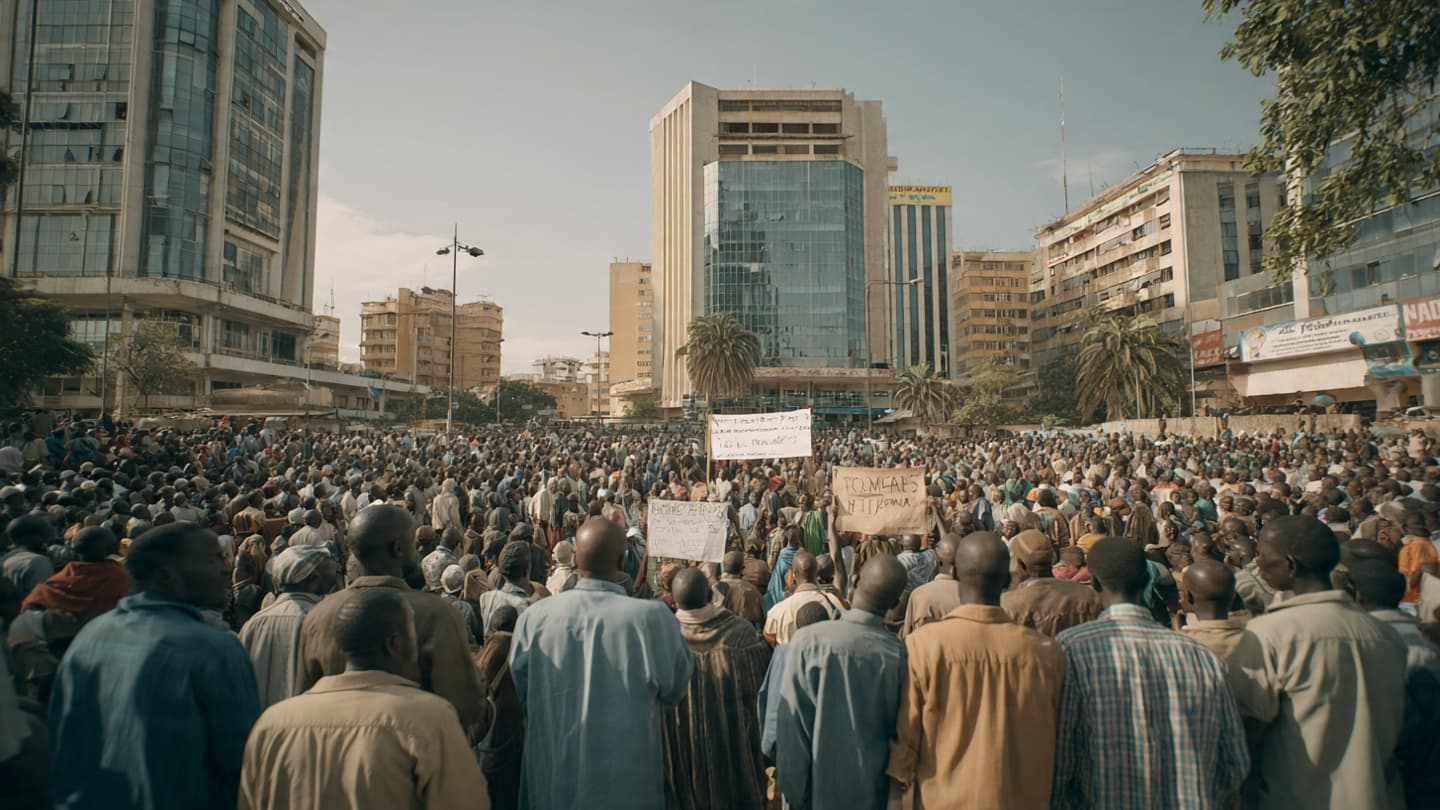
Large public gatherings have erupted across various cities, reflecting the intensity of public interest and concern surrounding the issue. Reports indicate that confrontations have occurred between demonstrators and security forces, leading to injuries and arrests in several areas. These events underscore the heightened tensions and the potential for further unrest if the situation is not managed carefully.
The Democratic Republic of the Congo holds a significant position within Africa due to its size, population, and vast natural resources. Political developments in the DRC often attract regional attention, given their implications for economic activity and security across the continent. Observers note that debates over presidential term limits have emerged in several countries over the past two decades, often becoming focal points for broader discussions about governance, constitutional authority, and democratic accountability.
International organizations have urged all parties to exercise restraint. Calls for peaceful dialogue, respect for legal frameworks, and the protection of civil liberties have accompanied growing concerns about the possibility of escalating unrest. The international community is closely monitoring the situation, emphasizing the importance of maintaining stability in the region.
Despite the political turmoil, many citizens remain focused on practical challenges affecting their daily lives, such as economic opportunities, infrastructure development, healthcare access, and public services. Political uncertainty can overshadow these priorities, making stability a crucial concern for communities across the country. Analysts suggest that the coming weeks will be critical in determining whether tensions can be eased through negotiation or if they will escalate into further public confrontation.
The response of political leaders, institutions, and civil society groups will likely play a pivotal role in shaping the direction of events. For now, the situation remains fluid, with differing political perspectives continuing to influence public debate. Many observers emphasize that peaceful engagement and respect for democratic processes are essential foundations for long-term stability in the DRC.
AI Image Disclaimer: Visuals accompanying this article are AI-generated representations intended to illustrate the news context and are not actual photographs from the reported events.
Published by Banx Network. This article is part of the Banx decentralized media programme, powered by the BXE token on the XRP Ledger.



