In spring of 2020, the United Kingdom stood at a crossroads, like a ship sensing distant storm clouds but delaying its course correction. The sea was swelling, and though the winds warned of danger, the vessel drifted, its captain hesitant to change direction. Weeks later, that hesitation would exact a grave toll.
An official public inquiry, led by Baroness Heather Hallett, has now laid bare the consequences of those early moments: the UK's Covid-19 response was, in her words, “too little, too late.” The report, stretching across more than 750 pages, concludes that a week’s delay in imposing the first national lockdown may have cost some 23,000 lives in England during the first wave.
The inquiry’s narrative paints a picture of leadership slow to grasp the threat, even as the virus spread relentlessly. February 2020 is described in the report as a “lost month,” when warning signs went unheeded. Ministers across all four UK governments—England, Scotland, Wales, Northern Ireland—are criticized for failing to act with urgency. The inquiry highlights “misleading assurances” that the UK was prepared for a pandemic, while the toxic culture in Downing Street undermined decisive action.
Modelling presented in the report suggests a lockdown imposed just one week earlier—around March 16, 2020—could have halved the death toll of the first wave, saving tens of thousands of lives. The report also argues that, had restrictions come sooner, a full mandatory lockdown might have been shorter or, in more optimistic scenarios, avoided altogether.
Beyond timing, the inquiry criticizes how decisions were made—or not made. Scientific advisers underestimated the speed of the virus’s spread, and ministers were slow to act on worst-case models. Vulnerable groups, including the elderly and disabled, did not receive adequate consideration. The report also shines a light on the political culture: leadership marked by indecision, shifting priorities, and a chaotic command structure that, according to the inquiry, sidelined critical voices—especially women.
Yet, the report does offer some recognition of success. The inquiry commends the UK’s vaccine rollout, calling it “remarkable,” and notes how, by early 2021, the country navigated a path out of the most severe lockdowns once vulnerable populations had been vaccinated.
Baroness Hallett delivers a measured conclusion. She acknowledges the “unenviable choices” leaders faced under unprecedented pressure, and yet she urges that the lessons now laid bare must shape future responses. The inquiry issues 19 recommendations: clearer decision-making structures, stronger parliamentary oversight of emergency powers, and better coordination across the UK's four nations in crises.
In a statement to Parliament, the Prime Minister recognized the “appalling loss of life” and affirmed that the report’s findings would be taken seriously. For many bereaved families, the inquiry represents both belated accountability and a reminder of what might have been.
As the country reflects on this chapter, the message is both somber and hopeful: the cost of delay was tragically high, but the path forward can still be reshaped. The inquiry’s call is not just for mourning—but for vigilance and reform, so that the next storm, if it comes, finds the ship prepared.
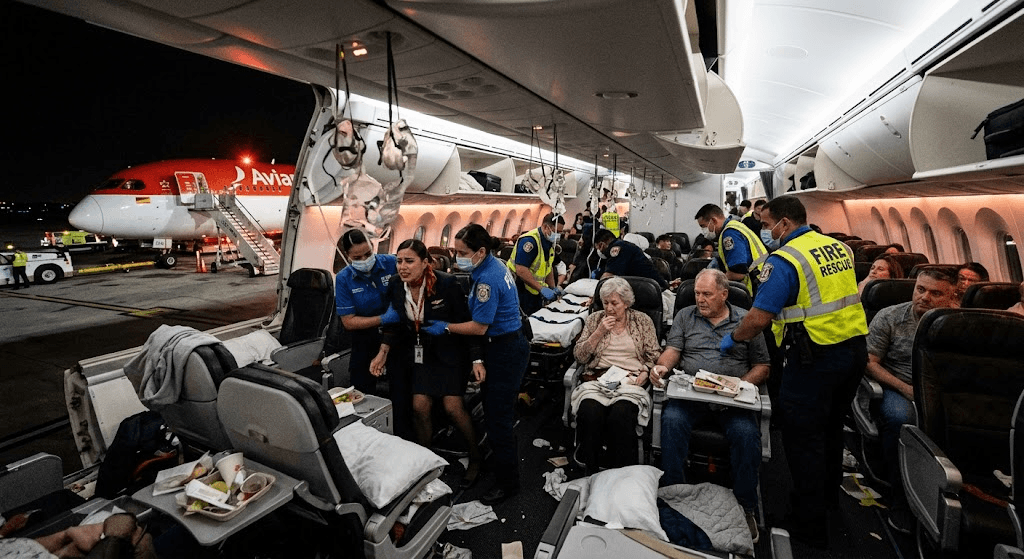
AI Image Disclaimer Visuals are created with AI tools and are not real photographs.
Sources: BBC News The Guardian ITV News Euronews India Today
Published by Banx Network. This article is part of the Banx decentralized media programme, powered by the BXE token on the XRP Ledger.