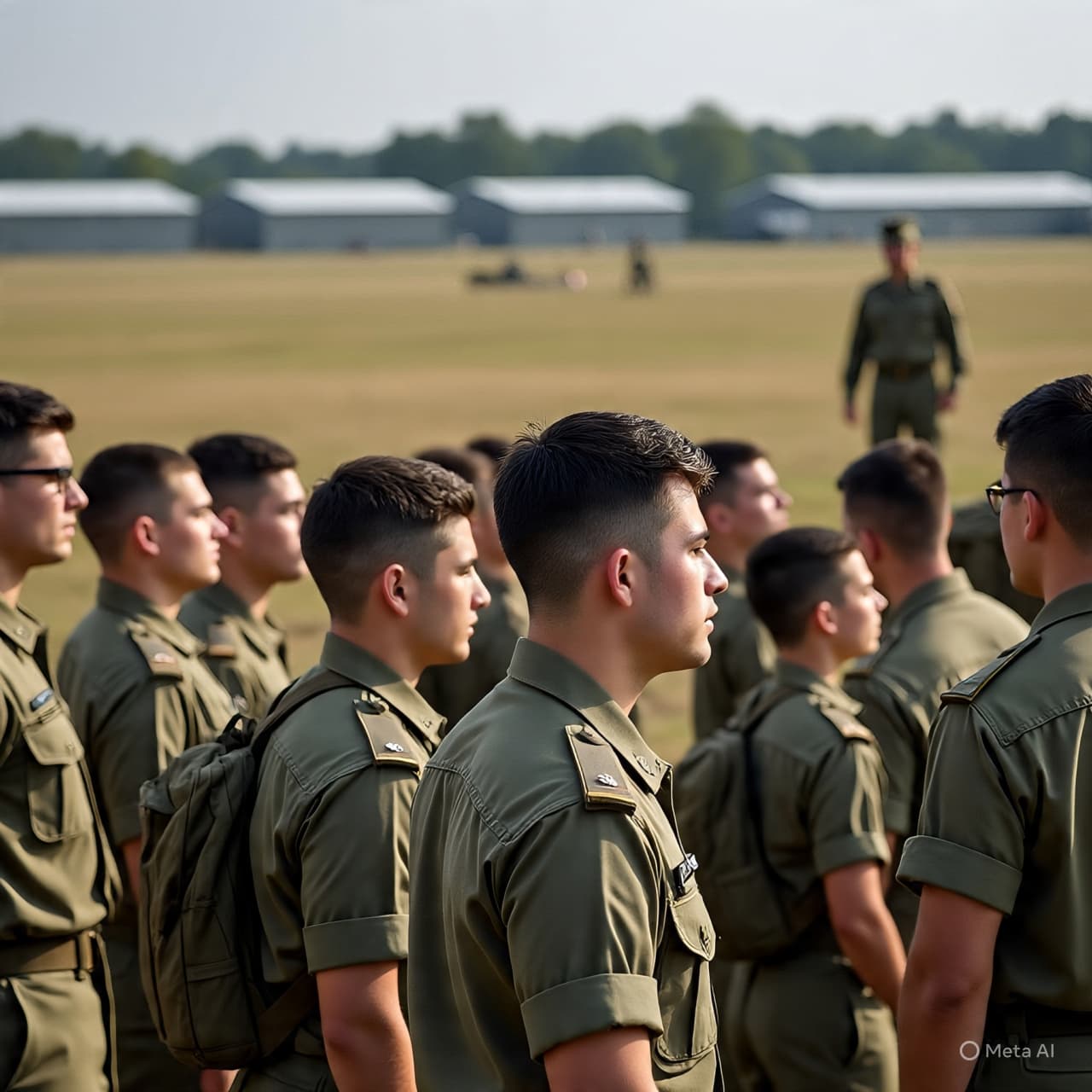
In a world where security landscapes shift rapidly, Germany is taking a step to reshape its relationship with military service. The government has announced plans to introduce voluntary military service, marking a notable shift from previous conscription policies and reflecting the nation’s evolving approach to defense and civic engagement.
Voluntary enlistment aims to attract individuals motivated by personal commitment rather than obligation. Officials argue that this framework can strengthen the armed forces while fostering a sense of civic responsibility among participants. The new program is expected to provide structured training, educational benefits, and pathways into various military roles, balancing professional development with national service.
The move also reflects broader European trends, where nations are adapting their defense strategies to address modern security challenges, ranging from cyber threats to geopolitical tensions. By encouraging voluntary participation, Germany seeks to maintain a capable, ready force without relying on mandatory conscription, which has become politically and socially contentious.
For many citizens, the opportunity to serve voluntarily represents a choice to contribute to national security in a meaningful way. It also opens conversations about the role of the military in society, the responsibilities of citizenship, and how young adults engage with their nation in a period of both regional uncertainty and technological transformation.
As Germany implements this policy, questions of recruitment, training, and integration into broader defense planning will shape its success. The voluntary approach signals a balance between honoring tradition and embracing flexibility, offering a model of service aligned with contemporary expectations while maintaining the readiness necessary for national defense.
Published by Banx Network. This article is part of the Banx decentralized media programme, powered by the BXE token on the XRP Ledger.