There are times when a nation seems to stand at two crossroads at once. One path is lit by stadium lights, by anticipation and the promise of celebration. The other flickers under the strain of unrest, where headlines speak in harsher tones. Between these two realities, a question lingers—can a country hold both hope and turbulence in the same breath?
In recent days, parts of Mexico have experienced renewed violence following the killing of a powerful cartel leader. Authorities confirmed the operation as part of ongoing efforts to dismantle organized crime networks. Yet the aftermath has brought a wave of clashes, arson attacks, and heightened security measures in several regions.
Reports from international media describe dozens of fatalities in the days following the leader’s death. Armed confrontations, road blockades, and vehicle fires have disrupted transportation routes and daily life. In some cities, schools temporarily closed and businesses lowered their shutters earlier than usual, as residents sought safety indoors.
The unrest has not remained confined to one neighborhood. Security forces have increased patrols across multiple states, deploying military units and federal police in an effort to restore order. Officials have emphasized that operations are targeted and that public safety remains the priority.
Amid this backdrop, attention has turned to a different stage—one set not for conflict, but for sport. Mexico is scheduled to serve as one of the host nations for the 2026 FIFA World Cup, alongside the United States and Canada. The tournament, expected to draw millions of visitors and a global television audience, symbolizes international trust and cooperation.
Some analysts now question whether the recent violence could cast uncertainty over Mexico’s role as host. Security preparedness has always been central to planning such a large-scale event. Stadium cities have invested heavily in infrastructure, surveillance systems, and coordination with federal authorities. Yet sudden spikes in violence inevitably invite scrutiny.
Government officials have moved to reassure both domestic and international audiences. They stress that the unrest is localized and that long-term security planning for the World Cup remains intact. Coordination between national and regional authorities, they note, has been ongoing for years in preparation for the tournament.
Sports historians remind us that global events have often unfolded amid complex political or social contexts. Hosting duties are rarely determined by a single week’s headlines. Instead, international governing bodies assess long-term stability, security commitments, and organizational capacity.
For residents in affected areas, however, the focus is less on global tournaments and more on immediate calm. Daily routines have been interrupted. Highways have reopened gradually in some regions, while checkpoints remain in place in others. Tourism operators are monitoring advisories closely, aware that perception can travel as quickly as fact.
The contrast is striking: on one hand, the image of packed stadiums and national anthems; on the other, the echo of sirens in the night. Yet both belong to the same national narrative, unfolding simultaneously.
As of now, there has been no official indication from FIFA regarding any reconsideration of Mexico’s hosting status. Preparations for the 2026 tournament continue as scheduled, with infrastructure projects and coordination meetings ongoing.
Authorities have stated that security operations will persist in the coming weeks to stabilize affected regions. Travel advisories are being updated, and officials maintain that host cities remain prepared for international events.
Whether the recent unrest becomes a brief chapter or a longer test will depend on developments in the months ahead. For now, Mexico continues to navigate a delicate balance—seeking calm at home while preparing to welcome the world.
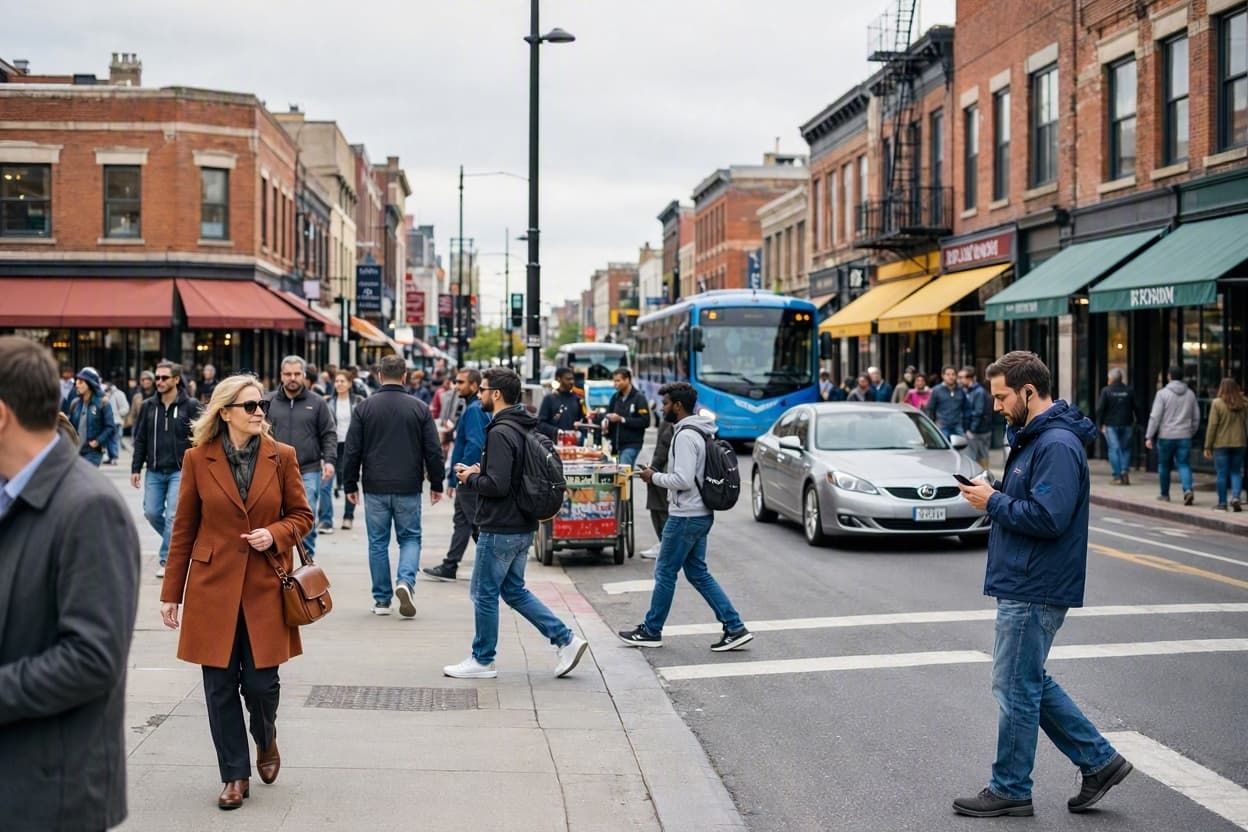
AI Image Disclaimer Images in this article are AI-generated illustrations, meant for concept only.
Source Check
BBC News Reuters Associated Press Al Jazeera The Guardian
Published by Banx Network. This article is part of the Banx decentralized media programme, powered by the BXE token on the XRP Ledger.