
Key Highlights
- Closure of the Strait of Hormuz raises global trade concerns.
- Significant delays reported in shipping activity due to regional tensions.
- Energy analysts warn of potential fluctuations in oil prices.
The world's economy often hinges on narrow maritime passages that, while appearing modest on a map, hold immense significance. The Strait of Hormuz, a slender corridor between the Persian Gulf and the Gulf of Oman, is one such passage—serving as a vital channel through which energy markets and global trade flow daily.
Recently, commercial shipping activity in the Strait of Hormuz has slowed significantly following Iranian authorities' announcement of the waterway's closure amid escalating regional tensions. This development has reignited concerns regarding energy supplies and the stability of international shipping routes, which are crucial for the global economy.
As one of the world's most critical maritime chokepoints, the Strait of Hormuz handles a substantial share of global oil and liquefied natural gas exports. Any disruption in traffic through this passage can swiftly influence international energy markets, leading to potential price hikes and supply chain uncertainties.
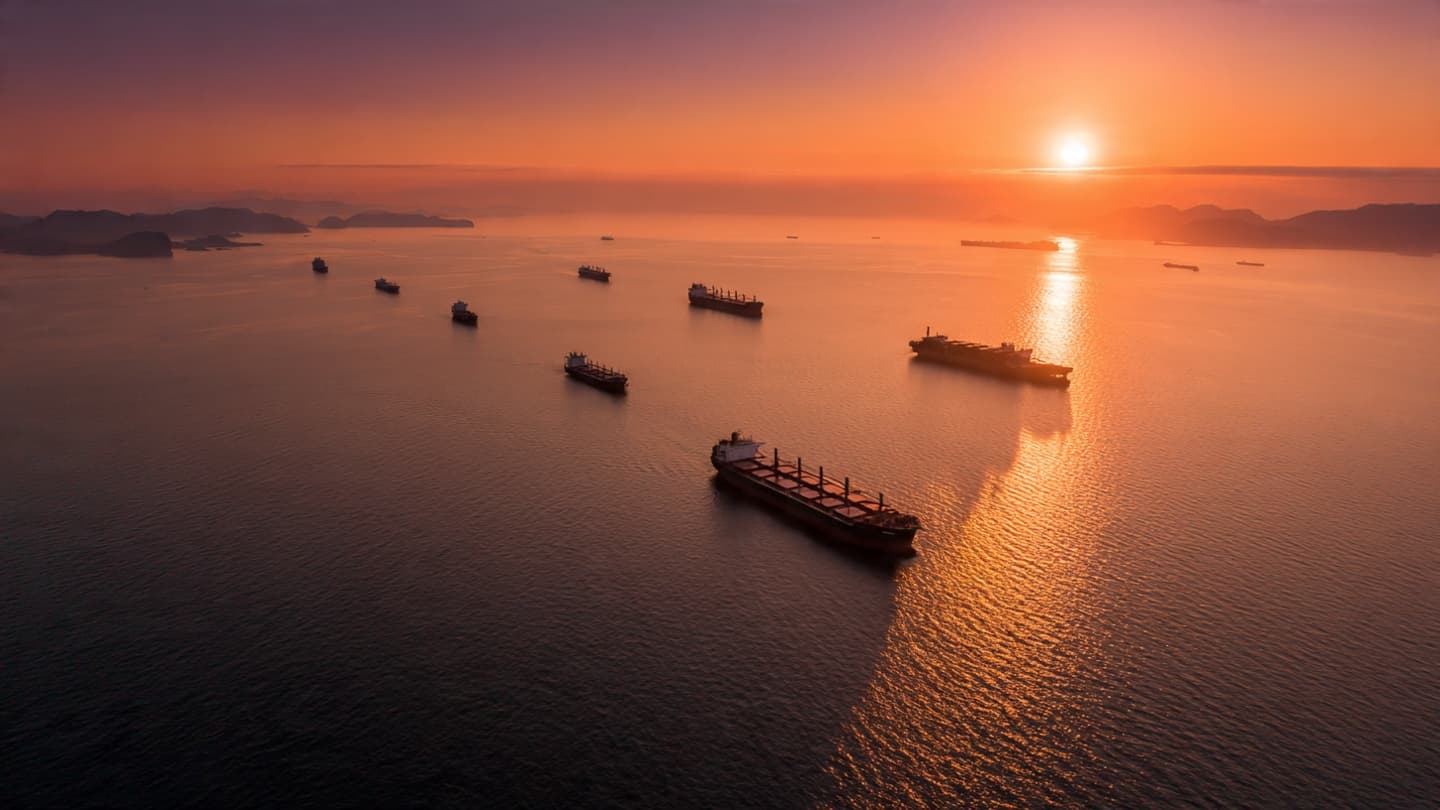
Shipping companies and maritime security organizations have reported delays and operational adjustments as vessel operators assess the evolving security conditions. Some shipping firms have altered their routes or temporarily paused transit through the area, reflecting the heightened caution among operators navigating these waters.
Energy analysts have noted that uncertainty surrounding the Strait of Hormuz has historically contributed to fluctuations in global oil prices. Traders closely monitor the situation, evaluating potential impacts on supply chains and market stability. The ripple effects of such disruptions can extend beyond immediate shipping delays, affecting broader economic conditions.
Governments and international maritime organizations are closely monitoring the situation. Several countries maintain naval assets in the region to help safeguard freedom of navigation and ensure the safety of commercial shipping. This military presence underscores the strategic importance of the waterway to global commerce and the lengths to which nations will go to protect their economic interests.
Regional tensions have periodically affected maritime operations in the Persian Gulf over the past decade, highlighting the ongoing volatility in this critical area. Economists caution that prolonged disruptions could lead to increased shipping costs, higher insurance premiums, and significant impacts on energy markets. However, the ultimate impact will depend on the duration and extent of the interruption.
As diplomatic and security developments continue to unfold, global markets remain focused on whether normal shipping patterns through the Strait of Hormuz can be restored. The outcome of this situation will be pivotal for the future of global trade and energy supply stability.
Published by Banx Network. This article is part of the Banx decentralized media programme, powered by the BXE token on the XRP Ledger.



