

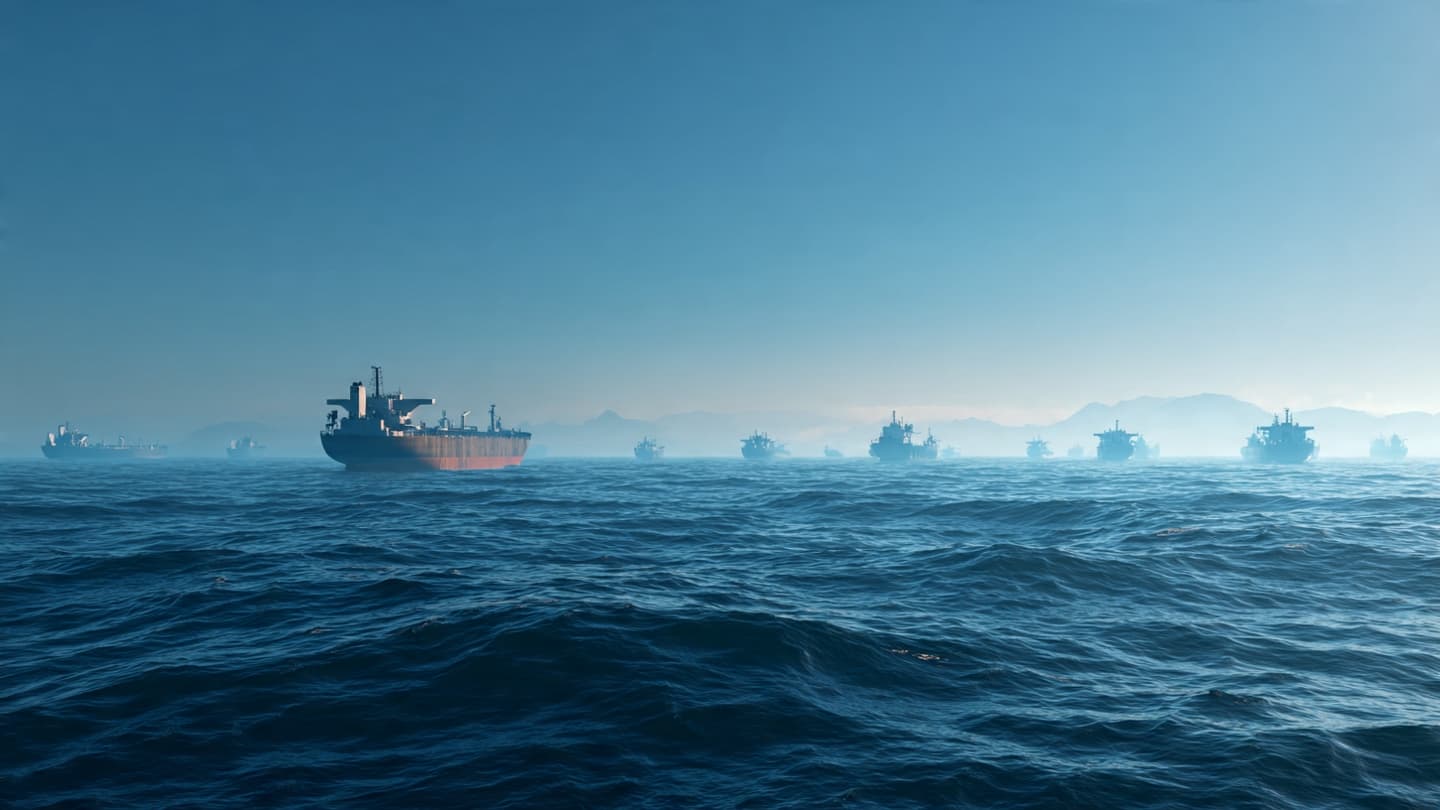
Key Highlights
- Strategic Importance:The Strait of Hormuz is a critical shipping lane for global oil and gas exports.
- Market Volatility:Geopolitical tensions have led to fluctuations in oil prices and market reactions.
- Supply Chain Diversification:Nations are working to reduce reliance on this key waterway.
The Strait of Hormuz, a narrow waterway situated between the Persian Gulf and the Gulf of Oman, plays a pivotal role in the global economy. This strategic corridor is responsible for the transit of a significant portion of the world's oil and liquefied natural gas exports, making its stability essential for international trade and energy security.
In recent months, geopolitical tensions in the Middle East have heightened concerns among energy traders, shipping companies, and governments regarding potential disruptions to this vital shipping lane. While commercial traffic has largely remained uninterrupted, the uncertainty surrounding the region has contributed to increased market volatility, prompting stakeholders to closely monitor developments.
Oil prices have seen periodic fluctuations as investors react to news and events in the region. Analysts emphasize that even the mere perception of risk in the Strait of Hormuz can have far-reaching effects on commodity markets, insurance rates, and shipping operations globally. This interconnectedness of modern energy markets means that any disruption, however brief, can create ripple effects across various sectors, including manufacturing and transportation.
In response to these challenges, energy-importing nations, particularly those in Asia and Europe, have intensified efforts to diversify their supply chains and bolster strategic reserves. These proactive measures aim to mitigate vulnerability to potential disruptions in the Strait of Hormuz, ensuring a more resilient energy supply.
Shipping firms are also taking precautionary steps by reviewing navigation procedures and contingency plans to maintain the flow of cargo through the strait. Maritime security agencies have ramped up monitoring activities in the surrounding waters to safeguard against any threats that could impact shipping operations.
Despite the ongoing geopolitical tensions, experts caution against overestimating the impact of short-term disruptions. The global energy market has developed various mechanisms, including strategic stockpiles and alternative supply networks, designed to cushion against temporary shocks. This resilience allows markets to adapt and recover more swiftly from interruptions.
As of now, commercial activity through the Strait of Hormuz continues, but market participants remain vigilant as geopolitical developments unfold. The situation underscores the critical importance of this narrow waterway in sustaining global energy supplies and the broader implications for international trade.
Published by Banx Network. This article is part of the Banx decentralized media programme, powered by the BXE token on the XRP Ledger.




