
Key Highlights
- Geopolitical Significance:The Strait of Hormuz is a vital maritime corridor for global oil shipments.
- Rising Tensions:Recent conflicts involving Iran, the U.S., and Israel have heightened concerns over maritime security.
- Economic Impact:Disruptions in the strait can lead to increased oil prices and global economic instability.
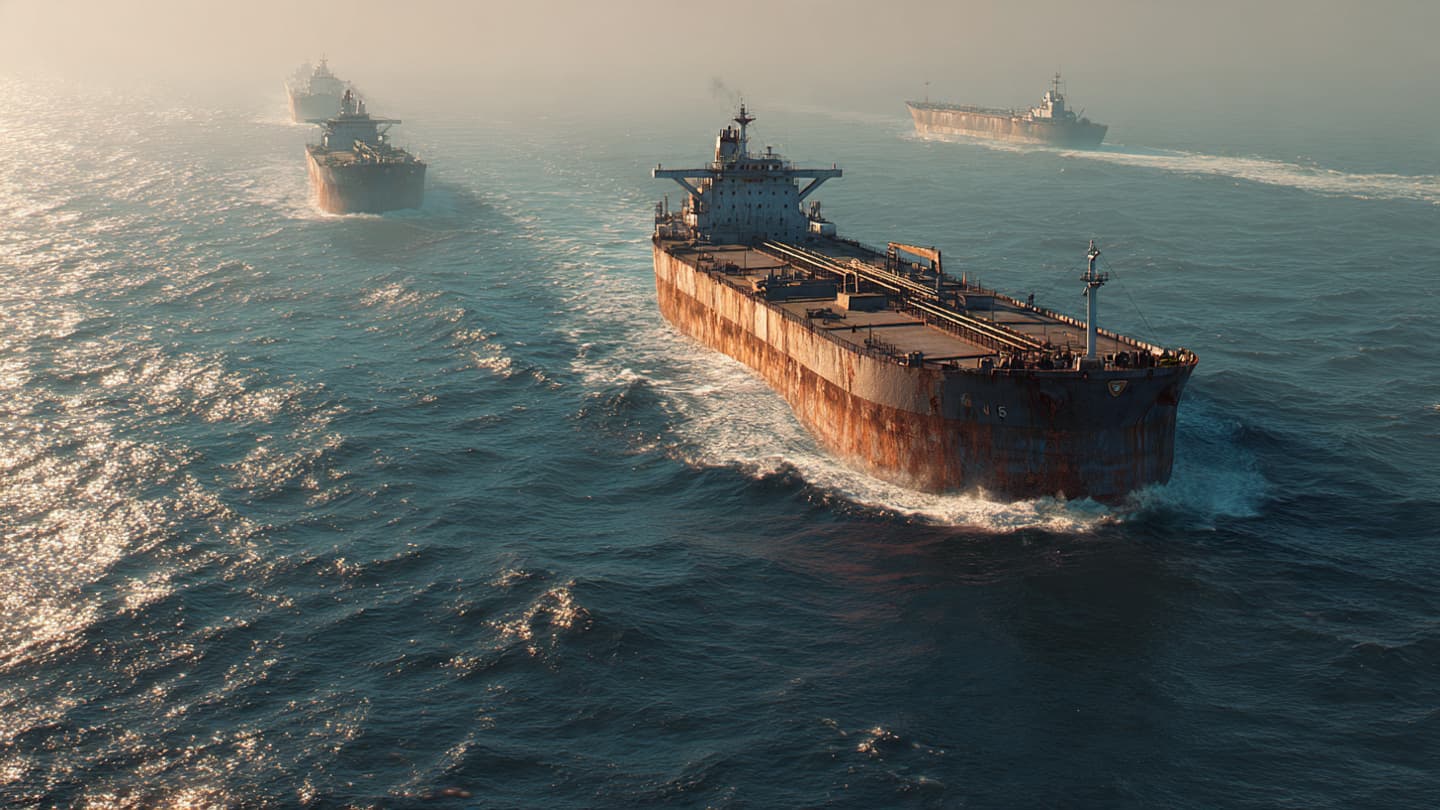
The Strait of Hormuz, a narrow waterway in the Persian Gulf, has long been a focal point of geopolitical tension, serving as a critical passage for oil shipments that fuel the global economy. As the region faces escalating conflicts involving Iran, the United States, and Israel, the strait has transformed from a mere trade route into a potent symbol of geopolitical leverage. This shift underscores the fragility of the global economy, particularly during periods of heightened military and diplomatic strife.
Iran has strategically positioned the Strait of Hormuz as a key asset in its geopolitical arsenal. The strait is responsible for transporting a significant portion of the world's oil, making it a critical chokepoint. Any disruption in this passage can send shockwaves through global energy markets, leading to immediate price increases and economic repercussions worldwide. Iranian officials have made it clear that they view the strait as both an economic lifeline and a deterrent against military aggression, often signaling their capability to influence shipping traffic in the region.
The recent instability linked to the U.S.-Israeli conflict with Iran has already begun to affect global fuel markets. Concerns over maritime security have led to rising oil prices, as countries dependent on Gulf energy supplies grapple with the potential for reduced shipping flows. Analysts warn that even minor disruptions, such as military exercises or perceived threats from Iran, can escalate tensions and lead to increased shipping costs, further straining international supply chains.
For neighboring Gulf nations, the situation has intensified fears of regional instability undermining economic development. Many of these countries have invested heavily in sectors like tourism, infrastructure, and international finance, all of which rely on stable trade routes and investor confidence. The potential for conflict in the Strait of Hormuz poses a significant risk to these investments, prompting governments to reassess their economic strategies in light of the evolving geopolitical landscape.
Western governments are acutely aware of the strategic importance of the Strait of Hormuz and have ramped up naval patrols and diplomatic efforts to ensure maritime security. Increased coordination among international allies aims to deter potential threats and maintain the flow of oil through this vital corridor. The interconnected nature of the global economy means that a conflict in this region can have far-reaching effects, influencing inflation, transportation costs, and consumer prices across the globe.
As international efforts to reduce tensions continue, the strategic value of the Strait of Hormuz remains a focal point for policymakers. The ongoing military preparedness reflects a commitment to preventing further disruptions in one of the world's most economically significant maritime routes. The situation in the Strait of Hormuz serves as a reminder of the delicate balance of power in the region and the broader implications for global economic stability.
Published by Banx Network. This article is part of the Banx decentralized media programme, powered by the BXE token on the XRP Ledger.



