
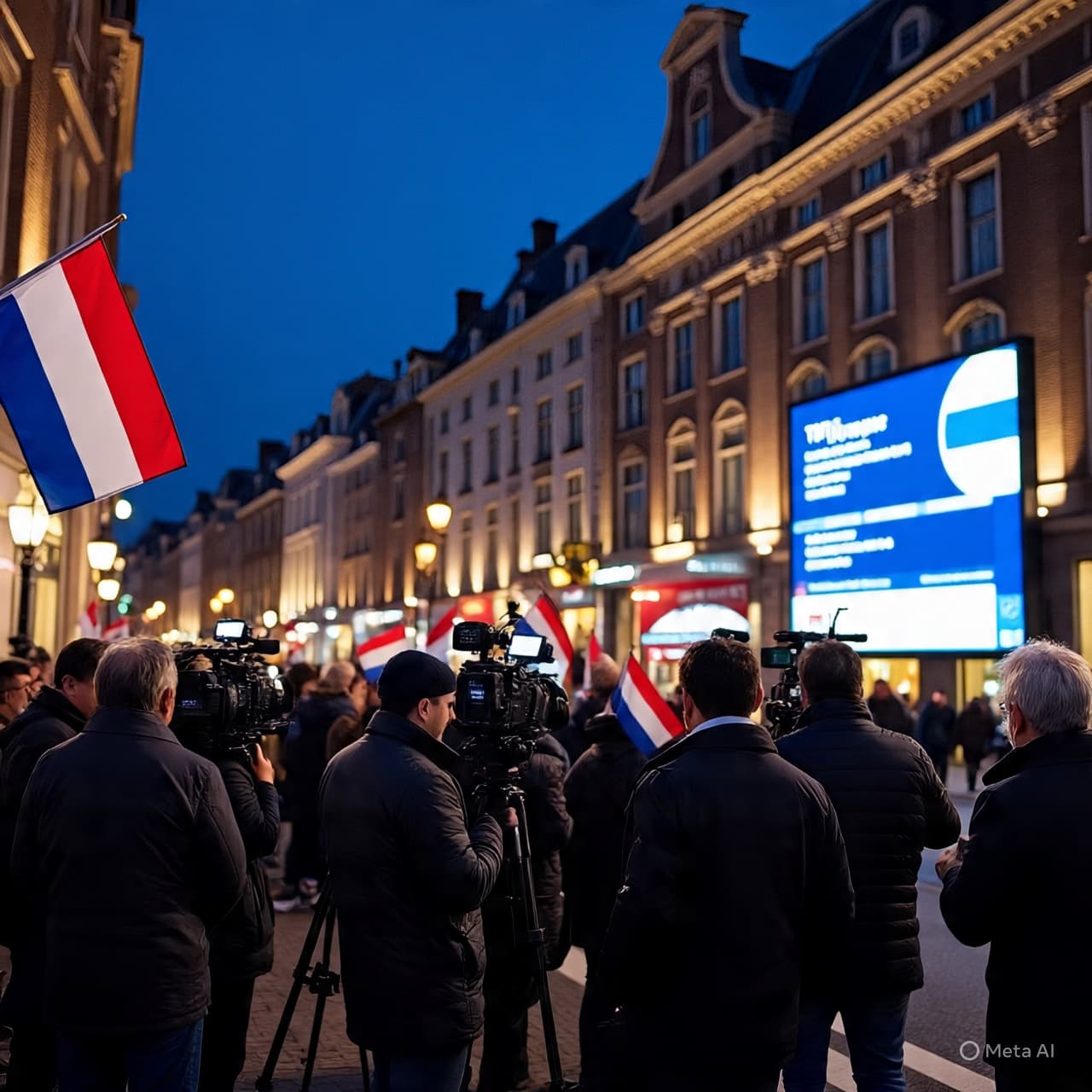
In the pale light of dawn after a long campaign, the Netherlands found itself at a crossroads. A nation accustomed to coalition-making awoke to results that felt less like upheaval and more like a quiet course-correction: the far-right ferocity that had appeared to be gathering momentum met a subtle but firm boundary. The ballots cast on Wednesday whispered a message: in a fragmented landscape, the centre still holds sway.
The body of the story lies in the numbers and the nuance. The centrist Democrats 66, led by Rob Jetten, made dramatic gains, nearly tripling their seats and emerging as a key player. Meanwhile, the far-right Party for Freedom, helmed by Geert Wilders, suffered losses, although it remains a major force with a tied seat count at 26 in the 150-seat lower house. The result is a nail-biter: both D66 and PVV are projected to lead with 26 seats, a rare dead-heat in Dutch politics.
What does this tell us? First, that the electorate appears to have paused before giving unfettered strength to the populist wave. The PVV, though still large, lost ground—suggesting voters may be wary of its aggressive posture on immigration, the EU and social policy. Second, the centre felt energized—D66’s campaign, anchored in optimism and change, drew voters who may be seeking steadiness amid global turbulence. The fact that mainstream parties broadly ruled out coalitions with the PVV underlines the political costs attached to far-right alignment.
However, the picture is far from settled. The Dutch political stage remains fragmented: 27 parties contesting seats, no simple majority in sight, and the technical challenge of building a coalition looms large. Even though D66 may emerge as the lead negotiator, the path to a functioning government will require allies and compromise. Meanwhile, the far-right does not disappear—it remains potent, and the loss of momentum may prompt it to refine strategy, not retreat entirely.
The stakes go beyond the Netherlands. In an era where many Western democracies wrestle with populism, immigration and polarisation, this election serves as a reference point. A blow to the far-right in one of Europe’s stable democracies signals that the message of moderation still finds purchase. At the same time, the close result shows how fragile that balance remains.
Published by Banx Network. This article is part of the Banx decentralized media programme, powered by the BXE token on the XRP Ledger.



.jpg&w=3840&q=75 "Zelensky Warns China Is Helping Russia Develop a Starlink Rival")