
Key Highlights
- The Strait of Hormuz is crucial for global oil and gas shipments.
- Donald Trump has urged NATO allies to enhance security in the region.
- European governments are weighing their military contributions amid rising tensions.
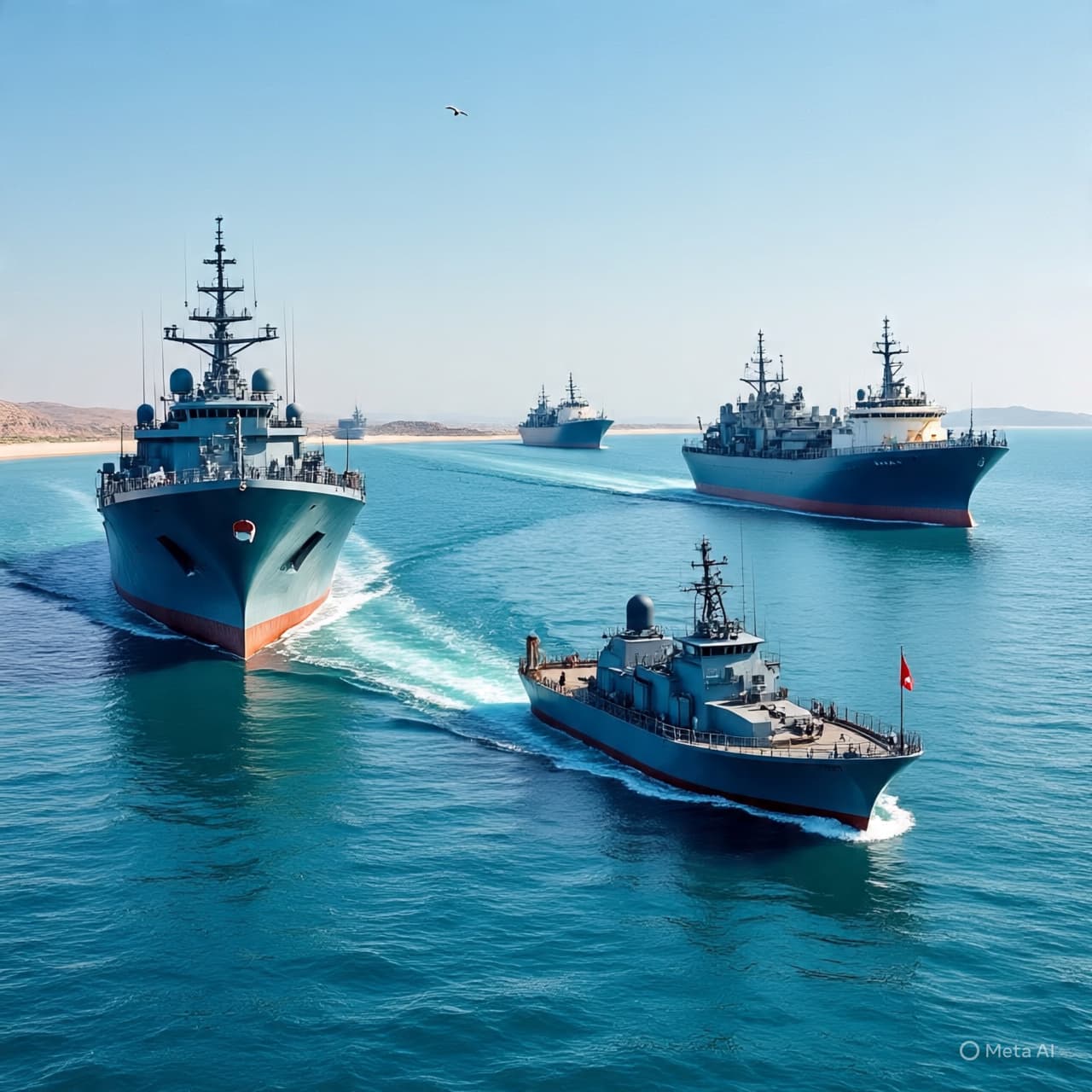
The Strait of Hormuz, a narrow yet vital waterway between Oman and Iran, plays a critical role in the global economy. This passage is not just a geographical feature; it is a lifeline for energy supplies, with a significant portion of the world's oil and liquefied natural gas passing through its waters daily. The strait's importance is underscored by its strategic position, where the flow of maritime traffic reflects the pulse of international commerce.
In recent discussions, former U.S. President Donald Trump emphasized the need for NATO allies to take a more active role in safeguarding this crucial corridor. His comments came amid escalating tensions in the region, where the security of shipping routes has become a pressing concern. Trump warned that NATO could face a "very bad future" if member nations do not contribute to the protection of the Strait of Hormuz, suggesting that those who benefit from the energy flow should also bear the responsibility for its security.
This call to action has sparked a broader debate about the distribution of responsibilities among NATO allies, particularly those whose economies are heavily reliant on the uninterrupted flow of energy through the strait. Each day, tankers navigate these waters, transporting crude oil and natural gas to markets across Asia, Europe, and beyond. The stability of this maritime route is often taken for granted, but any disruption can have immediate and far-reaching consequences for global energy markets.
As discussions unfold in European capitals, officials are carefully considering how to balance the need for maritime security with the potential diplomatic ramifications of increased military presence in the region. The delicate interplay between deterrence and de-escalation is a central theme in these deliberations, especially in a region where international interests are closely intertwined.
In the United Kingdom, for instance, officials are exploring various options to enhance maritime safety without significantly escalating naval deployments. Potential measures include the use of advanced mine-clearing technologies and surveillance systems aimed at ensuring that shipping lanes remain navigable while maintaining a low-profile military presence.
The implications of these developments extend beyond military strategy; they resonate deeply within global energy markets. Even the mere suggestion of potential disruptions in the Strait of Hormuz can lead to fluctuations in oil prices, highlighting the interconnectedness of global economies and the critical nature of maritime security. The strait, while geographically small, wields considerable influence over international trade and energy stability.
At the core of this discussion is a well-established principle in international relations: shared dependence often necessitates shared responsibility. For nations whose economies are intertwined with energy transportation through the Gulf, ensuring safe passage is not just a regional issue but a fundamental aspect of global economic continuity.
As NATO allies continue their consultations, the outcome remains uncertain. No unified decision has been reached regarding additional multinational security measures in the Strait of Hormuz. The coming weeks will likely reveal how nations choose to respond to the call for enhanced security, as the narrow waters of the strait serve as a poignant reminder of the intricate links between global security and prosperity.
Published by Banx Network. This article is part of the Banx decentralized media programme, powered by the BXE token on the XRP Ledger.



