

Key Highlights
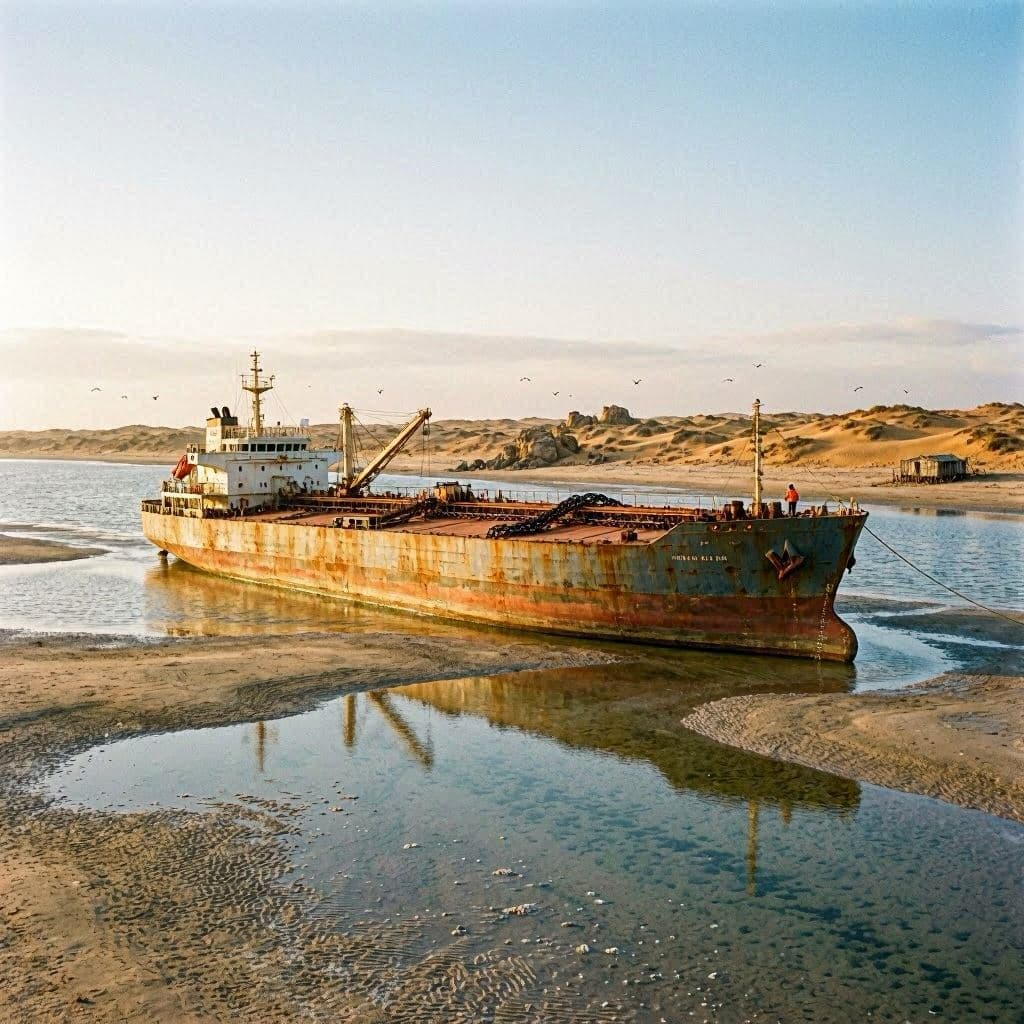
- Incident:A commercial tanker grounded in the Strait of Hormuz, prompting rescue operations.
- Iran's Stance: Tehran asserts its right to monitor maritime traffic, citing the incident as a justification for increased naval presence.
- Global Impact:The grounding raises concerns about the fragility of oil supply chains and regional stability.
The recent grounding of a commercial tanker in the Strait of Hormuz has reignited discussions about maritime security and sovereignty in one of the world's most critical waterways. Iran has long positioned itself as a guardian of this vital passage, asserting its right to monitor and control traffic through these waters. The incident has provided Tehran with an opportunity to emphasize the importance of strict adherence to maritime regulations under its supervision, framing the situation as a necessity for regional safety.
Reports indicate that the tanker encountered technical difficulties or navigational challenges while navigating the shallow waters near the Iranian coast. Local authorities quickly launched rescue operations to refloat the vessel and ensure the safety of the crew. Fortunately, no major oil spill has been reported, but the potential for environmental damage remains a significant concern for neighboring countries. This incident underscores the inherent risks associated with transporting large quantities of fuel through such a confined and busy passage.
For the international community, the grounding serves as a stark reminder of the fragility of global supply chains. Any disruption in the Strait of Hormuz can send shockwaves through oil markets, affecting prices and economic stability worldwide. Although this grounding appears to be an isolated accident, it highlights the vulnerability of maritime routes to both human error and political maneuvering. The world watches closely, aware that stability in this region is never guaranteed.
Iran's response has been assertive, using the incident to justify its increased naval presence and monitoring capabilities. Officials have argued that without their oversight, such accidents could lead to greater catastrophes, framing their control as a service to regional safety. This narrative, however, is contested by Western nations and Gulf allies, who advocate for freedom of navigation and adherence to international maritime law. The differing perspectives contribute to ongoing diplomatic friction in the region.
As investigations into the grounding proceed, the crew of the ship faces uncertainty regarding liability, insurance, and the cause of the incident. For the sailors involved, this experience serves as a stark reminder of the pressures they encounter in one of the world's most sensitive maritime zones. Their safety remains paramount, and international protocols are being followed to ensure their well-being during the resolution process.
As efforts to refloat the vessel continue, the broader implications of this incident linger. It may lead to temporary delays in shipping schedules, prompting companies to reassess their routes and risk management strategies. Additionally, the incident invites renewed dialogue on enhancing safety and cooperation in the Strait of Hormuz. While tensions remain high, the shared interest in keeping this crucial waterway open offers a sliver of common ground among stakeholders.
Ultimately, the grounding of the tanker in the Strait of Hormuz is a small event with significant repercussions. It reflects the complex interplay of nature, technology, and politics that defines this critical region. As the vessel is eventually freed, the strait will return to its usual rhythm, but the underlying tensions will persist, waiting for the next tide to bring them to the surface.
Published by Banx Network. This article is part of the Banx decentralized media programme, powered by the BXE token on the XRP Ledger.




