
Key Highlights
- The Strait of Hormuz is a critical shipping corridor for global trade.
- Shipping operators are adjusting schedules to ensure cargo transport.
- Industry experts stress the importance of maritime stability for commerce.
The Strait of Hormuz, a narrow passage that connects the Persian Gulf to the Arabian Sea, plays a pivotal role in global commerce, particularly for energy products. Approximately 20% of the world's oil trade passes through this vital waterway, making it a focal point for shipping companies and international markets. Recent developments in the region have heightened the attention of businesses that rely on this corridor for their logistics operations.
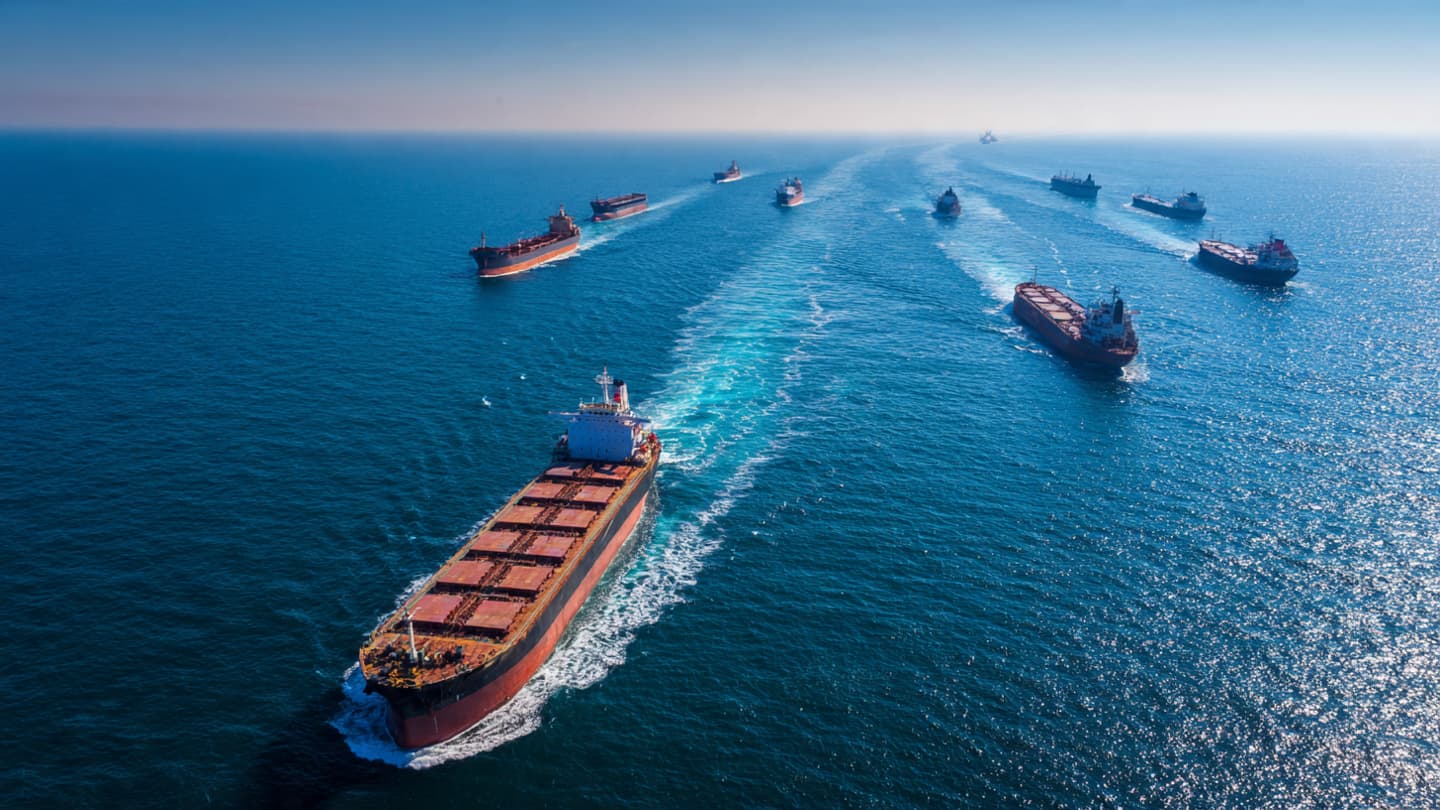
Shipping operators are actively monitoring vessel movements in the Strait of Hormuz, implementing safety procedures to mitigate risks associated with potential disruptions. These measures include adjusting shipping schedules and ensuring that vessels are equipped to handle any unforeseen circumstances. The ongoing geopolitical tensions in the region have prompted companies to remain vigilant, as any incident could significantly impact global oil prices and supply chains.
Insurance providers and logistics firms are also closely following developments in the Strait of Hormuz. The potential for disruptions in this key shipping lane has led to increased scrutiny of insurance policies and risk assessments. Companies are seeking flexible strategies to enhance their supply chain resilience, ensuring that they can adapt to changing conditions while maintaining the flow of goods.
Industry experts emphasize that reliable maritime transportation is essential for international commerce, particularly for energy products and manufactured goods. The Strait of Hormuz serves as a critical artery for these commodities, and any instability in the region could have far-reaching consequences for global markets. As such, businesses are investing in contingency plans to safeguard their operations against potential disruptions.
As maritime operations continue in the Strait of Hormuz, global trade participants remain focused on maintaining stability and efficient transportation. The collaboration between shipping companies, insurance providers, and logistics firms is crucial in navigating the complexities of this vital corridor. By working together, these stakeholders aim to ensure that the flow of goods remains uninterrupted, supporting the broader economy and international trade.
In conclusion, the Strait of Hormuz is not just a narrow passage; it is a critical component of the global trade network. The ongoing efforts by shipping operators and industry experts to adapt to changing conditions highlight the importance of this waterway in sustaining economic stability worldwide.
Published by Banx Network. This article is part of the Banx decentralized media programme, powered by the BXE token on the XRP Ledger.



