

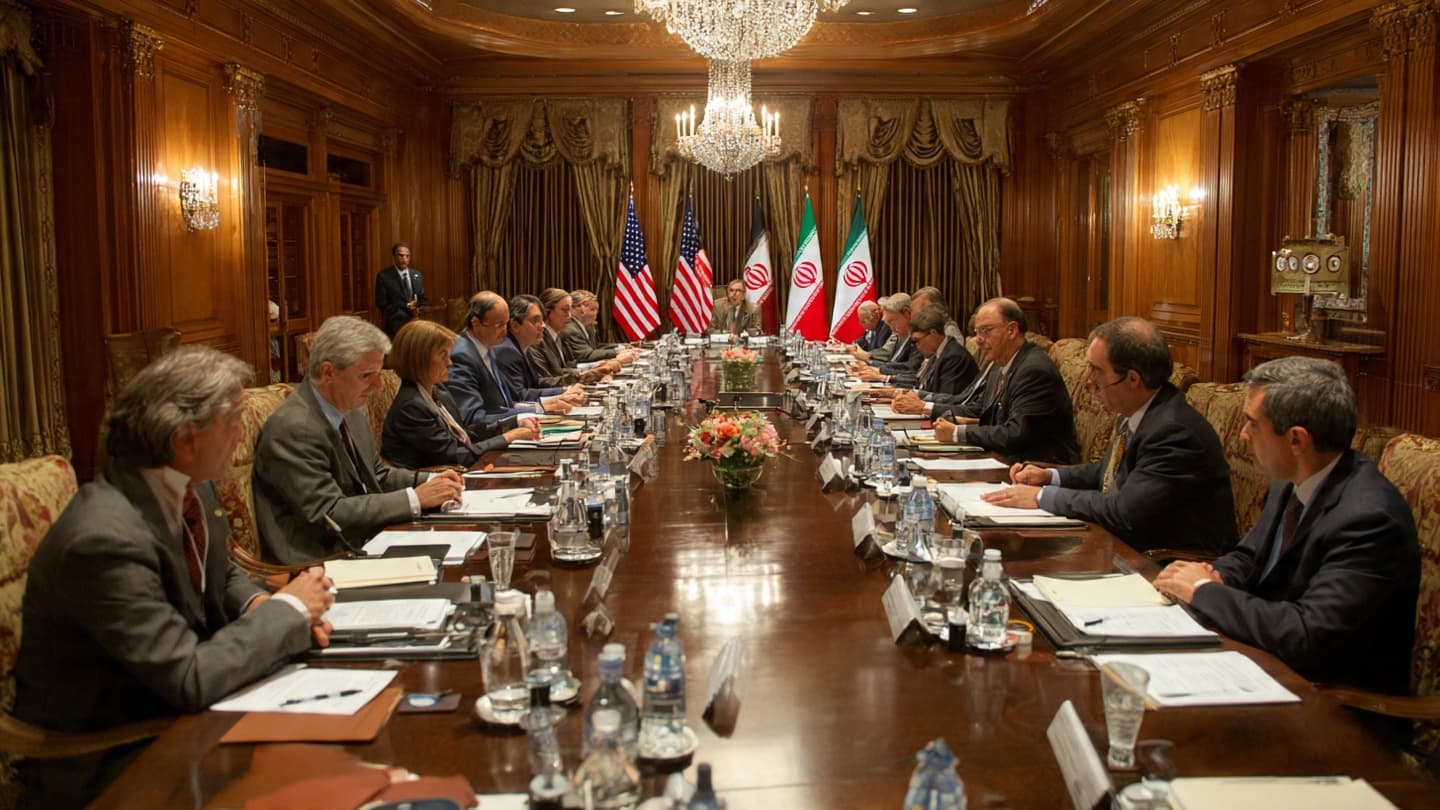
Key Highlights
- Recent reports indicate a potential agreement between the U.S. and Iran aimed at reducing regional tensions.
- The agreement is seen as a step toward improving diplomatic relations in the Middle East.
- Analysts emphasize the importance of sustained dialogue in addressing long-standing disputes.
[Diplomatic Developments]
Diplomacy rarely moves in straight lines. Progress is often measured not by dramatic breakthroughs but by gradual shifts that reduce tension and create space for dialogue. Recent reports regarding an agreement between the United States and Iran have drawn attention due to their potential implications for stability in the Middle East.
According to various reports, this agreement is being viewed by some officials and analysts as a possible step toward reducing regional friction. While the details continue to be examined, the development has prompted renewed discussion among governments and international observers about the future of U.S.-Iran relations.
Relations between the United States and Iran have experienced periods of tension for decades. Disagreements involving security, regional influence, economic sanctions, and nuclear policy have frequently shaped interactions between the two countries. The strategic importance of the Middle East means that developments involving Washington and Tehran often carry consequences beyond bilateral relations, affecting neighboring states, global markets, and international organizations.
Supporters of dialogue argue that sustained communication can help reduce misunderstandings and create opportunities for future negotiations. Even limited agreements are sometimes viewed as confidence-building measures that support broader diplomatic efforts. The reported understanding between the U.S. and Iran is seen as a potential catalyst for further discussions, which could lead to more comprehensive agreements in the future.
At the same time, analysts note that long-standing disputes are rarely resolved quickly. Significant differences remain across multiple policy areas, and future progress may depend on continued engagement and mutual commitments. The complexity of the issues at hand means that any agreement will require careful navigation and a willingness from both sides to compromise.
International reactions have generally focused on the possibility of lowering tensions. Governments across the region continue to assess how these diplomatic developments could influence security arrangements and political dynamics. The potential for a thaw in relations has sparked interest among allies and adversaries alike, with many watching closely to see how the situation unfolds.
Experts emphasize that diplomacy should be viewed as an ongoing process rather than a single event. Agreements often represent milestones within larger negotiations that evolve over time. The reported understanding between the United States and Iran serves as a reminder that dialogue remains an important tool in international relations. Whether it leads to broader progress remains to be seen, but it has already renewed attention on the role diplomacy can play in addressing complex regional challenges.
Published by Banx Network. This article is part of the Banx decentralized media programme, powered by the BXE token on the XRP Ledger.




