
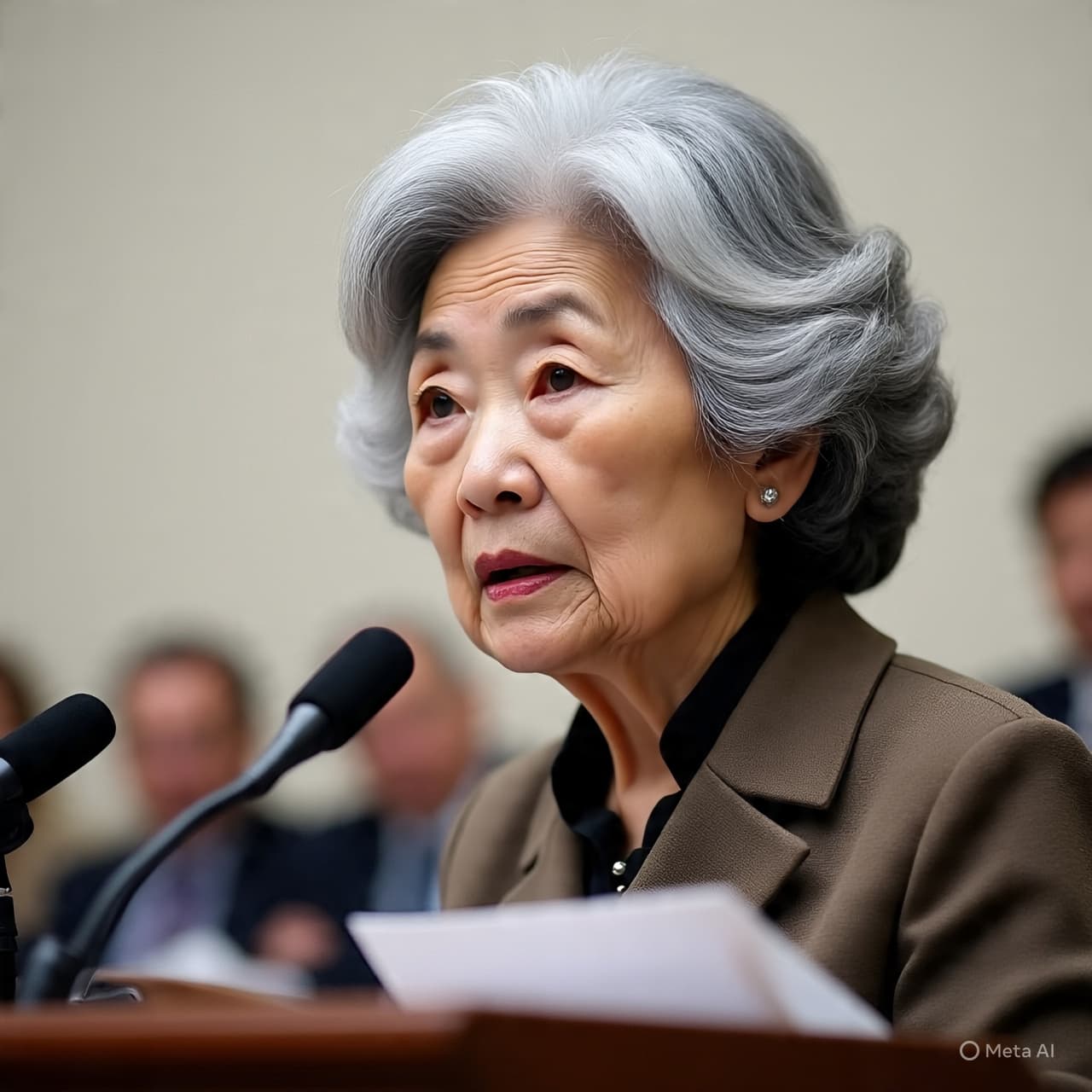
Grief has its own language. It does not always wait for laboratory results or official confirmations. For a mother, certainty can arrive long before documents are signed or reports are released. It can live quietly in intuition, in memory, in the unspoken understanding of what has been lost.
Following the latest findings indicating the presence of poison, the mother of said she had always believed her son was murdered. Her remarks, reported by international outlets including and , come after renewed forensic analysis that has intensified global attention on the circumstances surrounding his death.
Navalny, one of Russia’s most prominent opposition figures, had previously survived a poisoning in 2020 that Western laboratories concluded involved a nerve agent. His subsequent imprisonment and death drew widespread international reaction, including diplomatic statements and sanctions. The latest toxicology findings, while still subject to official verification processes, have revived debate about accountability and intent.
In her statement, Navalny’s mother spoke not in the language of geopolitics, but in that of personal conviction. For her, the confirmation of poison did not introduce a new narrative; it affirmed a belief she says she had held from the beginning. The distinction between suspicion and proof may carry legal significance, yet emotionally, she framed the findings as validation rather than revelation.
Media coverage from and highlights the broader implications of the toxicology report. Western governments have previously cited forensic evidence in assessing responsibility for earlier poisoning incidents. Russian authorities, for their part, have rejected accusations of state involvement. The latest developments are likely to further strain diplomatic relations already under pressure.
Analysts caution that while toxicology can identify substances present in the body, it does not alone establish the full chain of events or legal culpability. Investigative bodies typically require corroborating evidence, witness accounts, and procedural transparency. Nonetheless, the presence of poison inevitably sharpens questions.
Beyond the official processes lies a more intimate reality. For families of political figures whose lives end under disputed circumstances, public debate often intersects painfully with private mourning. Each new report becomes both evidence and reminder.
As of now, international calls for an independent investigation remain in place, according to reporting by . Diplomatic discussions are expected to continue, with further statements possible in the coming days.
The official findings will proceed through established channels. Governments and institutions will respond within their respective frameworks. Meanwhile, a mother’s voice — steady in its conviction — has added a personal dimension to a case already heavy with political consequence.
AI Image Disclaimer Visuals are created with AI tools and are not real photographs.
SOURCE CHECK
Credible mainstream and investigative sources covering developments related to Alexei Navalny’s death and family statements include:
Reuters
BBC News
The Guardian
The Associated Press
The New York Times
Published by Banx Network. This article is part of the Banx decentralized media programme, powered by the BXE token on the XRP Ledger.


